

The approval is based on results from MannKind's phase 3 INHALE-1 clinical trial.
The approval is based on results from MannKind's phase 3 INHALE-1 clinical trial.

Data over 17 years from a new analysis contrast prior research in this area, but remain promising on the use of intravenous immunoglobulin in this hematologic cancer.

Mental Health Awareness Month puts a spotlight on the prevalence of mental illness throughout the country, as well as reduces the stigma surrounding it.

Durvalumab plus BCG also marks the first new treatment in more than 30 years for high-risk non–muscle-invasive bladder cancer.

Coverage of our peer-reviewed research and news reporting in the health care and mainstream press.

Meta-analysis finds alopecia areata links to lower melanoma odds and no added skin cancer risk despite ultraviolet-exposed scalp, informing Janus kinase inhibitor safety.

Mezigdomide, a powerful CELMoD, doubles PFS in relapsed or refractory multiple myeloma, offering hope when IMiDs stop working.

Study finds endometriosis severity plateaus after 30, but surgery risk and complexity climb in older women as fibrosis and adhesions build.

Phenotype-based care improves childhood obesity diagnosis and treatment, including obesity types, hypothalamic obesity, drugs, and surgery.

A population study finds familial melanoma gene variants are more common than thought, linking them to a higher risk of multiple cancers beyond melanoma.

A survey of health care and life sciences executives found that the top challenges in the sectors included policy uncertainty and declining reimbursement rates.

The scoping review shows menopause and multiple sclerosis (MS) shift from fewer relapses to higher symptom burden, highlighting care gaps for older women with MS.

ASCO 2026 spotlights practice-changing cancer data: PROTEUS in prostate cancer, RAS(ON) inhibitor daraxonrasib, new bispecifics, and GLP-1 signals.

New data highlight pevifoscorvir’s potent antiviral activity and sustained hepatitis B antigen suppression lasting up to 96 weeks after treatment.

Phase 3 THRIVE-AA2 data show deuruxolitinib in alopecia areata boosts hair regrowth and satisfaction in severe AA, with manageable safety, vs placebo.

Full results from the pivotal B-Well 1 and B-Well 2 phase 3 trials confirm that bepirovirsen delivers statistically significant functional cure rates in chronic hepatitis B.

Two posters presented at the EASL Congress 2026 highlight promising clinical and preclinical findings for AHB-137.

Despite high US health care spending, data show lower life expectancy, worse maternal mortality, and too few primary care doctors.

ACS updated CRC screening guidelines, adding blood-based and stool tests to expand screening access and improve early detection.


Medicare FFS beneficiaries with metastatic cancer received broad genomic profiling more often than MA patients.

The Ugandan MInistry of Health closed their border with the DRC in response to the rise in Bundibugyo cases and deaths.

Data from the STEPIn trial shows early intervention for plaque psoriasis with secukinumab delivers durable disease control, with some staying clear up to a year post treatment.

The American Thoracic Society 2026 International Conference included sessions that focused on topics such as pulmonary rehabilitation and global disparities in thoracic care.

A turbulent regulatory environment is forcing covered entities to rethink how they manage 340B compliance.

ASCO highlights MorningSun results: subcutaneous mosunetuzumab offers a chemotherapy-free option for elderly patients with DLBCL, improving quality of life beyond R-CHOP.
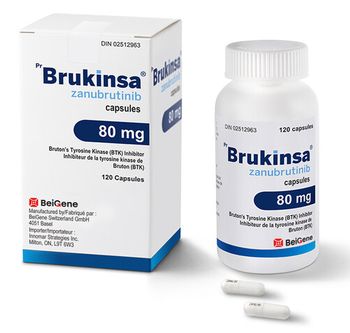
Analyses to be presented at ASCO show zanubrutinib offers improved survival benefits and longer time to the next treatment over another BTK inhibitor in 2 common indications.

Claims data linked eviction protection rollbacks to higher psychotropic prescription and SMI visits, revealing housing security’s mental health toll.

Psoriasis and macrophage research spotlights M1/M2 imbalance, interleukin therapies, and single-cell insights pointing to new precision targets.

New evidence links alopecia areata and atopic dermatitis overlap, revealing eczema-like immune signatures and dual-use JAK/OX40 therapies to watch.