
The move comes more than 10 months after the state's governor first called for selling non-compliant plans.
The move comes more than 10 months after the state's governor first called for selling non-compliant plans.

Calcaneal quantitative ultrasound (QUS) has comparable diagnostic accuracy as dual-energy x-ray absorptiometry (DXA), the gold standard for diagnosing osteoporosis. Although it cannot replace DXA for diagnosing osteoporosis, it can be used as an effective prescreening tool prior to a DXA scan, researchers said it a recent study comparing the performance of the 2 screening methods.

Avoid the allergen. For decades, that was the only advice for people with life threatening food allergies. While that is still true, the food allergy community is cautiously, but excitedly, watching research unfold that could help patients tolerate more of the allergen that might otherwise have serious or deadly consequences.
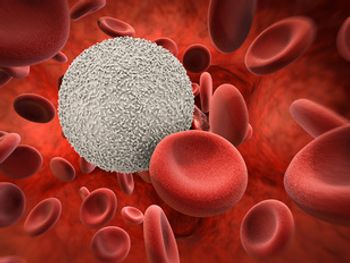
Cytarabine, aclarubicin, and granulocyte colony-stimulating factor (CAG) generates a positive effect for patients with acute myeloid leukemia (AML) by decreasing the number of immunosuppressive cell types and their associated cytokines, while also downregulating SDF-1α levels
The report, more than a year in the making, comes at the start of Diabetes Awareness Month.

November marks Lung Cancer Awareness Month, which seeks to put a spotlight on the leading cause of cancer death. Here are 5 things to know about the disease.

PZ-2891 is a new and unique therapeutic agent that has shown to be able to penetrate the blood-brain barrier and increase coenzyme A levels in mice, leading to increased weight, longer life span, as well as improving locomotor activity, based on results from a study by Sharma et al.

A new study offers insights into ways to improve breast cancer screening with a new understanding of how genetic risk variants affect disease progression and mode of detection. The study found that the presence of certain rare mutations was indicative of increased risk from interval breast cancers and death.

The current environment for healthcare value assessment seems to mirror American politics: a rush to the extreme at a time when collaboration in the sensible middle is most needed.

The mixture of flavorants and propylene glycol (PG) in electronic cigarettes (e-cigs) leads to the formation of acetals that have been shown to activate irritation receptors, predisposing users to the same potential dangers as using traditional cigarettes, a new study said.

Researchers recently studied the adverse outcomes of symptomatic and asymptomatic nonobstructed individuals and those with mild chronic obstructive pulmonary disease (COPD) longitudinally, and found that the presence of respiratory symptoms in nonobstructed individuals was a predictor of mortality, lung function decline, and exacerbations.

Using antibodies from llamas, scientists reported that they have made a huge step forward in creating a universal flu vaccine; under a draft proposal in Secretary of State Mike Pompeo’s office, US diplomats could be prohibited from using the phrases “sexual and reproductive health” and “comprehensive sexuality education"; the Department of Veterans Affairs’ (VA) 5-star rating scale for its hospitals is a mystery to former officials at the agency and experts in healthcare metrics.

A review published in the International Journal of Molecular Sciences highlights existing knowledge gaps in understanding the safety and impact of tumor necrosis factor (TNF) α inhibitors in pregnant women suffering from inflammatory conditions such as psoriasis and rhaumatoid arthritis.

While survival from leukemia improved among adults from 1995 to 2009, and the survival gap between sexes decreased, the racial gap did not, according to new research published in Cancer.

Coverage of our peer-reviewed research and news reporting in the healthcare and mainstream press.

This week, the top managed care news included a proposal to allow Medicare to pay the same prices for certain drugs as what other countries pay; President Donald Trump signed a law to fight the opioid crisis; an FDA advisory panel voted narrowly to retain a 10-year-old guidance for safety trials for diabetes drugs.

CMS said it responded to complaints about its 2019 Medicare Physician Fee Schedule (PFS)—which it finalized today—and will not collapse 5 billing codes down to 2, which had drawn an outcry from some medical associations that their care for complex patients would be shortchanged.

Earlier this week, the FDA approved pembrolizumab (Keytruda) in combination with carboplatin and either paclitaxel or nab-paclitaxel for the first-line treatment of patients with metastatic squamous non-small cell lung cancer (NSCLC).

Recognizing a need for an outcome indicator for those newly diagnosed with HIV, researchers have proposed including the percentage of newly diagnosed persons achieving viral suppression within 3 months of diagnosis.

New guidelines released by the American Academy of Dermatology will help physicians provide the best treatment for more than 1 million Americans living with melanoma, the deadliest form of skin cancer. The guidelines also highlight the importance of discussions between physicians and patients.

Following indications of an association between migraine and attention deficit and hyperactivity disorder (ADHD) in children and adolescents, a new study has demonstrated a significant comorbidity of the 2 conditions in adults.

Open enrollment for the sixth season under the Affordable Care Act (ACA) begins today and lasts until December 15, and organizations like The Commonwealth Fund are highlighting resources to alert consumers to the differences between the various health insurance plans now available on the individual marketplaces.
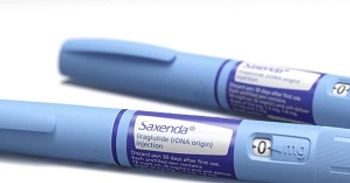
The label change includes data from the LEADER trial, which showed that the same active ingredient, liraglutide, reduced major cardiovascular events when given at a lower dose.
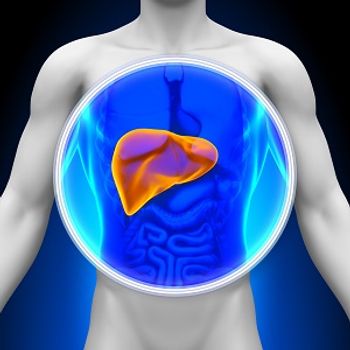
Gene-edited glypican-3 (GPC3)-targeted chimeric antigen receptor (CAR) T cells with deficient programmed death–1 have greater cytotoxicity compared with wild-type GPC3-targeted T cells in GPC3-positive hepatocellular carcinoma, based on results from a recent study.

An angiotensin II receptor blocker that is used to treat high blood pressure has been recalled due to a contamination that carries a potential cancer risk; with insurance companies considering precision medicine experimental, the high cost of a promising area of medicine may be out of reach for patients; instead of using a local pharmacy, employees of the state of Utah could be paid to go to Mexico to fill their prescriptions.

New research presented at the 2018 American College of Rheumatology/Association of Rheumatology Health Professionals Annual Meeting, in Chicago, Illinois, reported on progress over the past 20 years in the care of pregnant women with systemic lupus erythepatosus (SLE) that has led to a decline in maternal mortality and intrauterine fetal death among patients with SLE.

Here are 5 interesting findings from the October 2018 issue of AJMC®.

Over the past several decades, the number of patients who survive head and neck cancer (HNC) has increased; among the more than 15 million cancer survivors in the United States, approximately 430,000 (3%) are survivors of HNC. These survivors may face persistent and late effects of their diagnosis and treatment that increase psychological morbidity, including suicidal ideation.

Here are the top 5 articles for the month of October.
The analysis comes amid a debate set off when CVS Caremark announced that it would allow self-funded insurers to exclude drugs that entered the market above $100,000 per quality-adjusted life year.