
The use of CTLA-4, PD-1, or a combination approach achieved high response rates and improved overall survival in patients with CDKN2A mutations with metastatic melanoma, based on the results of a study by Helgadottir et al.
The use of CTLA-4, PD-1, or a combination approach achieved high response rates and improved overall survival in patients with CDKN2A mutations with metastatic melanoma, based on the results of a study by Helgadottir et al.

The Commonwealth Fund, together with The New York Times and the Harvard T.H. Chan School of Public Health, has published a new paper on the experiences of Americans with serious illnesses. The found that the healthcare system adds to patients’ burden of illness, and paying for care can be financially challenging or even ruinous for millions of patients.

Healthcare was a key factor in the 2018 midterm elections and gave Democrats the ability to stop the Trump administration’s efforts to repeal the Affordable Care Act and make some other changes to Medicare and Medicaid, but did not produce enough of a victory to advance major changes; voters in 2 states rejected 2 separate union-backed ballot measures that would have affected dialysis clinics and hospitals; in California, Governor-elect Gavin Newsom campaigned on a platform of single-payer health insurance overhaul, but now that he’s won, he and the Democratic-controlled legislature will take a slower approach.
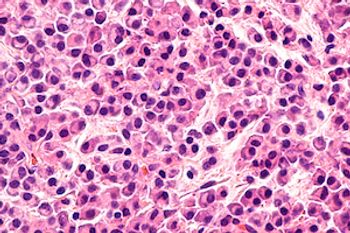
Daratumumab, a human CD38-directed monoclonal antibody, has been confirmed as safe in a population of heavily pretreated patients with multiple myeloma who received access to the treatment before the medication was commercially available, according to an early access treatment protocol study published in Cancer.

Children and adolescents with acute lymphoblastic leukemia (ALL) face an increased risk of obesity and growth impairment from the disease and during ALL treatment, regardless of exposure to cranial irradiation, according to a recent study.

Massachusetts General Hospital (MGH) is using artificial intelligence (AI) to process screening mammographies after a retrospective study found that AI can measure breast density—a risk factor for having tumors that could be missed during a scan—at the screening level of an experienced radiographer.

With a preference for healthcare as the number one issue among Democrats and independents, the 2018 midterm election is being called a referendum on healthcare issues. But at the federal level, will healthcare become a gridlocked issue for the next 2 years of President Trump's first term?

Elevated blood pressure and stage 1 and 2 hypertension before age 40 puts young adults at higher risk for cardiovascular disease (CVD) events later in life compared to those with normal blood pressure, according to a new study published in JAMA.

A study published in the journal mBio has found a correlation between regions where mycobacteria are most prevalent in showerhead biofilm and regions where nontuberous mycobacterial (NTM) lung infections are the most prevalent, providing more evidence about the important role played by showerheads in transmission of NTM lung infections in the United States and Europe.

Hispanics living with HIV are at an increased risk of developing cancers caused by the human papillomavirus (HPV) compared to the general Hispanic population, and among people living with HIV, Hispanics are more likely to be diagnosed with cervical and penile cancer.

A report from the President’s Cancer Panel has found that use of human papillomavirus (HPV) vaccines remain low, despite improvements; Novartis believes that its new gene therapy to treat spinal muscular atrophy could cost $4 million to $5 million per patient; the chief medical officer at the American Cancer Society (ACS) resigned over concerns regarding controversial fundraising partnerships.

Adjusted incidence rate ratios showed that febrile neutropenia following chemotherapy carried an approximately 2-fold risk of long-term infection.

Effective care coordination can improve health outcomes for patients with chronic conditions, and a new study found that partnering such a model with bundled interventions can lower spending, as well as improve outcomes, for patients in an urban environment.

More than one-third of 9000 pediatric hospital reports described a drug dosing error that was usually related to too much or too little medicine due to the usability of the electronic health record (EHR), according to a study published Monday in Health Affairs.

Developing a predictive model can identify which patients could be at risk of developing an opioid use disorder and allow health systems to prevent this from happening.

The FDA has approved a new sublingual formulation of sufentanil, Dsuvia, for the management of acute pain in adults in medically supervised healthcare settings, such as hospitals, surgical centers, and emergency departments. The drug is supplied in a 30 microgram tablet in a single-dose, prefilled applicator for administration by a healthcare professional, and it will not be available in retail pharmacies or for outpatient use.

Sandoz announced it will no longer pursue FDA approval for its proposed biosimilar rituximab; when it comes time to set the clocks back an hour for daylight saving time, hospitals opt for paper records during the night shift to compensate for challenges with electronic health records; new research on the effectiveness of over-the-counter (OTC) medicines finds little evidence that these products will relieve a child’s symptoms when sick.

A study that examined mortality among immunocompromised patients with acute hypoxemic respiratory failure found that high-flow oxygen therapy did not significantly decrease 28-day mortality compared with standard oxygen therapy.

As migraine is significantly more prevalent in women than men—likely due to fluctuations in estrogen levels—researchers conducted a systematic review of data involving the effect of exogenous estrogens and progestogens on the course of migraine during reproductive age, resulting in recommendations for clinical decision making.

Recent research evaluating the impact of implementing a new standardized pain care bundle to reduce postoperative opioids after outpatient general surgical procedures found that the bundle decreased opioid prescribing and often eliminated opioid use.

The move comes more than 10 months after the state's governor first called for selling non-compliant plans.

Calcaneal quantitative ultrasound (QUS) has comparable diagnostic accuracy as dual-energy x-ray absorptiometry (DXA), the gold standard for diagnosing osteoporosis. Although it cannot replace DXA for diagnosing osteoporosis, it can be used as an effective prescreening tool prior to a DXA scan, researchers said it a recent study comparing the performance of the 2 screening methods.

Avoid the allergen. For decades, that was the only advice for people with life threatening food allergies. While that is still true, the food allergy community is cautiously, but excitedly, watching research unfold that could help patients tolerate more of the allergen that might otherwise have serious or deadly consequences.
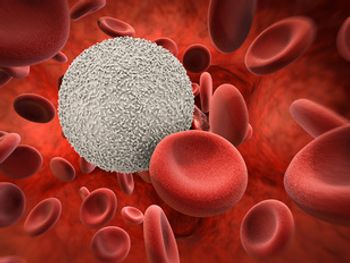
Cytarabine, aclarubicin, and granulocyte colony-stimulating factor (CAG) generates a positive effect for patients with acute myeloid leukemia (AML) by decreasing the number of immunosuppressive cell types and their associated cytokines, while also downregulating SDF-1α levels

The report, more than a year in the making, comes at the start of Diabetes Awareness Month.

November marks Lung Cancer Awareness Month, which seeks to put a spotlight on the leading cause of cancer death. Here are 5 things to know about the disease.

PZ-2891 is a new and unique therapeutic agent that has shown to be able to penetrate the blood-brain barrier and increase coenzyme A levels in mice, leading to increased weight, longer life span, as well as improving locomotor activity, based on results from a study by Sharma et al.

A new study offers insights into ways to improve breast cancer screening with a new understanding of how genetic risk variants affect disease progression and mode of detection. The study found that the presence of certain rare mutations was indicative of increased risk from interval breast cancers and death.
The current environment for healthcare value assessment seems to mirror American politics: a rush to the extreme at a time when collaboration in the sensible middle is most needed.

The mixture of flavorants and propylene glycol (PG) in electronic cigarettes (e-cigs) leads to the formation of acetals that have been shown to activate irritation receptors, predisposing users to the same potential dangers as using traditional cigarettes, a new study said.