
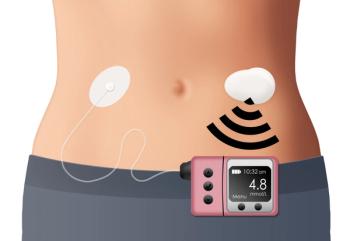
The National Health Service (NHS) in England has made the Dexcom ONE real-time Continuous Glucose Monitoring System available by prescription to patients with type 1 diabetes (T1D).
The National Health Service (NHS) in England has made the Dexcom ONE real-time Continuous Glucose Monitoring System available by prescription to patients with type 1 diabetes (T1D).

The real-life findings showed that treatment with brodalumab improved health-related quality of life (HRQOL) for patients but itching prevented complete improvement.

Most patients with atopic dermatitis had flunctuating levels of depressive symptoms, with having public or no insurance, more severe itch, and skin pain cited as additional predictors of adverse mental health outcomes.

A systematic review found that children who engaged in remote learning during the COVID-19 pandemic had induced or exacerbated visual disturbances.

Ide-cel is a B-cell maturation antigen (BCMA)-directed CAR T-cell therapy, which uses the process of genetically modifying a patient’s T cells and infusing them back into the patient to attack the cancer.

Acadia Pharmaceuticals’ pimavanserin (Nuplazid) was not extended by the FDA to include Alzheimer-related psychosis; HHS/Health Resources and Service Administration vow to strengthen rural health care; a new deal has the United States paying $26 million for Siga Technologies’ Tpoxx.

The REVEAL-HF study investigated using risk scores to improve patient outcomes through targeted interventions, including treatment initiation and intensity, end-of-life care, and hospitalization and mortality risks.
In this episode of Managed Care Cast, we speak with Sachin Jain, MD, MBA, SCAN Group and Health Plan's president and CEO, about how the organization made 10% of senior managers’ annual bonuses dependent on how well the gap in medication adherence among diverse populations was reduced.

Freezing of gait incidence among patients with Parkinson disease (PD) was associated with older age, more severe motor symptoms, postural instability/gait difficulty clinical phenotype, and other risk factors.

With 40% of patients with diffuse large B-cell lymphoma experiencing relapsed or refractory disease (rrDLBCL), researchers highlighted the promise of chimeric antigen receptor (CAR) T-cell therapy for these patients.

Interstitial lung disease (ILD) was shown to correlate with an increased risk of both COVID-19 severity and mortality, according to a recent meta-analysis.

Darolutamide, sold as Nubeqa, is an androgen receptor inhibitor, which works to limit prostate cell growth by preventing the binding of hormones, or androgens, to proteins known as androgen receptors.

Gary Owens, MD, president of Gary Owens Associates, addresses how payers can improve outcomes for persons who have pulmonary arterial hypertension (PAH).

Pfizer has agreed to purchase Global Blood Therapeutics for $5.4 billion; Kelley v Becerra threatens access to preventive care services protected by the Affordable Care Act; monkeypox vaccine doses will be administered via intradermal injection rather than subcutaneously.

Allergen immunotherapy, especially given by the subcutaneous route, was shown to be cost-effective for children with house dust mite-driven allergic asthma, according to a recent study based in Portugal.

Treatment of hepatitis C virus (HCV) with direct-acting antiviral medications was associated with low HCV reinfection rates among patients who inject drugs, although risk for reinfection was highest in the first 24 weeks of treatment and among those with ongoing injecting drug use.

New heart failure guidelines redefine stages of the disease to emphasize prevention, said Biykem Bozkurt, MD, PhD, but more must be done by payers to identify those at high risk.

European patients with eosinophilic esophagitis (EoE) had an improved diagnosis process and a faster diagnosis as new clinical practice guidelines were published over time, according to the results of a recent study.

European adult patients with atopic dermatitis most valued therapies that had rapid onset, oral administration, and were able to be paused—even at the expense of reduced efficacy.

HR 5376, or the Inflation Reduction Act, is most significant piece of legislation affecting federal health policy since the passage of the Affordable Care Act in 2010; for Medicare beneficiaries, it caps insulin at $35 a month and includes other pricing reforms.
Only 7300 doses of the new Novavax vaccine have been administered with over 27 million Americans still unvaccinated; women in states where abortion is banned are managing abortions medically on their own outside of clinician care; affordable access to naloxone may become easier.
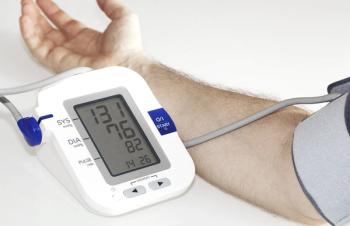
Coverage from the 2022 Congress of the American Society for Preventive Cardiology (ASPC) in Louisville, Kentucky, featuring 3 experts on aspects of hypertension treatment: Keith C. Ferdinand, MD, of Tulane University School of Medicine; Kim Allan Williams, MD, of the University of Louisville; and George C. Bakris, MD, of the University of Chicago Medicine.

The rarity of sinonasal cancers presents various challenges for advancing disease management.

Emergency department (ED) asthma visits can be an indicator of poor housing conditions, according to results of a study done in New Haven, Connecticut.

Anchalee Avihingsanon, MD, PhD, HIV-NAT, Thai Red Cross AIDS Research Centre, Bangkok, Thailand, is principal investigator of the ALLIANCE trial from Gilead.

Investigators said they were able to confirm diagnoses of systemic lupus erythematosus (SLE) and thrombotic thrombocytopenic purpura (TTP) because they took a multidisciplinary approach.
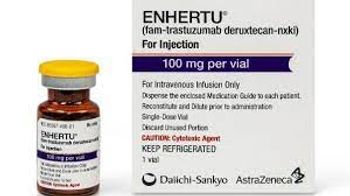
The approval came exactly 2 months after results from the landmark DESTINY-Breast04 trial showed that the antibody drug conjugate reduced the risk of disease progression or death by 50% compared with chemotherapy for HER2-low patients with both hormone receptor (HR)–positive and HR-negative disease.

The study found that patients with Hodgkin lymphoma (HL) were at an increased risk of any mental health disorder, which was associated with worse long-term outcomes.

This study investigated the potential for postoperative recurrence of chronic rhinosinusitis with nasal polyps (CRSwNP) as measured against B7-H4 expression.

New data show the stark contrast between untreated infants with type 1 spinal muscular atrophy (SMA) and those who received risdiplam.

259 Prospect Plains Rd, Bldg H
Cranbury, NJ 08512
© 2025 MJH Life Sciences®
All rights reserved.