

Posters presented at the AMCP Nexus 2021 meeting reviewed the cost-effectiveness and cost per response for zanubrutinib vs ibrutinib.
Posters presented at the AMCP Nexus 2021 meeting reviewed the cost-effectiveness and cost per response for zanubrutinib vs ibrutinib.

Twenty combinations of toxic pollutants were identified by a machine learning algorithm as being tied with asthma outcomes.

Researchers hope these findings help develop methods to assess cognitive function in patients with rheumatoid arthritis.

A recent review sought to analyze studies to identify a neuropsychological assessment to evaluate cognitive domains and neuropsychological changes.

A review of current molecular and electrophysiological biomarkers in spinal muscular atrophy (SMA) concluded that more exploration is necessary to find noninvasive, yet accurate, measures of disease progression and therapy response.
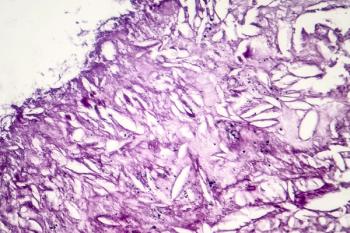
Autologous tumor lysate particle-loaded dendritic cell (TLPLDC) vaccination is well-tolerated in combination with other immunotherapies, but further research is needed to confirm its efficacy.

Daniel Greer, PharmD, BCPP, clinical assistant professor, Rutgers Ernest Mario School of Pharmacy, discusses the incidence and long-term implications of chronic insomnia.

As deductibles for Medicare Part D beneficiaries and enrollment continue to rise, new policies and reconciliation negotiations aimed at lowering costs may hold the key to stabilizing Part D plans, according to presenters at the Academy of Managed Care Pharmacy Nexus 2021 meeting.

Highlighting the latest ophthalmology-related news reported across MJH Life Sciences™.

Two posters presented at AMCP Nexus 2021 review the high burden of social determinants of health (SDOH) on patients with serious mental illness.

Studies presented at Academy of Managed Care Pharmacy Nexus 2021 elucidated costs of skin treatment for workers in terms of recovery time taken and percentage of salary.

The FDA approves Moderna and Johnson & Johnson COVID-19 booster shots and will allow mixing-and-matching for boosters; the health-related effects of climate change are growing; there is a rise in poisonings tied to the antiparasitic drug ivermectin.

Jason Myers, PhD, CEO of the New Zealand AIDS Foundation, delves into how services related to HIV and AIDS in New Zealand—treatment and prevention, and now holistic services—have been spurred to expansion in recent years.

A new study from Turkey shows, among other results, that delayed initiation of treatment with growth hormone among pediatric patients may lead to minimal height improvements despite adherence to the therapy.

While sales have gone up, the research does not directly show whether there is an increase in people smoking cigarettes.

Sold under the name Dupixent, dupilumab is a biologic that inhibits interleukin (IL)-4 and IL-13, which are key drivers of the type 2 inflammation that plays a major role in asthma, chronic rhinosinusitis with nasal polyps, atopic dermatitis, and eosinophilic esophagitis.

Physician and health policy advocates praised the emphasis on streamlining models and ending silos, but practices that invested in the Oncology Care Model (OCM) await key details.

During her presentation at the Academy of Managed Care Pharmacy Nexus 2021 meeting, Aimee Tharaldson, PhD, highlighted the most anticipated specialty pharmacy drugs awaiting FDA approval, including several treatments for cancer and rare diseases.

Biologic-experienced patients with psoriasis exhibited significantly improved treatment adherence and lower discontinuation, nonpersistence, and switching rates over 18 months when prescribed ixekizumab vs secukinumab.

Adalimumab biosimilar AVT02 exhibited comparative efficacy, safety, tolerability, and immunogenicity to the reference drug Humira in patients with moderate-to-severe chronic plaque psoriasis.

There are currently no FDA-approved treatments for refractory chronic cough or unexplained chronic cough. At the CHEST Annual Meeting 2021, attendees heard a readout from a durability study as well as pooled analyses from 2 phase 3 trials for gefapixant.

Results of a questionnaire-based study suggest that deficient androgen levels in men may be associated with migraine and cluster headache.
Surgeons attached the kidney of a genetically altered pig to the outside of a human body; an FDA proposal may help up to 37.5 million Americans with hearing loss; Women pregnant with girls have higher levels of COVID-19 antibodies.

Researchers highlighted the beneficial effects of breastfeeding on mitigating type 1 diabetes (T1D) risk.

A new opinion piece makes the case that rheumatoid arthritis care can, and should, be better tailored to individual case characteristics.

Evan L. Stepp, MD, FCCP, CPE, a pulmonologist at National Jewish Health, discusses an apparent change in attitudes among patients in the wake of 2019’s e-cigarette or vaping use–associated lung injury (EVALI) crisis.

A panel discussion at AMCP Nexus 2021 explored the current biosimilar landscape and level of uptake, with survey results showing payers are accepting of biosimilars and that a majority support nonmedical switching.

The WISDOM study—Women Informed to Screen Depending On Measures of risk—was launched to test a personalized approach to screening compared to annual mammograms. Funmi Olopade, MD, FACP, is a professor of Medicine and Human Genetics and founding director of the Center for Clinical Cancer Genetics and Global Health at the University of Chicago Medical Center, and a co-investigator of WISDOM. She is an expert on understanding the etiology and genomic basis of cancer progression in diverse populations and has published extensively on both genetic and non-genetic risk factors for breast cancer. She discussed overcoming early challenges of low enrollment of Black women in the study.

There has been a huge shift forward in the understanding of innate and adaptive immune mechanisms that provoke type 2 inflammation in atopic disease and eosinophilic esophagitis, according to a CHEST Annual Meeting 2021 speaker.

A case series underscores the importance of pulmonary arterial hypertension (PAH) screening in pediatric patients undergoing chemotherapy and stem cell transplantation.

259 Prospect Plains Rd, Bldg H
Cranbury, NJ 08512
© 2025 MJH Life Sciences®
All rights reserved.