

Poster data show the efficacy of nerandomilast in patients with idiopathic pulmonary fibrosis (IPF) and progressive pulmonary fibrosis.
Poster data show the efficacy of nerandomilast in patients with idiopathic pulmonary fibrosis (IPF) and progressive pulmonary fibrosis.

After vitiligo diagnosis, many patients remain untreated and switch quickly between therapies, according to new data on treatment patterns.

FVC percent predicted could differ in those with ILD who progress to terminal outcomes, indicating a need for patient monitoring.

Investigators found major variation in prior authorization rules across commercial insurers, highlighting limited standardization and transparency.

A new review links coexisting sleep apnea and diabetes to higher stroke risk, poorer recovery, and greater vascular damage.

Researchers found major differences between smoldering myeloma risk tools, raising concerns about overtreatment and defining “high risk.”

New findings presented at ACC.26 highlight the potential of Lp(a)-targeted therapies for patients with ASVD and elevated Lp(a).

ALIS plus MDT improved symptoms and culture conversion in newly diagnosed MACLD, according to late-breaking data presented at ATS 2026.

FDA approval brings Enhertu into early breast cancer treatment, boosting response before surgery and cutting recurrence risk after, reshaping care.

Efficacy and safety top the list for patients and physicians making R/R CLL treatment decisions, yet fewer than 1 in 3 patients felt their doctor fully answered their questions.

Early results show the potential for congestion pricing and clean air zones to be beneficial for the health of children in major cities.

Differences between sexes in cardiovascular health can appear as early as the neonatal stage in preterm infants.

A cross-sectional analysis found diverging skin cancer trends by region, with basal cell carcinoma projected to have the highest global burden by 2050.

Demetre Daskalakis, MD, MPH, Callen-Lorde, opened the first full day of ATS 2026 by highlighting the past, present, and future of vaccine policy in the US.

Text message reminders increased CRC screening completion at 2 FQHCs, with the strongest impact seen for Cologuard use.

Black patients with breast cancer face cost, limited representation, and textured-hair concerns that reduce scalp-cooling use to prevent hair loss.
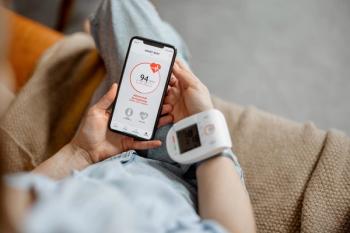
Women’s Health Month highlights major 2026 shifts in menopause care, brain health, abortion access, doula coverage, and wearable tech.

Health updates cover abortion pill access, lung care research, pregnancy-linked heart risks, US longevity gaps, and flawed drug adherence metrics.

Patients with IPF hospitalized for CDI had higher mortality, longer stays, and greater costs.

The Supreme Court’s temporary action on mifepristone telehealth access raises new questions about reproductive health policy, autonomy, and care access in the US.

Medication adherence is a key to improving outcomes, reducing costs, and strengthens the patient experience, making it an important lens into how health care is serving patients

The conference, set to take place in Orlando, Florida, features sessions focusing on new research and environmental impacts in the thoracic space.

Older adults with prior adenomas had slightly higher CRC risk, but 10-year CRC incidence was far outweighed by non-CRC mortality, supporting reduced surveillance colonoscopy use.

The disease progression of patients with MS had an association with their serum protein level.

Skin cancers arising from burn scars carry high recurrence and mortality risks, with squamous cell carcinoma considered most common.

There were about 70,000 Americans who died of drug overdoses in 2025, which continues a decline in drug overdoses that has lasted 3 years.

Exposure to adverse pregnancy outcomes may be associated with worse cardiovascular health and early arterial injury in young adulthood.

New research shows that celebrity endorsements can have a major impact on prescription patterns in the US.

A cohort-based mortality study found major state-by-state life expectancy gaps, with Southern states lagging in longevity gains.

In psoriatic arthritis, high BMI and smoking raise disease activity, while weight-focused lifestyle changes improve treat-to-target odds at one year.