

Adalimumab biosimilar AVT02 exhibited comparative efficacy, safety, tolerability, and immunogenicity to the reference drug Humira in patients with moderate-to-severe chronic plaque psoriasis.
Adalimumab biosimilar AVT02 exhibited comparative efficacy, safety, tolerability, and immunogenicity to the reference drug Humira in patients with moderate-to-severe chronic plaque psoriasis.

There are currently no FDA-approved treatments for refractory chronic cough or unexplained chronic cough. At the CHEST Annual Meeting 2021, attendees heard a readout from a durability study as well as pooled analyses from 2 phase 3 trials for gefapixant.

Results of a questionnaire-based study suggest that deficient androgen levels in men may be associated with migraine and cluster headache.

Surgeons attached the kidney of a genetically altered pig to the outside of a human body; an FDA proposal may help up to 37.5 million Americans with hearing loss; Women pregnant with girls have higher levels of COVID-19 antibodies.

Researchers highlighted the beneficial effects of breastfeeding on mitigating type 1 diabetes (T1D) risk.

A new opinion piece makes the case that rheumatoid arthritis care can, and should, be better tailored to individual case characteristics.

Evan L. Stepp, MD, FCCP, CPE, a pulmonologist at National Jewish Health, discusses an apparent change in attitudes among patients in the wake of 2019’s e-cigarette or vaping use–associated lung injury (EVALI) crisis.

A panel discussion at AMCP Nexus 2021 explored the current biosimilar landscape and level of uptake, with survey results showing payers are accepting of biosimilars and that a majority support nonmedical switching.

The WISDOM study—Women Informed to Screen Depending On Measures of risk—was launched to test a personalized approach to screening compared to annual mammograms. Funmi Olopade, MD, FACP, is a professor of Medicine and Human Genetics and founding director of the Center for Clinical Cancer Genetics and Global Health at the University of Chicago Medical Center, and a co-investigator of WISDOM. She is an expert on understanding the etiology and genomic basis of cancer progression in diverse populations and has published extensively on both genetic and non-genetic risk factors for breast cancer. She discussed overcoming early challenges of low enrollment of Black women in the study.

There has been a huge shift forward in the understanding of innate and adaptive immune mechanisms that provoke type 2 inflammation in atopic disease and eosinophilic esophagitis, according to a CHEST Annual Meeting 2021 speaker.
A case series underscores the importance of pulmonary arterial hypertension (PAH) screening in pediatric patients undergoing chemotherapy and stem cell transplantation.

Future asthma guidelines need to focus more on the unmet needs of the patients whose severe asthma is not well controlled, said Tonya Winders, MBA, CEO and president of the Allergy & Asthma Network.

The data suggest early factors in the home are the most important links to asthma risk in children.

A panel of experts highlighted a number of emerging product solutions that can help health plans overcome challenges associated with financing and reimbursing gene and cell therapies and offered insight into how these solutions can be expanded as more therapies enter the market.

Paradoxical bronchospasm, although rare, should be recognized more often in spirometry tests, said pulmonologist Malvika Kaul, MD, who discussed study findings from a population of veterans with chronic obstructive pulmonary disease (COPD) and asthma, where the possibly life-threatening condition was not picked up in lung tests.

A study confirmed that many online resources showed inconsistencies or omissions compared with established guidelines related to physical activity and exercise training, which are known to provide clinical benefits for patients with multiple sclerosis (MS).

An analysis of the latest research finds a robust approach to understanding particular prostate cancers remains necessary to finding optimal treatment.


A panel of experts at AMCP Nexus 2021 explored multiple ways that health plans and providers can begin to address disparities in health care and offered recommendations on how to implement these tactics effectively.

The Biden administration moves to regulate certain toxic chemicals; the FDA is expected to endorse mixing and matching vaccine boosters; nurse shortages could lead to care rationing in New Mexico.

Nicole Herbst, MD, a pulmonary and critical care fellow, talks about how visitor restrictions and communication practices in intensive care units (ICUs) during the COVID-19 pandemic negatively impacted provider job satisfaction and were linked to job burnout, according to a survey presented at the CHEST Annual Meeting 2021.

A panel discussion at the CHEST Annual Meeting 2021 discussed disparities related to race, ethnicity, gender, and socioeconomic status that have been shown to impact access to high-quality lung cancer care.
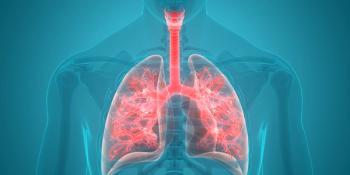
Endostatin could help measure pulmonary arterial hypertension (PAH) severity.

Using data from a nationally representative sample, investigators sought to determine trends in insulin device use.

At a session of the CHEST Annual Meeting 2021, specialists reviewed the need for a thorough diagnosis to tell whether a patient's symptoms are caused by asthma or another pulmonary condition.

The low-dose tablet will help pediatric patients weighing between 14 kg and 25 kg who are virologically suppressed or new to antiretroviral therapy.

Researchers explored how the gut-brain axis may affect pediatric migraineurs.

Camillo Ricordi, MD, FNAI, outlines what needs to happen next in the islet transplantation field.
Merck has submitted data on its COVID-19 pill to the FDA after a successful trial; air, land, and ferry travelers will be allowed into the United States in November if they show proof of vaccination; 13 of 33 certified community behavioral health clinics in Michigan will be reimbursed by Medicaid.
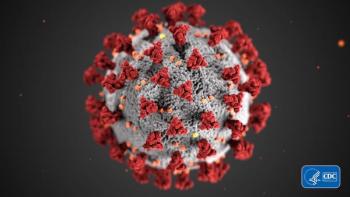
Researchers at the CHEST Annual Meeting 2021 addressed the evolution of COVID-19 variants, how these emerging strains impact vaccines, and preventive recommendations for at-risk populations.