

A new study found that supply chain issues were less likely to affect Canada when it came to meaningful drug shortages when compared with the United States.
A new study found that supply chain issues were less likely to affect Canada when it came to meaningful drug shortages when compared with the United States.

As health care costs escalate, a new survey reveals that 74% of employers are grappling with the impact on employee wages and benefits, with many anticipating further cost-shifting to their workforce.

Alopecia areata was more likely to develop in patients with inflammatory bowel disease (IBD) who were taking anti–tumor necrosis factor (TNF) therapy at the onset of the condition.

In the wake of the Inflation Reduction Act and other regulatory changes, Medicare Advantage plans have braced for significant cuts that are forcing them to take a hard look at their product offering.

Novel evidence has emerged from a 16-year study that hidradenitis suppurativa can elevate risks of not only pregnancy and postpartum complications, but of morbidity—particularly metabolic- and immunology-related morbidity—for mother and child in the long term.

Report reveals growing divide between subsidized and unsubsidized enrollees.

Patients with transfusion-dependent β-thalassemia experienced 14.8 hospitalizations annually, according to the findings.
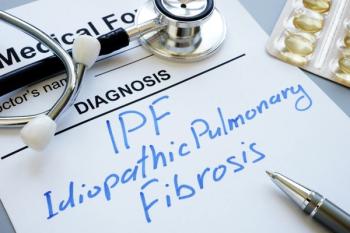
Despite proven benefits, referrals to pulmonary rehabilitation and palliative care for patients with idiopathic pulmonary fibrosis (IPF) in England remain significantly lower than for other respiratory conditions.

The machine learning model shows promise in detecting paroxysmal nocturnal hemoglobinuria (PNH) by assessing electronic health records (EHR) data, potentially transforming the diagnostic landscape for rare diseases.

More than 80% of patients with lung cancer receive care in their communities, but this can leave them vulnerable to gaps in care quality and delivery.

The long-term response rate for zanubrutinib was better than ibrutinib in patients with relapsed/refractory chronic lymphocytic leukemia (CLL) and small lymphocytic lymphoma (SLL).

A new analysis of real-world data show that just as in solid tumors, higher tumor mutational burden (TMB) and PD-L1 expression in blood cancers are linked to less-optimistic prognoses.

Program yields largest savings in its history of more than $2.1 billion in 2023.

Alopecia areata is more prevalent in Hispanic, Asian/Pacific Islander, and Black children than in non-Hispanic White children, with some Asian subgroups having a higher risk compared with those of Chinese ethnicity.

Biosimilar aflibercept (P041) demonstrated comparable safety and efficacy to the originator aflibercept (Eylea) in treating patients with retinal conditions like neovascular age-related macular degeneration (nAMD).

When resistance to or failure of hypomethylating agents (HMAs) occurs in acute myeloid leukemia (AML), depleting a ligase called TOPORS may help.

A panel of industry experts discussed the complexities of biosimilars and interchangeability, emphasizing the challenges in adoption, the need for regulatory and legislative solutions, and the importance of education to combat misinformation.

Research presented at CHEST 2024 examined the effect of steroid choice on individuals who have a dual diagnosis of heart failure and chronic obstructive pulmonary disease (COPD).

In a recent meta-analysis, the prevalence of human papillomavirus (HPV), especially types 16 and 18, was significantly increased among patients with ovarian cancer (OC) vs controls.

Results could vary between having a net benefit or harm based on the balance between achieving screening in individuals who otherwise wouldn’t and using cell-free DNA blood tests in favor of more effective methods of screening for colorectal cancer (CRC).

The FDA has approved oxycodone hydrochloride (RoxyBond) for the management of severe pain when other treatments have proved inadequate.

The outcomes of the EMBARK and CIFFREO trials in boys aged 4 to 7 have raised concerns in the Duchenne muscular dystrophy (DMD) community and prompted layoffs at Pfizer.

A recent retrospective, cross-sectional study found that detecting self-injurious thoughts and behaviors in youth requires improvement to ensure equitable identification of at-risk patients.

People living with HIV (PWH) can have mental health implications related to their neighborhood markers and environment.

Alopecia areata and asthma are strongly linked, particularly through the inflammatory protein IL-33, suggesting a shared biological pathway and potential for targeted treatments like dupilumab.

With new therapies available to treat early stages of Alzheimer disease, recognizing the symptoms earlier is increasingly important.

Prompt care supports mental well-being, as hidradenitis suppurativa is often associated with depression and anxiety due to its physical and social challenges.

Patients with Medicare coverage and whose incomes fall between 100% and 400% or less of the federal poverty level may find themselves in a tricky financial situation concerning their ability to pay the Medicare Part A hospital deductible.

The Noninvasive Ventilation Outcomes (NIVO) score is a reliable predictor of intensive care unit (ICU) mortality, 1-year mortality, and NIV failure in patients with acute exacerbations of COPD (AECOPD), offering valuable guidance for personalized patient management.
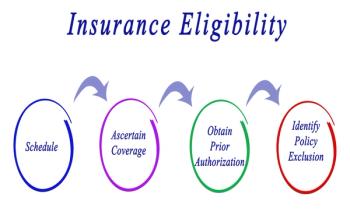
Prior authorizations (PA) have been the subject of much scrutiny as of late through research demonstrating subsequent limited access to care in the aftermath of PA denials from use of artificial intelligence (AI) technologies.