
The current outbreak stems from the clade I strain of mpox, different from the clade II strain that caused the 2022 global health emergency.
The current outbreak stems from the clade I strain of mpox, different from the clade II strain that caused the 2022 global health emergency.

Adverse outcomes in the aftermath of the COVID-19 pandemic continue to be evaluated as they pertain to social determinants of health, with these authors investigating improvements in food hardship among families participating in the Supplemental Nutrition Assistance Program (SNAP).

Demetria Smith-Graziani, MD, MPH, Emory University School of Medicine, explained biological and structural obstacles to equitable breast cancer outcomes and care across racial and ethnic groups.

Patients with vitiligo and psychosocial comorbidities face significantly higher overall health care utilization and costs, although their vitiligo-related expenditures remain similar to those without such comorbidities.

CDC data from 2021 show the lifetime cost of treating syphilis to be $1190.

Though circulating high mobility group box-1 levels appear to be a biomarker for pulmonary arterial hypertension (PAH) in adults with congenital heart disease, the same is not true in pediatric patients.
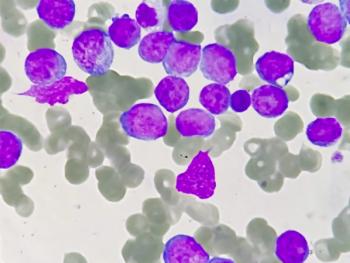
A meta-analysis demonstrated the superiority of Bruton tyrosine kinase inhibitors (BKTi) in the overall survival of patients with chronic lymphocytic leukemia compared with other therapies.

Some groups praised CMS after it announced the 10 negotiated Medicare drug prices while others criticized its potential impacts on drug competition and development.
A review of the upcoming schedule of the Institute for Value-Based Medicine.

Analysis of the phase 3 explorer7 (NCT04083781) study indicates a preference for concizumab prophylaxis over no prophylaxis in patients with hemophilia A or B with inhibitors.

Jennifer Cocohoba, PharmD, MAS, AAHIVP, University of California, San Francisco, School of Pharmacy, discusses the benefits of pharmacy-administered long-acting injectable antiretroviral therapy for HIV and patient attitudes toward pharmacy-administered treatment.
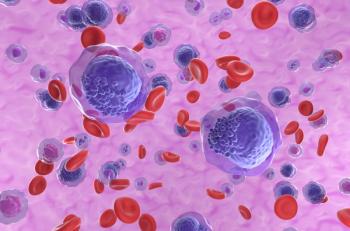
Recent years have brought a more targeted approach to treating acute myeloid leukemia (AML) based on accumulating knowledge about the genetic makeup of the heterogenous disease.

The decremental response follows repetitive nerve stimulation (RNS) completed earlier in proximal muscles compared with distal muscles in a study of patients with myasthenia gravis (MG) and amyotrophic lateral sclerosis (ALS).

Rhabdomyosarcoma, a common form of soft tissue sarcoma in pediatric patients with outcomes that have improved through research, is rare among older patients, who also have significantly poorer outcomes.

Along with the company reorganization, Lykos announced it will be reducing its workforce by approximately 75%, with the remaining team focused on continuing efforts in clinical development, medical affairs, and engagement with the FDA.

CAR T-cell therapy results in a high incidence of cytokine release syndrome, but it is manageable in most cases.

Health plans can improve their Medicare Advantage Star Ratings by focusing on member relationships, ensuring proper documentation, grouping measures, staying updated with regulatory changes, and optimizing their strategy based on numerical targets.

A predictive tool considering disease duration, age at disease onset, age, and Expanded Disability Status Scale score estimated patients’ risk of transition to secondary progressive multiple sclerosis (MS).

Researchers introduce a chimeric antigen receptor–enhancer (CAR-E) therapeutic platform that significantly extends the effectiveness and memory of CAR T cells, potentially preventing relapse in patients who have cancer.

A new study found physical activity held more weight in the link between the joint exposure of sleep duration, metabolic equivalent of task, and Healthy Eating Index (HEI)-2015 and metabolic-associated fatty liver disease (MAFLD).

Delayed biosimilar uptake in the US is driven by payer, provider, and patient barriers, but targeted interventions can help boost utilization and savings.

Coverage of our peer-reviewed research and news reporting in the health care and mainstream press.

The newly approved treatment regimen demonstrated a significant reduction in recurrence risk in patients with resectable non–small cell lung cancer (NSCLC).

Lumbar spine bone mineral density improved significantly and was maintained during long-term tumor necrosis factor inhibitor (TNFi) treatment for axial spondyloarthritis.

A codesigned online nutrition program could potentially fill a need for reliable and evidence-based nutrition information for patients with multiple sclerosis (MS).

Ravulizumab therapy may enable patients with paroxysmal nocturnal hemoglobinuria (PNH) to comparable achieve activity levels and patient-reported outcomes to the US general population.

Authors acknowledge that both the 2022 World Health Organization and International Consensus Classification myelodysplastic syndrome criteria sets have value, while sorting out their similarities and differences.
The respiratory syncytial virus (RSV) vaccine shows strong immunogenicity and safety in immunocompromised adults, study finds.

This investigation was conducted among older, frail patients, a population typically underrepresented in clinical trials.

Malnutrition significantly increases the 180-day hospital readmission rates among patients 65 years or older with chronic obstructive pulmonary disease (COPD), highlighting the importance of monitoring and improving their nutritional status.