

A scoping review of 15 studies found psoriasis prevalence markedly lower across 13 indigenous populations worldwide.
A scoping review of 15 studies found psoriasis prevalence markedly lower across 13 indigenous populations worldwide.

Cathy Eng, MD, explains how young adults with cancer face career, fertility, and body image concerns as well as where to find support.

A traditional Medicare out-of-pocket (OOP) cap could reduce beneficiaries’ costs but increase annual federal spending by $39 billion to $96 billion.

A systemic sclerosis inception cohort and 17-study meta-analysis found a nearly 5-fold increase in lung cancer risk.
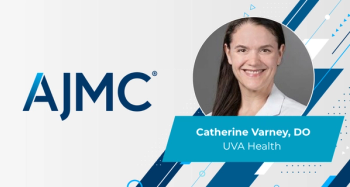
Gray market peptides often contain far less drug than labeled and may carry toxins like arsenic, warns Catherine Varney, DO.

This moves the noncovalent BTK inhibitor into the first-line setting for certain adults with chronic lymphocytic leukemia or small lymphocytic lymphoma.

Build scalable obesity care with multidisciplinary teams, clear triage, and monitoring protocols; address GLP-1 gaps, Medicare access and price barriers, including oral GLP-1.
Gray market peptides cause vague symptoms patients may not disclose or link, so serious harms can go unnoticed until late, says Catherine Varney, DO.

CMS is adding value-based care (VBC) risk faster than many providers can build the data and tech capacity they need to succeed.

Phase 3 wins for ianalumab and dazodalibep bring targeted therapies closer for Sjögren disease as patients face diagnostic delays and high costs.

Patch testing in Malaysia finds contact dermatitis drivers in chronic hand eczema—nickel and fragrance allergy lead, while cosmetics raise polysensitization risk.

Coverage of our peer-reviewed research and news reporting in the health care and mainstream press.

Although PMOS Awareness Month has ended, the conversation continues, with experts saying closing diagnostic and care gaps requires ongoing efforts.

Among people with HIV, lung cancer screening eligibility rose from 6% to 15% in 6 years, but uptake stayed under 30%.
Cathy Eng, MD, FACP, FASCO, says young patients with colorectal cancer often look healthy and present at stage IV, making symptom awareness critical.

CMS finalized the mandatory GLOBE Model, tying Part B drug rebates to international prices in areas covering 25% of beneficiaries from Jan. 1, 2027.

New data on atopic dermatitis show treatment gaps, heavy reliance on dermatology APPs, and wide state variation in specialist supply

At inSPire2026, experts highlighted gaps in specialty therapy payment, 340B data, clinical trials, and AI-driven care.

No biomarker yet predicts individual response to MG therapies, but preventing exacerbations can help reduce utilization, said Richard Nowak, MD, MS.

The approval is based on findings from the phase 3 SCOUT-HCM trial.

Survodutide achieved up to 13.1% weight loss vs 3.1% with placebo at 76 weeks in adults with obesity and T2D in the phase 3 SYNCHRONIZE-2 trial.
AASM urges CMS to reject proposed 2027 Medicare conversion factor cuts of 1.19% to 1.68% and revise sleep testing and remote monitoring policies.

A rare case of soft-tissue sarcoma spreading to the heart shows how multimodal imaging guided diagnosis and care in a 36-year-old man.

A higher ratio of red blood cell distribution width to albumin was tied to greater all-cause, cardiovascular, and cancer mortality in adults with CKD.

A meta-analysis of 22 studies found steatotic liver disease in about three-quarters of patients with sleep-disordered breathing.

FDA accepted United Therapeutics' sNDA for inhaled treprostinil in IPF. Here's what it could mean for patient access, coverage, and costs

Sustainable models require asking what a result shows, what design produced it, and whether the design was built to measure value or just produce a number.

CAR T-cell therapy must be treated as a complete "vein-to-vein" episode, with community practices needing to take control of cases for a period of time.

Weekend catch-up sleep was associated with lower odds of overactive bladder and milder symptoms, with the benefit concentrated in the first 1.5 hours.

Average stand-alone Part D premiums are projected to rise by less than $1 a month as a temporary subsidy program ends after 2026.