

Earlier this week, the FDA approved pembrolizumab (Keytruda) in combination with carboplatin and either paclitaxel or nab-paclitaxel for the first-line treatment of patients with metastatic squamous non-small cell lung cancer (NSCLC).
Earlier this week, the FDA approved pembrolizumab (Keytruda) in combination with carboplatin and either paclitaxel or nab-paclitaxel for the first-line treatment of patients with metastatic squamous non-small cell lung cancer (NSCLC).

Recognizing a need for an outcome indicator for those newly diagnosed with HIV, researchers have proposed including the percentage of newly diagnosed persons achieving viral suppression within 3 months of diagnosis.

New guidelines released by the American Academy of Dermatology will help physicians provide the best treatment for more than 1 million Americans living with melanoma, the deadliest form of skin cancer. The guidelines also highlight the importance of discussions between physicians and patients.

Following indications of an association between migraine and attention deficit and hyperactivity disorder (ADHD) in children and adolescents, a new study has demonstrated a significant comorbidity of the 2 conditions in adults.

Open enrollment for the sixth season under the Affordable Care Act (ACA) begins today and lasts until December 15, and organizations like The Commonwealth Fund are highlighting resources to alert consumers to the differences between the various health insurance plans now available on the individual marketplaces.

The label change includes data from the LEADER trial, which showed that the same active ingredient, liraglutide, reduced major cardiovascular events when given at a lower dose.
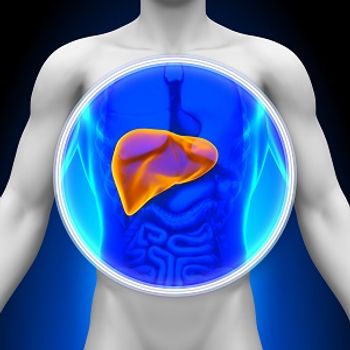
Gene-edited glypican-3 (GPC3)-targeted chimeric antigen receptor (CAR) T cells with deficient programmed death–1 have greater cytotoxicity compared with wild-type GPC3-targeted T cells in GPC3-positive hepatocellular carcinoma, based on results from a recent study.

An angiotensin II receptor blocker that is used to treat high blood pressure has been recalled due to a contamination that carries a potential cancer risk; with insurance companies considering precision medicine experimental, the high cost of a promising area of medicine may be out of reach for patients; instead of using a local pharmacy, employees of the state of Utah could be paid to go to Mexico to fill their prescriptions.

New research presented at the 2018 American College of Rheumatology/Association of Rheumatology Health Professionals Annual Meeting, in Chicago, Illinois, reported on progress over the past 20 years in the care of pregnant women with systemic lupus erythepatosus (SLE) that has led to a decline in maternal mortality and intrauterine fetal death among patients with SLE.

Here are 5 interesting findings from the October 2018 issue of AJMC®.

Over the past several decades, the number of patients who survive head and neck cancer (HNC) has increased; among the more than 15 million cancer survivors in the United States, approximately 430,000 (3%) are survivors of HNC. These survivors may face persistent and late effects of their diagnosis and treatment that increase psychological morbidity, including suicidal ideation.

Here are the top 5 articles for the month of October.
The analysis comes amid a debate set off when CVS Caremark announced that it would allow self-funded insurers to exclude drugs that entered the market above $100,000 per quality-adjusted life year.

Enrollment in Affordable Care Act plans is unlikely to increase in 2019; the outgoing Republican governor of Idaho has announced his support for expanding Medicaid; a new state audit has found that California spent $4 billion on people who were ineligible for Medi-Cal, the state’s Medicaid program.

Oregon has approved new policies to continue the transformation of its Medicaid program with a focus on behavioral health, value, and social determinants of health in the state's coordinated care organizations.

Among women with HIV, there is an increased risk of neutropenia during chemoradiotherapy treatment for cervical cancer and they are less likely to complete chemotherapy with cisplatin.
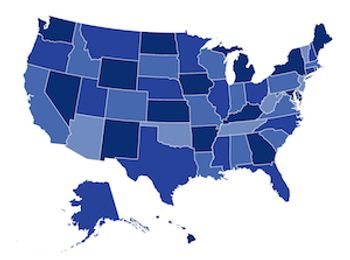
A new report on the prevalence of chronic obstructive pulmonary disease (COPD) shows that there is wide variability across and within states, with West Virginia carrying the highest burden of morbidity and mortality.

A study of more than 120,000 patients found that increasing physical performance is inversely associated with long-term mortality with no observed upper limit of benefit.

Building on positive 48-week data, Janssen released 96-week data demonstrating high rates of virogolic suppression and tolerability among antiretroviral therapy-naïve adults with HIV-1.

As with other kinds of surgery, patients undergoing operations for breast cancer can experience persistent postsurgical pain, which can negatively affect quality of life. Researchers in Tokyo conducted a study to see if they could determine the predictive value and accuracy of an acute pain trajectory, measured by pain intensity at 1 day after the surgery and pain prevalence at 6 months later.

A recent study from Taiwan found that having cataracts was independently associated with increased risks of osteoporosis and fracture, and there also might be an association between cataract surgery and lower risks of osteoporosis and fracture.

The National Institutes of Health is suspending human testing of an experimental, taxpayer-funded, stem cell trial for heart failure in light of emerging questions about the scientific foundation for the treatment; Republicans are working to shift the national healthcare conversation by telling seniors their Medicare coverage may be in danger; the drive to tighten immigration rules is stirring concerns in the medical profession about how it will affect the future supply of doctors in the United States.

In the last decade, testing for and treatment of chronic lymphocytic leukemia (CLL) had undergone substantial changes with new testing that can personalize therapy and new agents that provide more clinical benefit.

There are 2 policy forces at work that will likely have the most impact on sign-ups for health insurance available on the individual marketplaces under the Affordable Care Act (ACA), according to a Health Affairs blog post.

Lalan Wilfong, MD, moderated a conversation between Robert E. Baird, MD, CEO of Dayton Physicians Network, and Sarah Cevallos, chief revenue cycle officer for Florida Cancer Specialists and Research Institute, about current and future strategies for Oncology Care Model (OCM) participation, as well as key lessons from the OCM and how they can be applied in other reform models.

A new study suggests that patients undergoing thyroid and parathyroid surgery need little opioid treatment postoperatively if they receive preoperative patient education.

Guidelines indicate that high-risk patients with polycythemia vera (PV) should be treated with phlebotomy and cytoreductive therapy—such as hydroxyurea or interferon-alfa—to reduce the risk of thrombosis, the major cause of death among patients with PV. To assess the effectiveness of these treatment modalities among older US adults with PV, the authors of a newly published paper evaluated a large cohort of patients with PV in the real-world setting.

A small biotech company is moving toward FDA approval with a pill it believes can lower bad cholesterol at a discount to other medicines; most of the nation’s hospitals have so far avoided offering any form of addiction medicine to patients in the emergency department, but in Maryland, that is starting to change; since 2010, nearly 90 rural hospitals have shut their doors, and there are consequences for residents and different reasons why this is happening.

Cardiovascular outcomes trials have changed type 2 diabetes drug development and added to the knowledge base, but some think these giant studies make therapies too costly and discourage innovation.

Researchers reviewed the most updated concepts of the pulmonary vascular changes in chronic obstructive pulmonary disease (COPD) and concluded that certain subgroups of COPD patients with pulmonary vascular phenotypes may profit from targeted pulmonary arterial hypertension therapy.

259 Prospect Plains Rd, Bldg H
Cranbury, NJ 08512
© 2025 MJH Life Sciences®
All rights reserved.