

Genetic analysis finds 125 loci shared by insomnia and CRP, with Mendelian randomization favoring an effect from insomnia liability to inflammation.
Genetic analysis finds 125 loci shared by insomnia and CRP, with Mendelian randomization favoring an effect from insomnia liability to inflammation.

Coverage of our peer-reviewed research and news reporting in the health care and mainstream press.

Alice Hall-Partyka, JD, a partner at Crowell & Moring explains the lawsuits challenging CMS' Medicaid rule on pediatric gender care and its legal weak points.

Proinflammatory diets were tied to higher mortality in MASLD and MetALD, whereas antioxidant-rich diets tracked with better survival.
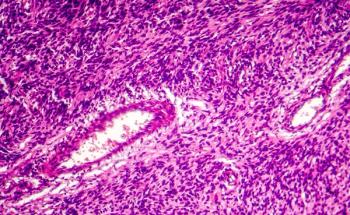
Inconsistent definitions limit pathological response as a soft tissue sarcoma marker, according to a narrative review.

An analysis finds distinct adverse event reporting patterns across immunosuppressive regimens, highlighting the need for tailored safety monitoring.

On National Latinx AIDS Awareness Day, experts outline HIV prevention gaps in Hispanic communities and how payers can ease PrEP access.

HR 1 brings Medicaid work requirements and narrower immigrant eligibility by January 2027, and CBO projects 10 million more uninsured by 2034.

CMS ends ACA subsidies for 189,000 enrollees with duplicate Medicare, Medicaid, or CHIP coverage or listed as deceased, with a 30-day dispute window.

Subcutaneous mosunetuzumab plus polatuzumab vedotin boosts responses in relapsed large B-cell lymphoma, helping community oncology care.
Using baseline samples from 177 patients in the VISION/HO141 trial, researchers built a functional prognostic model for CLL that outperformed the CLL-IPI.

The Franklin County death is under state review as Pennsylvania's measles outbreak passed 1100 cases and 219 hospitalizations.

Among 4378 Spanish registry patients, dyshidrotic eczema was less tied to occupation than other hand eczema.

New non-CF bronchiectasis in Medicare is tied to high health care use and $8998 PPPM FFS spending; prevalence is highest in older women.

NPC researchers examined questions about how these policies could affect patients, pharmacies, and providers.
These phase 3 EXCALIBER-RRMM findings build on earlier MRD-negative complete response results supporting FDA approval of the iberdomide-based regimen.

Admilparant 60 mg met the ALOFT-IPF primary end point, significantly improving FVC change vs placebo at 52 weeks in idiopathic pulmonary fibrosis.

Postpartum navigation missed its primary goal but raised postpartum visits and primary care use among Medicaid-insured patients.

A 39,669-patient French cohort found ustekinumab and IL-23 inhibitors carry the lowest infection risk among biologics.

CMS' rule ending Medicaid and CHIP funding for pediatric sex-rejecting procedures is now in effect.

At a roundtable in Cleveland, kidney experts said IgA nephropathy and FSGS often go unrecognized, calling for EHR flags and better referral channels.

This analysis in RR MCL shows CAR T-cell therapy (brexucabtagene) yields higher complete responses vs bispecific antibodies; durability remains unclear.

Meta-analysis finds oral JAK inhibitors like baricitinib and ritlecitinib drive strong alopecia areata hair regrowth, improving SALT scores with manageable safety.

Follitropin delta yields cumulative ongoing pregnancy in 64.0% of patients under 35 and 43.9% of those 35 to 42 in 2 placebo-controlled IVF trials.

Medicare drug price negotiations lowered out-of-pocket costs for some beneficiaries, but those reaching the annual Part D cap saw no direct savings.

AI quantitative CT (UCLA QILD, Brainomix e-Lung) predicts FVC decline and drug response in PPF, strengthening biomarkers beyond spirometry in INBUILD.

Delphi consensus guides dermatology on spotting CTCL vs atopic dermatitis before/after dupilumab, using biopsy plus T-cell clonality testing and safer treatment switches.

Rosacea is likely missed, not rare, in skin of color, as low suspicion and hard-to-see redness delay diagnosis, said Hilary Baldwin, MD.
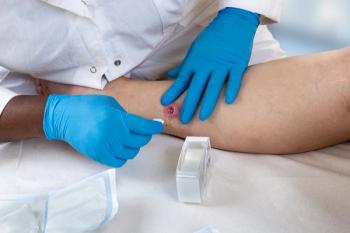
Hidradenitis suppurativa diagnosis often takes 7 to 10 years, and patients with skin of color often present with tunnels and scarring already in place.

In HIV, lymphoma survival tracks tumor stage and CD4 count, not viral suppression, a Spanish cohort shows.