

Oncologists say advances in testing and treatment are outpacing staffing, pay, and access.
Oncologists say advances in testing and treatment are outpacing staffing, pay, and access.

Home NB-UVB phototherapy matches office results, boosts psoriasis treatment adherence, and may improve access, but long-term safety, equity, and oversight lag.

Upper-extremity synovial sarcoma required more staged surgery, while lower-extremity disease carried more complications and metastases.

In the US alone, 1.1 million individuals are living with the progressive neurodegenerative movement disorder, and 90,000 are diagnosed each year.

Baricitinib is now FDA approved for adolescents 12 and older with severe alopecia areata, extending the once-daily pill beyond adults.

A new type of eye drug matched standard anti-VEGF therapy in a large trial for diabetic macular edema, a disease affecting 1.6 million Americans.

Portuguese patch testing finds many chronic hand eczema cases link to allergic contact dermatitis—especially occupational exposures like methylisothiazolinone, HEMA acrylates, thiuram mix, nickel.

Two posters report 3.9% first-year GLP-1 discontinuation and a 5-day median time to first fill under pharmacist-led care.
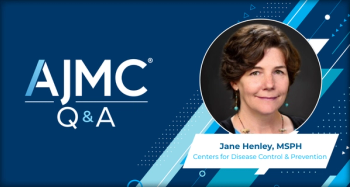
CDC's Jane Henley, MSPH, explains what's behind falling lung cancer deaths and why 4 in 5 eligible adults still aren't getting screened.

The regulatory decisions reflect how advances in biomarkers and molecular medicine are reshaping both diagnosis and treatment.

As peptides go mainstream, the FDA's shifting rules and a fractured state patchwork leave patients navigating a largely unregulated gray market.
NCCN concordance won't ensure coverage; OAB risk tied to income; 91% offer bispecifics; ruxolitinib spend hits $49.6M; TALK SAFE Act aids telepsychiatry.

Community oncologists cited prior authorization as a care barrier, even as AI adoption doubled in 2026, according to the Oncology Care Index.

A large propensity-matched study linked outpatient melatonin use to a small reduction in REM sleep in children evaluated for polysomnography.
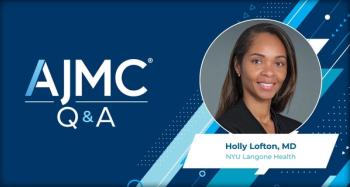
Prior authorization and compounded drugs remain top obesity care access barriers, says NYU Langone's Holly Lofton, MD.

Panelists say IRA, Most Favored Nation rules and fragmented data are freezing value-based deals for durable one-time therapies.

Payers say NCCN guideline concordance sets a baseline for cancer coverage, but cost and formulary variation may still limit access.

The FDA has approved belzutifan plus lenvatinib for advanced ccRCC after PD-1/PD-L1 therapy, expanding treatments for those with disease progression.

A 3-year registry found dupilumab controlled atopic dermatitis (AD) in most children, though those under 6 years were likelier to stop treatment.

Machine learning identified age, BMI, income, and reproductive factors as key predictors of overactive bladder risk among US women.

Accelerated approvals, surrogate end points, and high drug costs are reshaping cancer center formulary decisions, explained panelists at PCOC.

Most community oncology practices now administer bispecific antibodies in-office, but reimbursement gaps remain a top barrier, a survey finds.

Topical ruxolitinib prescribing in Medicare Part D surged through 2024, but its cost per day runs 16 times higher than generic tacrolimus.

Baseline biopsies separated 16 patients who later developed hepatocellular carcinoma from 32 matched controls a median 6.1 years ahead.

Twice-daily dosing of the oral JAK inhibitor deuruxolitinib nearly tripled response rates over once-daily dosing in severe alopecia areata.

Panelists at NASP inSPire2026 said specialty pharmacies could close clinical trial enrollment gaps by capturing one missed data point.
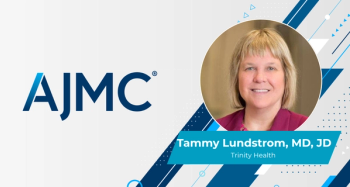
Overlapping COVID-19 and flu symptoms make diagnosis hard, says Trinity Health's Tammy Lundstrom, who outlines prevention and vaccine guidance.
“I think there’s not a lot of information as to what the process is for individuals who have questions about that,” explains Kerry Rogers, MD.

Across 29,132 surgically treated T1 cases, lymph node metastasis hit 19.2% under age 50 vs 11.1% at 50 and older.

Medicare's cell and gene therapy payment gap remains, with hospitals absorbing costs as insurers limit coverage.