

A 3-cohort study finds CC16 levels flag airway remodeling and fibrosis-like lung damage up to 3 years after severe COVID-19.
A 3-cohort study finds CC16 levels flag airway remodeling and fibrosis-like lung damage up to 3 years after severe COVID-19.

This study links NT1 to anterior hypothalamus shrinkage, advancing orexin/hypocretin insights and a potential biomarker for narcolepsy with cataplexy.

The phase 3 MINT trial found inebilizumab significantly reduced exacerbations and rescue therapy use in patients with generalized myasthenia gravis.

In this analysis, all 4 biologic classes showed reduced risk, and the CV benefit remained consistent across White, Black, and Asian patients.

Coverage of our peer-reviewed research and news reporting in the health care and mainstream press.
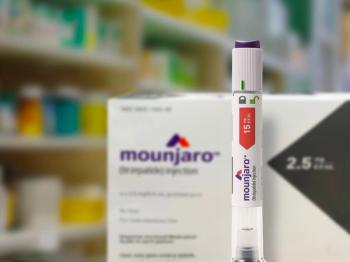
Tirzepatide is now approved to lower cardiovascular death, heart attack, or stroke risk in adults with type 2 diabetes.

FDA approves brepocitinib, the first oral, targeted therapy for adult dermatomyositis, backed by phase 3 VALOR data.

A 4-million-person study finds unvaccinated COVID-19 infection raises myocarditis, pericarditis, and death risk far more than the Pfizer vaccine.

The findings reinforce monitoring and managing thrombotic risk across the PV population rather than focusing on traditionally defined high-risk patients.

Experts discussed childhood vaccine recommendations, school requirements, exemptions, misinformation, and vaccine hesitancy.

County-level CRC mortality fell substantially since 2000, but some counties still had rates more than 13 times the Healthy People 2030 target in 2019.

Nearly 1 in 3 women aged 21 to 29 and 1 in 7 aged 30 to 65 had never been screened for cervical cancer by 2023.

A narrative review finds insomnia is a consistent, dose-dependent cardiovascular risk factor, but trials have not shown that treatment lowers risk.

A review maps psoriasis's 3-stage path to psoriatic arthritis and tools to catch it before joint damage.

The study authors indicated that future investigations could further facilitate clinical decision-making regarding these regimens’ effectiveness.

AHIP's Jeanette Thornton details health care's prior authorization commitments as a 2027 real-time approval target approaches.

The phase 4 study will track serum transthyretin and other biomarkers in 50 adults with ATTR-CM switching from tafamidis to acoramidis over 6 months.

Medicare Part D changes, premium stabilization expiration, and a Bridge demonstration converge with rising GLP-1 demand and costs.

Early secukinumab in new-onset psoriasis sustained PASI 90 in 1 of 5 patients a year after stopping treatment.

CMS is funding 138 grants worth $144M to expand rural mental health, maternal, and emergency care access across Alabama.

FDA clears Roche and Eli Lilly's first blood test to both rule in and rule out amyloid pathology in Alzheimer disease.

Lifetime colorectal cancer (CRC) risk was highest in highly developed countries, according to a global population-based study.

The AACR roadmap spotlights LDCT screening, ctDNA MRD monitoring, and new NSCLC/SCLC therapies like DLL3 tarlatamab to close survival gaps.

The approval is based on the Phase 2/3 ENERGY trial, which demonstrated durable hemoglobin response.

Self-compassion partly explains why shame over visible skin conditions leads to depression and anxiety, a new study finds.

A Canadian expert panel says SALT scores miss the point: its new algorithm weighs quality of life and disease pace to guide alopecia areata treatment.

Employer health care costs are projected to rise 9.5% in 2027, surpassing $19,000 per employee amid persistent medical and drug spending pressures.

Hospice use and higher-intensity care are less common among older adults in isolated rural areas than in urban areas, highlighting rural hospice gaps.

Chronic hand eczema affects roughly 5% of adults each year, exacts most of its toll at work, and is not simply atopic dermatitis of the hands.

AI-based diabetic retinopathy screening in primary care meaningfully lowers overall health care costs compared with physician-referral screening.