
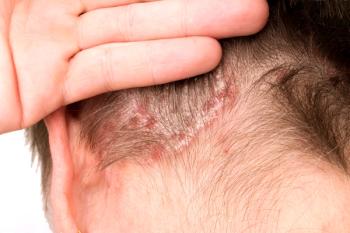
IL-23 inhibitor risankizumab outperforms TYK2 inhibitor deucravacitinib for PASI 90 in biologic-naive moderate plaque psoriasis.
IL-23 inhibitor risankizumab outperforms TYK2 inhibitor deucravacitinib for PASI 90 in biologic-naive moderate plaque psoriasis.

Dupilumab cut hand eczema severity (59.8% vs 15.2% with placebo), regardless of a patient's atopic history.

Christos Vaklavas, MD, discussed barriers limiting rural oncology access and challenges to adopting resource-intensive therapies.

Keith Kaye, MD, MPH, breaks down the institutional gaps, from antibiotic overuse to hand hygiene fatigue, that let Clostridioides difficile persist.

FDA cut required monitoring for tarlatamab’s first 2 doses from 22-24 hours to 6-8 hours, easing a barrier to community cancer care.

Shiven B. Patel, MD, MBA, shares strategies for closing biomarker testing gaps, including for patients with non–small cell lung cancer.

The ESC's 2026 heart failure guidelines overhaul HF classification, rename therapy categories, and add a new HFpEF recommendation.

The FDA cleared PrecivityAD2, a blood test from C2N Diagnostics that helps diagnose Alzheimer disease in adults as young as 40.

Reference countries have limited room to simply raise their own drug budgets to absorb the pressure, the lead study author explains.

Five August FDA approvals introduced novel therapies across vaccines, neurology, oncology, myeloma, and dermatomyositis, despite some regulatory pushback.
Trial, transplant equity gaps in AML; Texas Medicaid funding dispute; pediatric GLP-1 access gaps; earlier biologic use; eye care restores vision.

The first study of its kind links nighttime light exposure to structural heart changes among over 11,000 adults followed for 3 years.

Coverage of our peer-reviewed research and news reporting in the health care and mainstream press.

The FDA expanded accelerated approval of sevabertinib to previously untreated HER2-mutant non-squamous NSCLC, citing a 75% response rate in trial data.

This new study from the VHA also shows neither cytoreductive therapy nor phlebotomy clearly lowers thrombosis risk.

New Harris Poll data show mental health, access, and postpartum care gaps persist for US mothers, with Black and Hispanic women hit hardest.

GLP-1 prescribing among children aged 8 to 11 years with obesity rose 310-fold from 2019 to 2026, but use remains rare and unevenly distributed by income.

A higher weight-adjusted waist index (WWI) was independently linked to greater all-cause and CVD mortality in CKD, partly via inflammation.

The ACCESS program gave underinsured patients free specialty eye care at one center, restoring vision and cutting disability costs, a study found.

CMS is withholding $9.8 billion in Texas Medicaid hospital funding tied to CHIRP, costing hospitals $27 million a day in a tax dispute.

Yet Khor discusses why a 20% CT emphysema threshold, not spirometry alone, best identifies CPFE and predicts outcomes in fibrotic ILD.

A national study found comorbidities may drive worse long-term survival among patients with MASH awaiting or undergoing liver transplant.

Tozorakimab cut moderate/severe COPD exacerbations up to 34% in the phase 3 trials OBERON and TITANIA across smoking status and eosinophil levels.

FDA approved zilganersen (ZANVASTRO), the first disease-modifying treatment for Alexander disease, based on pivotal trial data.

Despite positive data, the study authors call for prospective validation before PRO burden is incorporated into broader risk-stratification approaches.

Lung transplant candidates are aging rapidly, while cystic fibrosis decline in children shifts pediatric transplant toward sicker, more complex patients.

CMS awarded NY, RI, and MI Rural Health Transformation Program funding to expand rural health care workforce and technology access.

Cleveland heart failure experts discuss the new HFpEF pathway, CKM screening gaps, and drug access barriers.

COPD care gaps, financial strain, and sex disparities negatively impact patient outcomes and quality of life, according to the findings of 2 posters.

A random survival forest model trained on 850 patients outperformed the Mayo Clinic and National Amyloidosis Centre staging systems for ATTR-CM.