

May 2026

Our associate editor recaps the annual conference of the Community Oncology Alliance, which took place just before Evidence-Based Oncology went to press. Look for full coverage in our June issue.
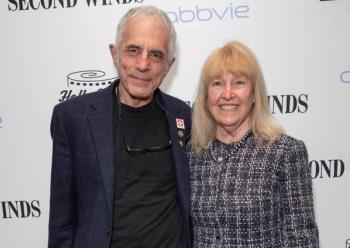
A CLL caregiver shares the reality of CAR T-cell therapy and why support for those who play this critical role will be essential to ensure access to these therapies.

US News & World Report reveals caregivers—often sandwich generation—face full-time hours, rising costs, burnout; CareYaya weighs in on demographics.
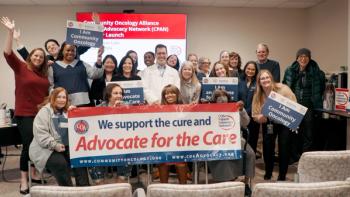
COA's Patient Advocacy Network, or CPAN, was featured in the "From Our Partners" section of the May issue of Evidence-Based Oncology.

Philadelphia oncology leaders tackle gaps in biomarker testing, breast cancer advances, myeloma innovation, and clinical trial equity.

Progressive care management approaches can enable meaningful, patient-centric outcomes without assuming risk.

Experts discussed value-based oncology care, CAR T-cell therapy access gaps, myeloma advances, and bispecific therapy challenges.

Experts examined oncology care innovation, access gaps to CAR T-cell therapy, advances in myeloma care, and partnerships in value-based care.
How patient experience and real-world evidence reshape hematology advances in rare disease and blood cancers, beyond clinical end points. This commentary will appear in the May issue of Evidence-Based Oncology.

Radioligand therapy expands patient access in community oncology, pairing precision imaging with safe local delivery so patients stay close to home. This commentary will appear in the May issue of Evidence-Based Oncology.

As physician shortages and burnout threaten the patient experience in oncology, The US Oncology Network works to scale solutions, including the use AI ambient scribes and other workflow fixes, as well as fostering self-care strategies.

Discussion covered lung cancer biomarker testing, care in hematologic malignancies, health equity in cancer screening, and medically integrated pharmacy dispensing
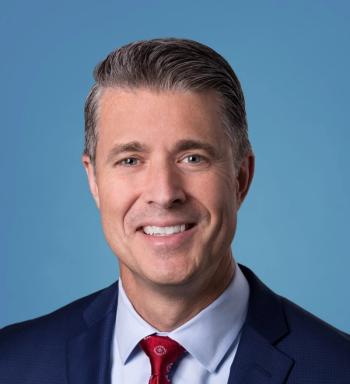
Todd Doyle, MD, of OneOncology, warns that commercial payers lag on updating bundled codes, which has slashed radiation oncology revenue and risks community cancer access in 2026.

Lalan Wilfong, MD, a medical oncologist well known for his work in practice transformation, said he looks forward to creating "something more or less from scratch."
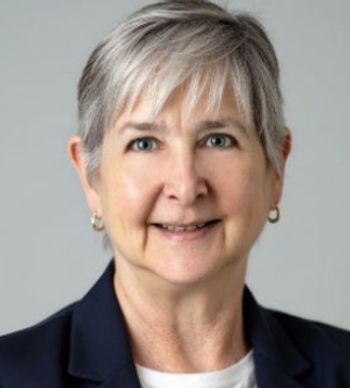
A phase 1 clinical trial specialist, Nancy L. Lewis, MD, MBS, FACP, most recently spent more than a decade at Novartis and was previously a faculty member at Fox Chase Cancer Center and Thomas Jefferson University Hospital.

Major health plans cut millions of preapproval hurdles, add 90-day continuity protections, and push real-time e-authorization to speed care access.

Mammography use fell significantly among younger, uninsured, and non-Hispanic White and Asian women from 2002-2022, with the 2009 USPSTF guideline change a likely driver.

Attempts to refine non–small cell lung cancer treatment selection have been limited by a lack of biomarkers, but recent research is expanding the potential landscape.

The law stems from the case of a beneficiary of the state workers health plan, repeatedly denied an alternative cancer treatment, only to be approved after he was too ill to be a candidate.

Half of working-age Medicaid enrollees face disenrollment under national work requirements, despite having greater functional impairment than those who would comply.

Medicare Advantage enrollees with advanced cancer had higher hospice use than those with traditional Medicare, highlighting disparities in end-of-life care.

Obesity enlarges organs, adding cells that raise liver, kidney, and pancreatic cancer risk, such that organ size may predict danger better than body mass index.
Advertisement
Advertisement