
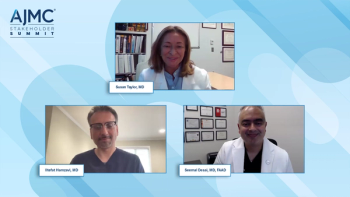
Vitiligo affects up to two percent of the population worldwide, yet payers and patients alike still misread it as cosmetic. Dr. Desai explains the autoimmune biology, systemic comorbidities, and diagnostic pitfalls that argue otherwise.
Vitiligo affects up to two percent of the population worldwide, yet payers and patients alike still misread it as cosmetic. Dr. Desai explains the autoimmune biology, systemic comorbidities, and diagnostic pitfalls that argue otherwise.
Vitiligo begins with oxidative stress and ends with CD8-positive T cells destroying melanocytes that cannot easily regenerate. Dr. Hamzavi maps the autoimmune cascade and the disease associations clinicians should watch for.
A careful physical exam, targeted laboratory testing, and a low threshold for biopsy remain the foundation of vitiligo diagnosis. Dr. Desai details the workup he uses with every new patient.
Three subtle physical findings can signal that vitiligo is about to spread. Dr. Hamzavi outlines the warning signs of active disease and the practical scoring approach he uses instead of research metrics.
Vitiligo care rarely stays within dermatology alone. The panel discusses when to loop in primary care, endocrinology, psychology, and patient support networks to address the disease's full burden.
Topical JAK inhibitors, phototherapy, and combination strategies now anchor first-line vitiligo treatment. Drs. Desai and Hamzavi compare their approaches and the evidence shaping how aggressively they treat localized disease.