


Oncology
Latest News
Advertisement
Latest Videos

Advertisement
More News
There are less surprises in the results for performance period 4 of the Oncology Care Model, and practices seem to be mostly happier with how they’ve done, said Mike Fazio, senior vice president of client services, Archway Health.
Lani M. Alison, BSN, MS, HCQ, PCMH, CCE, vice president of Clinical Affairs, Regional Cancer Care Associates, explains the questions that patients have about oncology care pathways and treatment guidelines.
The cost of radiation oncology services has typically been a small part of the Medicare and Medicaid budget, but with more patients having complex radiation treatments, it is becoming more important to have alternative payment models in the space, said Shalom Kalnicki, MD, FASTRO, FACRO, professor and chairman, radiation oncology, Montefiore Einstein Center for Cancer Care and Albert Einstein College of Medicine.

Unlike cancers common in adults, childhood cancers are unlikely to be prevented by screening.
Iuliana Shapira, MD, chief medical officer, Regional Cancer Care Associates (RCCA), discusses how RCCA is managing the higher costs of immuno-oncology drugs in value-based care.

Cancer treatment raises the risk of heart disease in childhood cancer survivors, as does diabetes and hypertension.

When seniors with cancer are being treated with combination therapies, providers need to keep in mind more than just the complex regimens they’re administering, said Ginah Nightingale, PharmD, associate professor of pharmacy practice at Jefferson College of Pharmacy.

Finding a cure for pancreatic cancer, which is among the deadliest cancers, will require both systemic therapy and local therapy, researchers said.

A new study shows a lack of racial and ethnic diversity in clinical trials for cancer drugs, highlighting issues currently being addressed by the FDA.
Lani M. Alison, BSN, MS, HCQ, PCMH, CCE, vice president of Clinical Affairs, Regional Cancer Care Associates, discusses how providers discuss the Oncology Care Model (OCM) with patients and the questions they ask about it.

AJMC®TV interviews let you catch up on what’s new and important about changes in healthcare, with insights from key decision makers—from the clinician, to the health plan leader, to the regulator. When every minute in your day matters, AJMC®TV interviews keep you informed. Access the video clips at ajmc.com/interviews.
Chronic pain, obesity and cancer, multiple myeloma patterns, pancreatic cancer screening updates, and more.
Coverage from the National Comprehensive Cancer Network Policy Summit held June 27, 2019, in Washington, DC.
The fault, dear Brutus, is not in our stars, but in ourselves... Julius Caesar (I, ii, 140-141)

Scientists uncovered a rare, inherited gene mutation, known as RABL3, that raises the risk of pancreatic and other cancers.
The founder of Oneinforty discusses the importance of identifying populations at high risk of hereditary cancers, as well as the need for education, testing, and other steps to prevent cancer.
The Institute for Value-Based Medicine®, an initiative of The American Journal of Managed Care®, traveled to Teaneck, New Jersey, for presentations in partnership with Regional Cancer Care Associates.
A 28% reduction in hospital admissions leads to a broader agreement, the physicians' group and payer say.
A review of the documentary on the life of James P. Allison, PhD, of The University of Texas MD Anderson Cancer Center, co-winner of the 2018 Nobel Prize in Physiology or Medicine.

On this episode of Managed Care Cast, we’re bringing you a portion of a panel discussion about the Oncology Care Model, held in July 2019 during a meeting of The Institute for Value-Based Medicine® (IVBM), an initiative of The American Journal of Managed Care®. At IVBM events, we gather thought leaders to share best practices across medicine, pharmacy, and management in regional locations around the country. This podcast is taken from our meeting focusing on Innovation and Quality in Oncology Care.
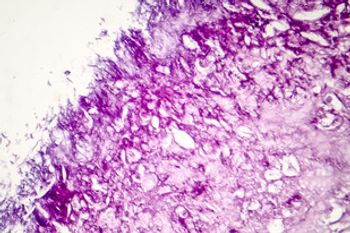
As survival rates for malignant melanoma increase, so does the likelihood that some patients will develop second primary cancers.
Every week, The American Journal of Managed Care® recaps the top managed care news of the week, and you can now listen to it on our podcast, Managed Care Cast.

Weeks after the first 2 anticancer biosimilars entered the US market, OneOncology announced that its partner practices have already started administering the drugs.
Innovation is being used to improve quality metrics in oncology care at the patient forefront and in data, explained Lani M. Alison, BSN, MS, HCQ, PCMH, CCE, vice president of Clinical Affairs, Regional Cancer Care Associates.

A single-dose human papillomavirus (HPV) vaccination strategy could be effective in less developed countries, where cost is in consideration.
Advertisement
Advertisement
Trending on AJMC
1
TrumpRx Launch Brings Savings—and Uncertainty
2
As Cencora Closes With OneOncology, Patton Says Terms Show “Trust”
3
Benefits, Tradeoffs of Medically Integrated Dispensing in Oncology Care: Katherine Tobon, PharmD, BCOP
4
Asundexian Reduces Risk of Stroke Recurrence in Phase 3 OCEANIC-STROKE Trial
5