
The 64th American Society of Hematology (ASH) Meeting & Exposition will run Saturday through Tuesday in New Orleans, Louisiana, at the Ernest N. Morial Convention Center.
The 64th American Society of Hematology (ASH) Meeting & Exposition will run Saturday through Tuesday in New Orleans, Louisiana, at the Ernest N. Morial Convention Center.
Irene M. Kang, MD, from City of Hope, shared some of the results from her analysis of cognitive impairment in women with breast cancer who participated in the RxPonder study, which assessed which patients would benefit most from chemotherapy.

A session at the 2022 American Society of Health-System Pharmacists Midyear Clinical Meeting & Exhibition reviewed some trends in the 340B drug pricing programs and Medicaid.
There is new data coming out on complementary and alternative therapies for dementia, including supplements, mindfulness techniques, exercise, music therapy, and more, said Kalin Clifford, PharmD, BCGP, BCPS, FASCP, associate professor, Geriatrics Division, Texas Tech University Health Sciences Center, Jerry H. Hodge School of Pharmacy.
Emma Searle, PhD, consultant hematologist, The Christie Hospital NHS Foundation Trust, touches on key points learnt from MajesTEC-2 data and other data to look forward to at the 64th American Society of Hematology (ASH) Annual Meeting and Exposition.
Some of the latest trends in the health-system pharmacy space are ones that have already been around for a while, and organizations will need to understand how to address them at the local level, explained Marie A. Chisholm-Burns, PharmD, PhD, MPH, MBA, FCCP, FASHP, FAST, executive vice president and provost at Oregon Health and Science University.
Costs are an adverse effect of treatment just like any other adverse effect, with slightly more patients worried about the financial impact of their cancer diagnosis than they are about actually dying from their disease, noted Fumiko Chino, MD, of Memorial Sloan Kettering (MSK) Cancer Center.
Once patients with HIV start treatment, pharmacists can play a key role in addressing patient accessibility and affordability of HIV treatments and promoting adherence, said Dena Behm Dillon, PharmD, AAHIVP, HIV clinical pharmacy specialist, University of Iowa Health Care.
A partnership between a university and the local Black community in San Bernadino County, California, illustrated how pharmacists can actively work to improve vaccine uptake in their communities.
There are many risk factors for developing postoperative nausea and vomiting (PONV), but a simplified risk score can help with assessing those risk factors, said Jawad N. Saleh, PharmD, BSPharm, BCCCP, BCPS, clinical manager of pharmacy services, Hospital for Special Surgery.

Can a patient with metastatic cancer on immune checkpoint inhibitor (ICI) therapy use acetaminophen for pain? What about medical marijuana? And does the gut microbiome play a role? With more than a decade of real-world experience with ICIs, pharmacists learned about the potential role of these and other factors during a session at the 2022 American Society of Health-System Pharmacy Midyear Clinical Meeting & Exhibition.
Pharmacists can play an important role in dispelling myths about vaccines, as well as identifying patients who are eligible for vaccinations that they haven’t yet received, said Jacinda C. Abdul-Mutakabbir, PharmD, MPH, AAHIVP, assistant professor of pharmacy practice, Loma Linda University.

A clinical pharmacy specialist with the Department of Veterans Affairs (VA) described how the department is trying to address the needs of female veterans, including their reproductive health, as well as addressing disparities in chronic diseases.
Intravenous (IV) robotic technology brings advantages for pharmacy staff, but there are also accuracy issues with the technology. In addition, this technology will not be replacing a pharmacy technician job, said Scott Soefje, PharmD, MBA, BCOP, FCCP, FHOPA, director of pharmacy cancer care and assistant professor of pharmacy, Mayo Clinic.

The increasing complexity and costs of oncology care and resulting patient financial toxicity is driving more health systems to adopt oncology stewardship principles in their pharmacy practices, according to a session at the American Society of Health-System Pharmacists (ASHP) 2022 Midyear Clinical Meeting & Exposition.
Neil Iyengar, MD, from Memorial Sloan Kettering Cancer Center, is expecting updates on therapies to fight human epidermal growth factor 2 (HER2)–positive breast cancer and novel antibody drug conjugates at the upcoming San Antonio Breast Cancer Symposium (SABCS).
The annual San Antonio Breast Cancer Symposium (SABCS) will once again take place in a hybrid fashion, with in-person attendees returning to the Henry B. Gonzales Convention Center to hear the latest clinical and basic research, as well as see several of their peers receive awards for their contributions to the space.

Because of the COVID-19 pandemic, the last 2 years have been virtual; the organization previously met in Las Vegas in 2019 and 2016.
Marie A. Chisholm-Burns, PharmD, PhD, MPH, MBA, FCCP, FASHP, FAST, executive vice president and provost at Oregon Health and Science University, is receiving the award, which is presented to individuals who demonstrate excellence in pharmacy practice leadership.

At the American Society of Health-System Pharmacists (ASHP) 2022 Midyear Clinical Meeting & Exposition, Angela M. Hill, PharmD, CPh, RPh, professor and associate dean of clinical affairs; project director, WE-CARE, University of South Florida Taneja College of Pharmacy, will receive the ASHP-ABHP Joint Leadership award for her leadership in addressing health equities.
Data on empagliflozin in chronic kidney disease (CKD) showed the drug had similar efficacy across subgroups, but more data is needed to really understand the benefit of the drug in CKD, said Jennifer Green, MD, professor of medicine at Duke University School of Medicine, member of Duke Clinical Research Institute, and EMPA-KIDNEY collaborator.

The studies reviewed estimates of economic and humanistic impact on both patients with chronic kidney disease (CKD) as well as their caregivers.
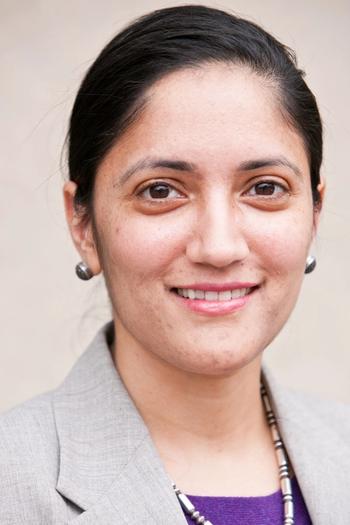
Former Obama administration official Kavita Patel, MD, MS, told a gathering of the OneOncology Physician Leadership Conference that policy leaders and members of Congress need input on the realities of oncology practice finances.

Edward Licitra, MD, PhD, who is CEO of Astera Cancer Care, based in East Brunswick, New Jersey, and Edward “Ted” Arrowsmith, MD, of the Chattanooga office, Tennessee Oncology, shared ideas during a panel discussion at the OneOncology Physician Leadership Conference, held Friday through Sunday in Nashville, Tennessee. Sheri Chatterson, MSM, MBA, CFHP, vice president of payer relations at OneOncology, led the discussion.
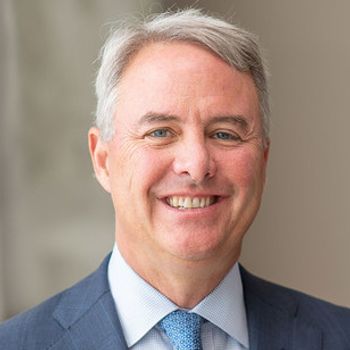
Jeff Patton, MD, CEO of OneOncology, kicks off the first annual Physician Leadership Conference by outlining the competitive challenges for community practices and leads a discussion with Adam Boehler, former head of the Center for Medicare and Medicaid Innovation.
The disease groups that make up the OneOncology clinical pathways program cover 90% of patients with cancer and develop best practices for treating cancer in the majority of patients, said Edward “Ted” Arrowsmith, MD, MPH, managing partner and director of research, East Tennessee Division, Tennessee Oncology.
The OneOncology Annual Conference is being held November 11-13 in Nashville, Tennessee, and brings together practice leaders, physicians, and advanced practice providers to discuss the business of oncology and scientific advancements, explained Davey Daniel, MD, chief medical officer of OneOncology.
For the US health care system to be appropriately patient-centered, clinical trials need to be reflective of the country's diversity, said Joseph Alvarnas, MD, vice president of government affairs and senior medical director for employer strategy at City of Hope.
Debra Patt, MD, PhD, MBA, executive vice president of public policy and strategic initiatives at Texas Oncology, expands on her keynote address at the 2022 meeting of Patient-Centered Oncology Care®, which focused on DESTINY-Breast04 study findings and their applicability to managed care.
Representatives across 12 disease groups make up a council that sets clinical recommendations for oncology care and those decisions are being pushed out in the electronic medical record for decision support at the point of care, said Jeffrey Patton, MD, CEO, OneOncology, and executive chairman of the board, Tennessee Oncology. Patton will lead off OneOncology's Physician Leadership Conference, which runs November 11-13 in Nashville.