





Cardiovascular
Latest News
Advertisement
Latest Videos


Advertisement
More News

Online health discussions can influence patient behaviors, but misinformation spreads easily. Khush Kharidia, MD, UT Southwestern, explains how creator credibility impacts cholesterol-related health information.

SGLT2 inhibitors may worsen heart failure outcomes from chemotherapy, highlighting the need for further long-term studies on cardiotoxicity, explains Rakendu Rajendran, MBBS.

Lindsey Valenzuela, PharmD, explains how value-based models empower a single pharmacist to manage multiple layers of these disease states.
Lindsey Valenzuela, PharmD, explains how pharmacists can prevent drug interactions and improve coordination for women with arrhythmia and chronic disease.
Lindsey Valenzuela, PharmD, explains how cost, coverage gaps, and tech literacy hinder women’s access to early arrhythmia detection tools.
Lindsey Valenzuela, PharmD, explains how atypical symptoms, research gaps, and care inequities delay arrhythmia detection in women.

Primary aldosteronism is often overlooked in hypertension. Educating providers and utilizing tools can enhance screening and treatment effectiveness, emphasizes Vivek Bhalla, MD, Stanford.

Research reveals that patients with both rheumatoid arthritis and MASH cirrhosis face significantly higher cardiovascular risks.

New findings reveal sotatercept's significant benefits for right ventricular function and tricuspid regurgitation in pulmonary arterial hypertension.

From 2017 to 2023, women were especially underrepresented in trials in arrhythmia, coronary heart disease, acute coronary syndrome, and heart failure.

The drug lowered inflammation, oxidative stress, and endothelial injury markers in women with INOCA and coronary microvascular dysfunction.

Patients’ misperceptions of statins and physicians’ limited knowledge of a hypercholesterolemia safety-net program warrant additional interventions to reduce barriers and improve care.

Renal Denervation Shows Durable Blood Pressure Benefits in Key Trials: Deepak L. Bhatt, MD, MPH, MBA
Renal denervation modestly lowers blood pressure, with durable long-term benefits, according to Deepak L. Bhatt, MD, MPH, MBA.

Evolocumab is now indicated for adults who don’t have a prior cardiovascular disease diagnosis.

The American Society for Preventive Cardiology (ASPC) marked its 40th anniversary this year at the ASPC Congress on CVD Prevention in Boston, held August 1-3, with 3 days of debates, presentations, oral abstracts, and posters.

Women who experienced stalking or intimate partner violence were 40% more likely to self-diagnose an adverse cardiovascular event compared with women who did not.

Ambulatory cardiac monitors’ clinical and economic outcomes vary; one long-term continuous monitor brand showed greater arrhythmia diagnosis, fewer retests and cardiovascular events, and lower health care resource use and costs.

A real-world study found that semaglutide prescriptions were associated with improvements in weight, blood pressure, and cholesterol, but also a $80 monthly rise in health care spending outside of drug costs.
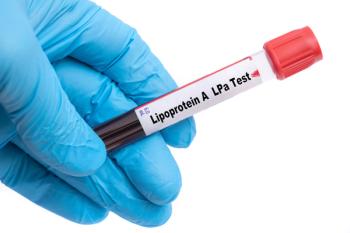
A new American Heart Association initiative is working to increase screening for lipoprotein(a) (Lp[a]) at community health centers nationwide to help address undetected cardiovascular risk.
Explore innovative strategies to enhance heart failure treatment through guideline-directed medical therapy, remote monitoring, and artificial intelligence–driven solutions for better patient outcomes.
In this retrospective study, Rakendu Rajendran, MBBS, and colleagues found higher rates of myocardial infarction and major adverse cardiovascular events in males and increased stroke incidence in females, among cannabinoid users.

Varsha Tanguturi, MD, cardiologist and DETECT AS investigator, presented new data on how the findings she and her colleagues saw indicate almost universal increases in rates of aortic valve replacement in patients with severe aortic stenosis (AS), across both provider and patient groups.

Khush Kharidia, MD, a third-year internal medicine resident at UT Southwestern, presented the oral abstract, “Evaluating the Quality, Accuracy and Health Impact of Cholesterol-Related Content on TikTok: A Social Media Analysis,” at ASPC 2025 Congress on CVD Prevention.

Alexandra M. Trevino, MD, of Northwestern Medicine presented the oral abstract, "Trends in New-Onset Hypertensive Disorders of Pregnancy Among US Adults by Place of Birth and Hispanic Ethnic Origin Group," on day 1 of the ASPC Congress on CVD Prevention.

This global study found rising rates of pediatric hypertension, highlighting obesity's impact and the need for improved monitoring and prevention strategies.
Advertisement
Advertisement
Trending on AJMC
1
Coroner Reports Pennsylvania's Sixth Measles-Associated Death
2
CMS Rule Ends Medicaid, CHIP Funding for Pediatric Gender Care
3
MedHaul Closes Care Gaps With Single Stop for Getting Patients to Appointments
4
FDA Approves First Treatment for BCG-Unresponsive Bladder Cancer
5