



Cardiovascular
Latest News
Advertisement
Latest Videos

Advertisement
More News
Recor Medical announced the FDA approval of its Paradise Ultrasound Renal Denervation system for the treatment of hypertension on November 7, 2023.
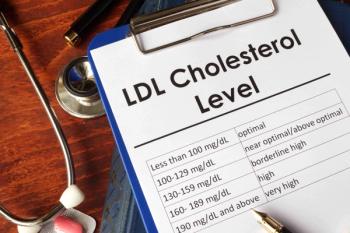
The prevalence of severely elevated low-density lipoprotein cholesterol (LDL-C) has declined in recent decades, but 1 in 17 US adults in a recent analysis had levels of LDL-C that would warrant consideration of pharmacotherapy, and 1 in 48 had high levels of LDL-C that are indicated for medication.
The first-of-its-kind Aurora EV-ICD system offers a single-device, single procedure with a lead placed outside of the heart and veins.

Researchers noted that adverse pregnancy outcomes are more of an indicator of pre-pregnancy cardiovascular risk rather than a primary cause of postpartum risk.

A 5-year randomized trial showed that the Million Hearts Model, which paid health care organizations to monitor and reduce cardiovascular disease (CVD) risk, was effective in reducing first-time heart attacks and strokes without associated increases in Medicare spending.

Updated vaccines are on their way to US pharmacies; importance of early diagnosis and treatment for individuals at risk of cardiovascular disease; Walgreens pharmacists stage their own protest.
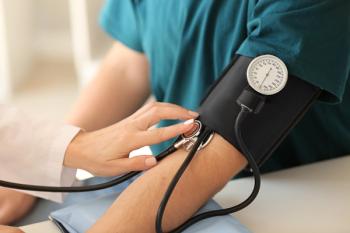
An analysis of more than 1 million men found higher blood pressure in late adolescence was associated with an increased risk for major cardiovascular events in later life.

Shrilla Banerjee, MD, FRCP, consultant cardiologist, Surrey and Sussex Healthcare NHS Trust, shares what politicians and clinical trialists can do to help mitigate cardiovascular health disparities.

The cohort study focused on annual incidence, prevalence, and mortality linked to a number of cardiovascular conditions between 2015 and 2019.

In their latest recommendation statement, the US Preventive Services Task Force (USPSTF) recommends blood pressure screening for all pregnant individuals to detect hypertensive disorders.
Patients now have higher expectations of us health care professionals, and we have to meet those expectations, said Donna Fitzsimons, PhD, FESC, professor of nursing at the School of Nursing and Midwifery, Queen's University Belfast.
Secondary effects not only improved past 16 weeks, but showed a sustained improvement at week 56 of mavacamten, said Milind Desai, MD, MBA, director of the Hypertrophic Cardiomyopathy Center and vice chair of education at the Heart, Vascular & Thoracic Institute, Cleveland Clinic.

Over the past 20 years, the age-adjusted mortality rate for obesity-related cardiovascular mortality increased by 415% for American Indian or Alaska Native individuals.

Across 65 cardiovascular guidelines with nearly 7500 specific recommendations published 2012-2022, only 170 recommendations directly incorporated shared decision-making.
After 16 weeks on placebo, patients in the control group were invited to start mavacamten alongside the treatment group, explained Milind Desai, MD, MBA, director of the Hypertrophic Cardiomyopathy Center and vice chair of education at the Heart, Vascular & Thoracic Institute, Cleveland Clinic.
The authors found shifting patterns in the effects of obesity, alcohol, and smoking on atrial fibrillation.

Investigators conducted this subanalysis among patients aged 20 to 27 years, using data from the National Growth and Health Study to determine potential racial differences in left ventricular mass among female patients with obesity.

The decrease in e-cigarette use between 2014 and 2019 may be linked to improved education on the harms of the devices, while the increase in 2019 could be attributed to worsened psychological burden during the COVID-19 pandemic.
The Panicos are on a mission to change how we think about gout. Why? As a husband-and-wife DO duo, the Panicos each have a unique perspective on gout and how physicians in their respective fields can better collaborate to help patients who live with this systemic disease.

Stephen Nicholls, PhD, MBBS, Monash University and Victorian Heart Hospital, explains how he works closely with patients and study sites in SURPASS-CVOT to avoid weight loss drug discontinuation and weight regain.

New research shows that in vitro fertilization with or without intracytoplasmic sperm injection and the use of fresh or frozen embryo transfers were not associated with an increased risk of cardiovascular disease (CVD) for the mother.

Postpartum cardiovascular health counseling dropped slightly from 2016 to 2020, both for individuals with and without cardiovascular disease risk factors.

G.B. John Mancini, MD, University of British Columbia, goes into detail about the recruitment process of the VICTORION-2-PREVENT trial, which focuses on inclisiran to reduce cardiovascular risk.
Stephen Nicholls, PhD, MBBS, Monash University and Victorian Heart Hospital, expands on the patient characteristics and potential impacts of COVID-19 on SURPASS-CVOT, the phase 3 cardiovascular outcomes trial for tirzepatide.
Among people living with HIV receiving antiretroviral therapy, those taking 4-mg pitavastatin daily were 35% less likely than those taking placebo to experience a major cardiovascular event over 5 years of follow-up.
Advertisement
Advertisement
Trending on AJMC
1
Coroner Reports Pennsylvania's Sixth Measles-Associated Death
2
CMS Rule Ends Medicaid, CHIP Funding for Pediatric Gender Care
3
MedHaul Closes Care Gaps With Single Stop for Getting Patients to Appointments
4
FDA Approves First Treatment for BCG-Unresponsive Bladder Cancer
5