


Cardiovascular
Latest News

What We're Reading: Google, Ascension Plan Draws Scrutiny; Vascepa Goes Before FDA; Verma Defends Medicaid Changes
By AJMC Staff
Advertisement
Latest Videos

Advertisement
More News

Cleveland Clinic announced the top 10 medical innovations for 2020, which details the medical advancements that have the potential power in transforming healthcare in the next year, at a multimedia presentation during the 2019 Medical Innovation Summit.
A recent study investigating the cardiovascular contribution to COPD symptoms and their relationship to a patient's diagnostic status found that patients with suspicious echocardiographic findings were undiagnosed and untreated.

Predetermined topics to be discussed by the 2020 dietary guidelines committee failed to mention risks correlated to red meat, processed foods, and appropriate sodium intake, which contribute to the impending epidemic of lifestyle diseases.

Less than 6 hours of sleep, as well as durations of longer than 9 hours, are associated with a greater risk of heart attack, according to a new study.

Young men with a lower level of cardiovascular fitness had a higher risk of developing migraines, according to a recent national, population-based cohort study from Sweden.

Studies on PCSK9 inhibitors, evolocumab and alirocumab, promote new guidelines for dyslipidemia management through lipid modification to reduce cardiovascular risk.
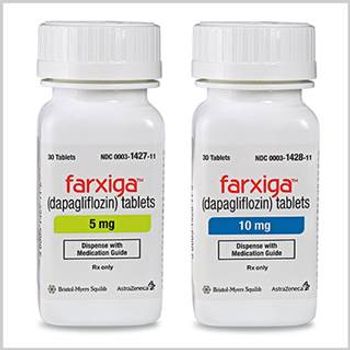
Dapagliflozin Cuts Risk of CV Death, Worsening of Heart Failure 26%, Whether Diabetes Present or Not
Dapagliflozin, sold by AstraZeneca as Farxiga, cut the risk of cardiovascular (CV) death and worsening of heart failure (HF) by 26% among patients with reduced ejection fraction alongside standard of care, according to results of a landmark phase 3 study presented Sunday at the European Society of Cardiology 2019 Congress. Results confirmed that the sodium glucose co-transporter 2 (SGLT2) inhibitor, already approved to treat type 2 diabetes (T2D), is just as effective in preventing CV death and HF events in patients who do not have T2D.
Data in the real-world study included a large share of patients over the age of 80, who are representative of those doctors see in clinical practice.
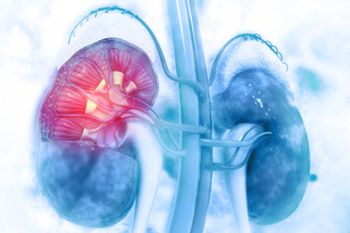
Dapagliflozin’s fast track designation follows findings from last year’s DECLARE-TIMI trial, a cardiovascular outcomes trial that showed the drug’s significant impact on delaying the loss of kidney function and reducing hospitalization risk for heart failure.
Studies on anticoagulants and SGLT2 inhibitors, and guidelines for dyslipidemia and more are anticipated at the meeting.

Researchers found evidence correlating toxic air pollutants to increased respiratory and cardiovascular death rates.
Interest in omega-3 fatty acids have increased since publication of the results of REDUCE-IT.

People who have better cardiovascular health, as scored by the American Heart Association's Life's Simple 7, at age 50 have a lower risk of developing dementia over the next 25 years, according to a new study.

Patients were 16% more likely to have a cardiovascular event if their prescription was rejected and 21% more likely to have a cardiovascular event if they did not fill their prescription.
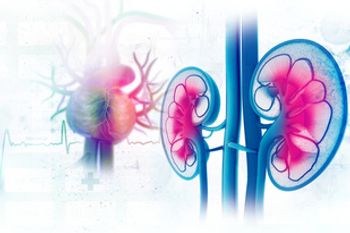
Following an executive order from President Donald Trump, HHS announced the launch of Advancing American Kidney Health, an initiative to improve the health of the 37 million Americans living with kidney disease, by releasing 5 new payment models.
Coverage of DECLARE, CARMELINA, and other studies that highlight the connection between diabetes and renal outcomes
Here are the top 5 articles for the month of June.
Presentations at 2 major scientific conferences showed that the SGLT2 inhibitor cut the risk of renal failure or death by 30% and had renal benefits for patients with and without previous cardiovascular disease.
Two doctors of pharmacy review the impact of recent outcomes trials for newer classes of type 2 diabetes therapy.
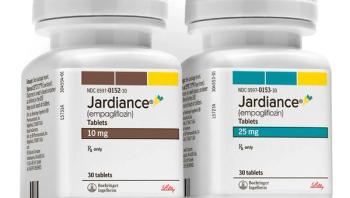
The EMPEROR trials could lead to new indications for the SGLT2 inhibitor for patients with and without diabetes.
Evidence that newer type 2 diabetes therapies offer cardiovasular and renal benefits offer opportunities for greater collaboration among specialists and more value for patients. Payers must take notice.

Merck's Center for Observational and Real-World Evidence has spent several years gathering evidence on clinical inertia and is now working on solutions to overcome it at the point of care.
There was something for everyone at the American Diabetes Association (ADA) Scientific Sessions, held June 7-11, 2019, in San Francisco, California.
The final morning session of the 79th Scientific Sessions of the American Diabetes Association (ADA) in San Francisco, California, featured more cardiovascular and renal results from recent trials involving type 2 diabetes drugs.
The connections among diabetes, cardiovascular (CV) disease, and kidney failure have been a theme of the 79th Scientific Sessions of the American Diabetes Association, which featured a joint session with the American Society of Nephrology.
Advertisement
Advertisement
Trending on AJMC
1
Coroner Reports Pennsylvania's Sixth Measles-Associated Death
2
CMS Rule Ends Medicaid, CHIP Funding for Pediatric Gender Care
3
MedHaul Closes Care Gaps With Single Stop for Getting Patients to Appointments
4
FDA Approves First Treatment for BCG-Unresponsive Bladder Cancer
5