






Clinical
Latest News
Advertisement
Latest Videos




CME Content


Advertisement
More News

While urologists and oncologists agreed on many barriers and facilitators of first-line treatment intensification for metastatic castrate-sensitive prostate cancer, there were also a number of differing beliefs, including whether there is enough clinical support.

In addition to her advanced age and obesity status, the patient had a history of pulmonary embolism managed with an inferior vena cava filter, increasing her risk of thrombosis.

Patients diagnosed with ovarian cancer (OC), particularly those older than 60 years or with a disease duration exceeding 5 years, had a higher incidence of subsequent dry eye disease (DED), suggesting a potential correlation between OC and DED.

A novel program utilizing an approach to defragment care for patients with end-stage kidney disease (ESKD) resulted in better patient outcomes.

Chris Pagnani, MD, medical director and founder of Rittenhouse Psychiatric Associates in Philadelphia, explains the importance of offering college students consistent care via telehealth while collaborating with their campus counseling centers.

The case of a 77-year-old woman with a long chronic lymphocytic leukemia (CLL) history illustrates the novel use of zanubrutinib as a potential option for some patients who have failed first-generation Bruton tyrosine kinase (BTK) inhibitors and venetoclax.

Results featured at the Academy of Managed Care Pharmacy 2024 annual meeting revealed a pattern of prior authorization rejections that could delay necessary therapeutic treatments for various patient groups.

A breast medical oncologist reviews oral SERDs currently in development for the treatment of patients with ER+/HER2 metastatic breast cancer, highlighting camizestrant, imlunestrant, and giredestrant.
Focusing on elacestrant, Dr Graff discusses the role of oral SERDs (selective estrogen receptor degraders) in the treatment of patients with ER+/HER2- metastatic breast cancer.

Ascension Health was hit with a cyberattack; a new federal policy is aimed at integrating Medicare and Medicaid coverage; the CDC is planning to post data on influenza A found in wastewater in a public dashboard.
Risk assessments of drug-related problems for cardiac surgery patients can be conducted by implementing a framework for patient safety.
Speakers at the 2024 American Urological Association (AUA) annual meeting highlighted the innovations and advancements that are pushing the field of urology forward.

Posters presented at the ISPOR—The Professional Society for Health Economics and Outcomes Research meeting explored Duchenne muscular dystrophy (DMD) caregiver experiences and gene therapy’s impact on work opportunities for caregivers.

The optimal negative margin required following surgical resection and perioperative radiotherapy for extremity soft tissue sarcoma (STS) remains up for debate, with investigators of a new study using Union for International Cancer Control classification to define resection margin.

Three posters from the American Urological Association (AUA) 2024 Annual Meeting focused on urinary incontinence in female athletes, prenatal care for fetuses with spina bifida in California, and the experiences of women residents at the Brady Urological Institute.

Pembrolizumab has existing indications in endometrial cancer.

Asking patients about their diet is important when evaluating for adult-onset asthma, allergic disease, and aspirin-exacerbated respiratory disease (AERD).

Research shows a high prevalence of cardiovascular-kidney-metabolic (CKM) syndrome among adults; tackling mental health and substance abuse nationwide; a delayed meeting allows for surveillance data collection to inform recommendations.

Celiac disease (CD) may independently increase mortality risk among patients with microscopic colitis (MC), indicating a potential association between the conditions.
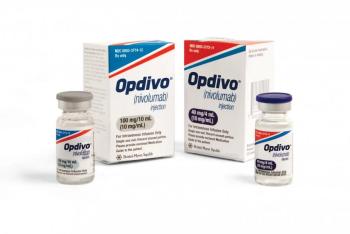
Some experts believe offering a subcutaneous version of nivolumab could make PD-1 inhibitors available to new groups of patients who currently lack access, such as those in rural areas.

This study introduces a novel "all-in-one" strategy combining CD7 chimeric antigen receptor T-cell therapy with haploidentical hematopoietic stem-cell transplantation, showing significant potential to improve survival and reduce toxicities in patients with relapsed or refractory CD7-positive hematologic cancers.

New therapies being developed are moving into earlier lines of therapy, with the idea that most patients with early-stage prostate cancer will progress and need additional therapy later.
In the series debut episode of "Frameworks for Advancing Health Equity," Mary Sligh, CRNP, and Chelsea Chappars, of Allegheny Health Network, explain how the Urban Health Outreach program aims to improve health equity for individuals experiencing homelessness.

Findings from the FAMS-T1D study demonstrate that structured goal-setting and achievement significantly enhance self-efficacy and self-care in emerging adults who have type 1 diabetes (T1D).
For patients prescribed diabetes, hypertension, and hyperlipidemia medications, nonadherence to CMS Star Ratings quality measures of medication adherence was associated with increased health care resource utilization and costs.
Advertisement
Advertisement