





Clinical
Latest News
Advertisement
Video Series

Latest Videos







Shorts

0:43
A Surprising Find on Vaccine Adverse Effects: Michael Mina, MD, PhD
12 hours ago
by
Sabrina McCrear(+1 more)

0:48
The Word That Changes Parent Minds
12 hours ago
by
Sabrina McCrear(+1 more)
0:40
Why a Stem Cell Transplant May Not Be Needed in ALL
6 days ago
by
Emily K. Curran, MD(+1 more)

0:46
Lucio N. Gordan, MD, Explains the Difficulties of Clinical Research
13 days ago
by
Giuliana Grossi(+1 more)

1:17
All-Oral Bedaquiline Regimen Offers New Option for Refractory MAC
15 days ago
by
Connie Buckmaster(+1 more)
1:00
ENCORE Trial Takeaways: No Longer A Waiting Game
16 days ago
by
Ashley Losier, MD(+1 more)
0:35
Can You Tell the Difference: Flu vs COVID-19 Symptoms in Kids
19 days ago
by
Sabrina McCrear(+1 more)

0:34
Future Challenges in CPFE Research, Treatment: Yet Khor, MD, PhD
a month ago
by
Sabrina McCrear(+1 more)

2:05
Bridging Geographic Gaps in Specialized Cancer Care: Christos Vaklavas, MD
a month ago
by
Brooke McCormick(+1 more)

1:34
Multidisciplinary Care in COVID-19: Marc A. Sala, MD
2 months ago
by
Sabrina McCrear(+1 more)
Podcasts





Advertisement
More News

Medicaid expansion was associated with lower colorectal cancer mortality, with the largest reductions in Hispanic patients and stage IV disease.

Cepheid's Connie Savor, MD, MBA, explains where its 13-pathogen respiratory panel fits in diagnostic stewardship and antibiotic decisions.

The FDA approves atezolizumab with a fluoropyrimidine and oxaliplatin as adjuvant therapy for stage III dMMR colon cancer based on the ATOMIC trial.

Michael Mina, MD, PhD, explains Invivyd's accelerated approval path for VYD2311 and how it could change the timing of COVID-19 protection.

Biomarker-driven care is advancing in mantle cell lymphoma, though cost and infrastructure limit access in community oncology, according to a review.

Fibrosis stage, not MASH resolution, best predicts mortality, which should shape trial end points, says Georgetown's Zobair Younossi, MD, MPH.

Remibrutinib (Rhapsido; Novartis) is the only treatment with approved uses in both chronic spontaneous urticaria and symptomatic dermographism.
Michael Mina, MD, PhD, explains which adverse events drove VYD2311's edge vs an mRNA COVID-19 vaccine and who may benefit most.

A CHOP neonatologist explains how misinformation fuels vitamin K shot refusals and how public health messaging can meet parents where they are.

Lean MASLD shows milder histology than overweight and obese MASLD but similar mortality and event risk, with fibrosis tied to prognosis.

Transplant is no longer the default for young, fit patients with a good donor if they achieve MRD-negative status, says Emily K. Curran, MD

The same AAT level can mean very different protease burdens in two patients. Severe deficiency drives the highest risk, yet carriers and unusual alleles complicate any simple relationship between numbers and disease.

The study's own senior author walks through its design, then reveals meaningful differences in weight gain, akathisia, and sedation risk that should inform how clinicians and payers evaluate these agents.
Decades of guidelines have recommended testing every patient with COPD, yet testing remains rare. The panel examines who gets missed, why clinicians believe they can spot AATD, and what health plans can do.

Hepatitis reports after vaccination were more often serious in children, but the data lack dose counts and cannot show vaccine-specific risk.

Asthma costs extend well beyond the emergency department, into lost schooling, reduced earning potential, and steroid harm, which sharpens the case for recognizing uncontrolled disease and escalating care promptly.
Most patients with asthma carry a type 2 inflammatory signature, and the sickest fifth of them account for the bulk of an $80 billion annual burden.

The Autus Size-Adjustable Valve, which can be expanded as children grow, may reduce the need for repeat open-heart surgeries for congenital defects.

Cathy Eng, MD, explains how young adults with cancer face career, fertility, and body image concerns as well as where to find support.
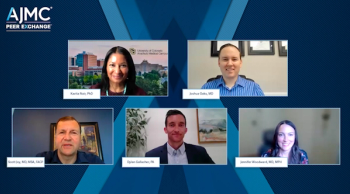
Led by the moderator, the panelists examined the core lessons from the series.
The panelists examined whether a new subcutaneous monoclonal antibody formulation, paired with telehealth cognitive evaluations, at-home phlebotomy, and remote ARIA monitoring, could extend Alzheimer's disease treatment beyond brick-and-mortar infusion centers into rural and underserved communities.

Michael Wechsler, MD, of National Jewish Health, discusses how twice yearly depemokimab reduces exacerbation risk in patients with T2 asthma.

Phase 3 wins for ianalumab and dazodalibep bring targeted therapies closer for Sjögren disease as patients face diagnostic delays and high costs.

Although PMOS Awareness Month has ended, the conversation continues, with experts saying closing diagnostic and care gaps requires ongoing efforts.

Sean Wharton, MD, PharmD, discusses new data on survodutide from the phase 3 SYNCHRONIZE-2 trial.
Advertisement
Advertisement
Trending on AJMC
1
Medicare Drug Price Negotiations Yield Uneven Out-of-Pocket Savings
2
Rusfertide Keeps Working Where Hydroxyurea Fades: Andrew Kuykendall, MD
3
CMS Rule Ends Medicaid, CHIP Funding for Pediatric Gender Care
4
Lymphoma Outcomes Hinge on Oncology, Not Viral Load In People With HIV
5