-- Days : -- HRS : -- MIN : -- SEC
Register Now →

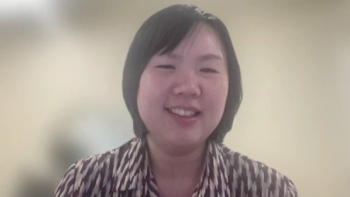
Christina Poh, MD

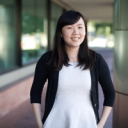
Dr Christina Poh | Image Credit: Lymphoma Research Foundation

Christina Poh, MD, is a physician and clinical researcher at City of Hope National Medical Center.

Articles by Christina Poh, MD

Experts featured in this series.

Led by the moderator, Christina Poh shared her closing reflections on the relapsed or refractory follicular lymphoma treatment landscape, expressing strong optimism about both the current state and near-term future of the field, noting that the development of many novel, highly effective treatment options over the past several years has fundamentally transformed what is possible for patients with this chronic, relapsing disease.

Experts featured in this series.

Christina Poh described the real-world data from eight CUBIC centers as highly encouraging, interpreting response rates that match or exceed those seen in pivotal trials in a heavily pretreated and older patient population as confirmation that bispecific antibodies are a broadly active and impressive class of treatment that already plays an important role in relapsed or refractory follicular lymphoma.

Experts featured in this series.

Christina Poh described the early phase efficacy data for golcadomide as highly impressive, noting that the high overall response rates and durability of responses a very promising signal that she expects will translate into a meaningful role for this first-in-class oral CELMoD agent in the relapsed or refractory follicular lymphoma treatment landscape in the near future.

Experts featured in this series.

Christina Poh discussed how the trial data reporting a PFS benefit of 88.9% versus 66.7% at 5 years and an OS advantage for IFRT plus rituximab maintenance in stage III follicular lymphoma does not entirely overturn the conventional view of radiation as a primarily early-stage tool, but does meaningfully challenge the assumption that radiotherapy has no role in advanced-stage disease while noting that additional studies are needed to confirm these findings and to evaluate radiation's role in combination with systemic therapies beyond rituximab.

Experts featured in this series.

Christina Poh reviewed the inMIND safety data, noting that the addition of tafasitamab to the lenalidomide and rituximab backbone produced a manageable safety profile that was generally consistent with the R² backbone alone with no major unexpected safety signals observed and overall good patient tolerability throughout the trial.

Experts featured in this series.

Christina Poh confirmed that the disconnect between provider and patient experiences of shared decision-making resonates strongly with what she observes in clinical practice, noting that while care teams tend to focus on efficacy and side effect profiles, the questions patients ask most frequently are logistical in nature, underscoring that closing this gap requires not only better communication, but also more robust patient navigation support, improved coordination between academic and community settings, and clinical trial designs that better reflect the real-world follicular lymphoma patient population.

Experts featured in this series.

Christina Poh discussed how she counsels patients on follicular lymphoma as a chronic, relapsing-remitting disease that is highly treatable, with many patients living for years or even decades with good quality of life, while being transparent that current standard-of-care treatments are unlikely to be curative, framing this honest, forward-looking conversation as the foundation for a long-term therapeutic partnership built on realistic expectations and shared planning.

Experts featured in this series.

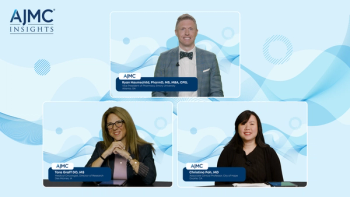
In this episode, 'Operationalizing RRFL Care: Sequencing Therapies, Managing REMS, and the Role of R² in Practice,' the pharmacist Ryan Haumschild, PharmD, MS, MBA, CPEL explores the following questions: 1. From a pharmacy operations standpoint, how do you characterize the current treatment landscape for relapsed or refractory follicular lymphoma (RRFL), and how has the growing number of available agents affected formulary management and operational planning at your institution? 2. Lenalidomide plus rituximab has been a commonly used combination in RRFL. How have you positioned this regimen in your own practice, and what have been its strengths and limitations in your experience?

Experts featured in this series.

Welcome back to another AJMC Insights series. In this episode titled, 'Setting the Stage: Treatment Selection and Eligibility in Follicular Lymphoma,' Ryan Haumschild, PharmD, MS, MBA, CPEL led the conversation about the following questions: 1. What are the first-line treatment options in follicular lymphoma? 2. When are you considering a patient eligible for later lines of therapy?

Latest Updated Articles