






Clinical
Latest News
Advertisement
Latest Videos


CME Content


Advertisement
More News

Safety considerations for BTKi use in CLL and SLL treatment are highlighted.
Dr Haumschild drives a discussion surrounding the role of bruton kinase inhibitors for treating CLL and SLL.

Children and adolescents were at higher risk for myopic maculopathy progression if they had worse best-corrected visual acuity and longer axial length, among other risk factors.
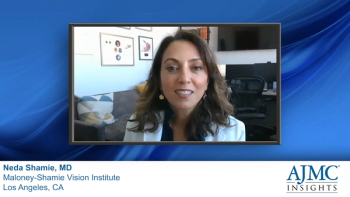
An expert ophthalmologist discusses a medication which targets enzymes in the Demodex mite, given over a six-week course.

Aducanumab’s accelerated approval was controversial and insurance coverage of the expensive therapy was limited.
Neda Shamie, MD, summarizes the prevalence and clinical manifestations of Demodex Blepharitis.

Sickle cell disease (SCD) will be the first focus of the Cell and Gene Therapy (CGT) Access Model; the FTC has challenged the validity of over 100 drug product patents to help increase competition and potentially lower prices; the rate of infectious syphilis cases in the US rose 9% in 2022.

However, the association between familial hypercholesterolemia variants and coronary heart disease slightly weakened after adjusting for baseline low-density lipoprotein cholesterol (LDL-C) level and became statistically insignificant after adjusting for cumulative past LDL-C exposure.

Most of the research suggests combination therapies might be the best option for many patients who have acute myeloid leukemia (AML).

Elevated serum vitamin B12 concentration was positively associated with all-cause mortality risk, particularly among older adults, with concentrations exceeding 400 pmol/L showing significantly higher mortality rates.

Since 1987, only 57 cases of comorbid Parkinson disease (PD) and myasthenia gravis (MG) have been reported.

Among the 10 patients in the retrospective analysis, the median overall survival after allogeneic hematopoietic stem cell transplantation (allo-HSCT) for relapsed/refractory diffuse large B-cell lymphoma (R/R DLBCL) was 21 months.
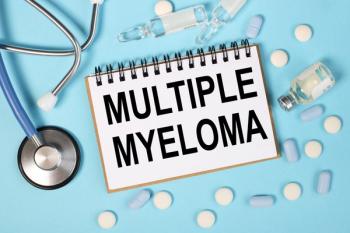
Patient survival and such treatment-related outcomes as time to treatment failure and treatment duration improved following implementation of a best practices program that focused on selinexor administration for multiple myeloma (MM), with implications for other anticancer medications.

The study may help explain why some patients are more prone to relapse following a complete response to induction therapy, as indicated by measurable residual disease (MRD) status and 2017 European LeukemiaNet (ELN) criteria.
Dr Fonesca provides his final thoughts recapping data and findings presented at ASH 2023.
Dr Fonesca highlights key factors in multiple myeloma treatment affecting patient quality of life.
A key opinion leader explores the integration of bispecifics into MM therapy regimens.
The MonumenTAL-2 study is discussed by Rafael Fonesca, MD.
The IsKia trial findings presented at ASH 2023 are highlighted by Dr Fonseca.
A medical expert navigates the treatment landscape for patients newly diagnosed with multiple myeloma.
Rafael Fonseca, MD, discusses findings from the PERSEUS trial presented in December at ASH 2023.
Key opinion leaders explore the necessary synergy between payors and providers for optimizing bispecific therapy.
Financial considerations in bispecific therapy are discussed.

Patients admitted to the hospital with acute decompensated heart failure (ADHF) who also had low muscle mass and hypoalbuminemia experienced a heightened mortality risk, suggesting skeletal muscle mass and serum albumin are important prognostic factors.

The data search of Web of Science Core Collection, spanning 2003 to 2022, identified various prospective directions in myasthenia gravis (MG) research, including in personalized treatment, subtype-based treatment, and novel immunotherapeutic strategies.
Advertisement
Advertisement