


Clinical
Latest News
Advertisement
Latest Videos



Advertisement
More News

Some recent oncology news includes research into factors impacting the well-being of childhood cancer survivors; whether COVID-19 accommodations will last post-pandemic; and a possible new therapy for patients with polycythemia vera.

Birth control guidance provided to women taking rheumatoid arthritis therapies is lacking, and other rheumatology news reported across MJH Life Sciences™.

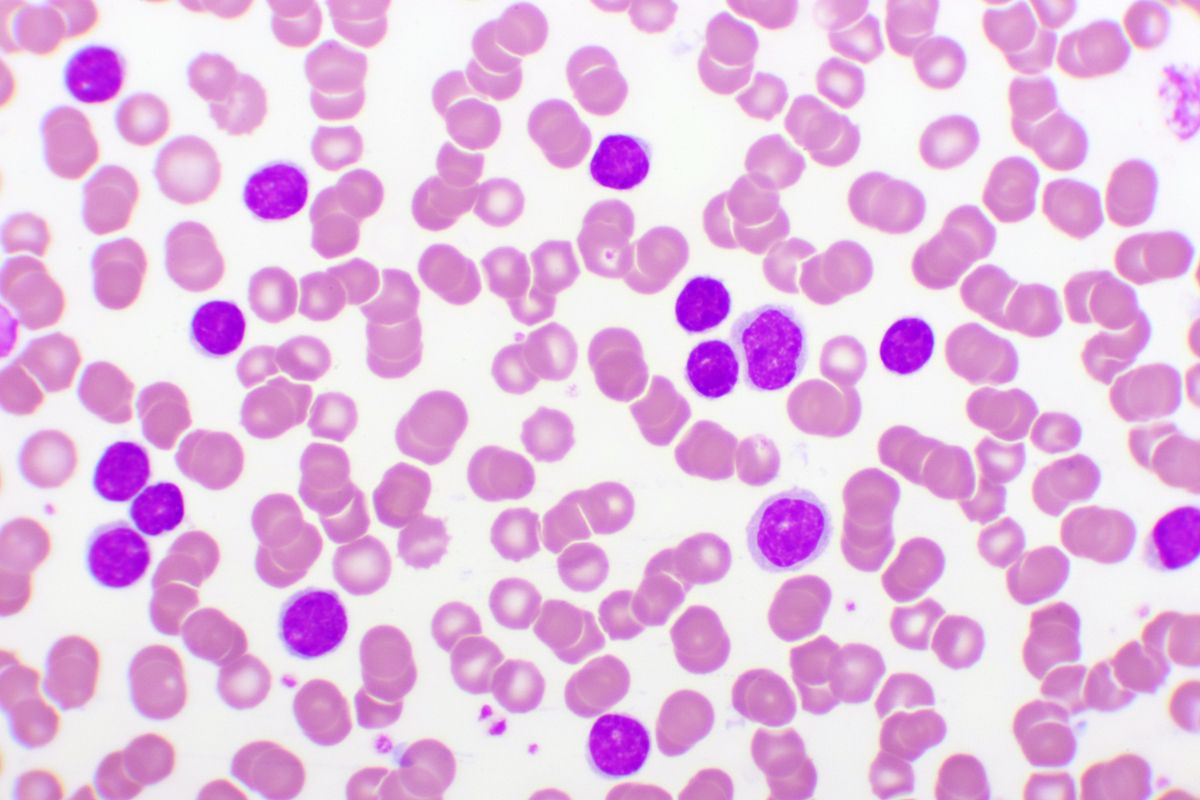
With a variety of treatments available for chronic lymphocytic leukemia (CLL), a disease that is extremely heterogeneous, clinicians are faced with a challenging task to choose the right treatment for a patient.

The latest coverage in the heart failure space from across MJH Life Sciences™.

After switching to 1 of 2 adalimumab biosimilars, patients with inflammatory bowel disease (IBD) experienced comparable clinical outcomes to the reference product after 6 months, according to a recent study.

Expanded coverage under a Medicare-Medicaid partnership to treat all prevalent cases of hepatitis C appears to be cost-effective by saving money and improving patient outcomes.

During the ATS 2021 International Conference, several studies shed new light on 2 asthma biologics.

Sessions, posters, and late-breaking trials at the American College of Cardiology’s 70th Scientific Session offer updates on vericiguat, SGLT2 inhibitors, sacubitril/valsartan, and heart failure therapies still in the pipeline.

Two top cardiologists debated evidence involving one clinical trial for omega-3 fatty acids, with implications for another, the REDUCE-IT study for icosapent ethyl (Vascepa).

Anthony Fauci, MD, told attendees at the ATS 2021 International Conference that the real-world evidence of vaccines against SARS-CoV-2, the virus that causes COVID-19, is even better than expected.

The Dapagliflozin in Respiratory Failure in Patients With COVID-19 trial is the first phase 3 study to examine whether this SGLT2 inhibitor, which has proven effective for multiple chronic conditions, might be similarly useful in an acute setting.

Hospitalized infants with the rare metabolic disorder maple syrup urine disease (MSUD), who are intolerant to oral or enteral administration of branched-chain amino acid-free formula, may benefit from an intravenous formulation.

The investigational drug for obstructive hypertrophic cardiomyopathy is in front of FDA, with an approval target date of January 28, 2022.

Using data from 2 independent cohorts, researchers identified a potential molecular biomarker for progressive multiple sclerosis (MS).

New research is helping to move the field forward for diffuse large B-cell lymphoma (DLBCL).

Updates from 2 recent medical meetings about links between the gut, psoriasis, and other skin disease, as well as the risk of COVID-19.

Results presented at the American College of Cardiology's 70th Scientific Session show most patients prefer a smaller dose and are more likely to stick with it.

Ankylosing spondylitis (AS) patients face a greater risk of mortality, but treatment with tumor necrosis factor inhibitors erases it.

Psoriasis may be associated with an increased prevalence of type 1 diabetes (T1D).
Fourteen months after the American College of Cardiology (ACC) switched its 17,000-person meeting to a virtual format on short notice, the meeting will be online May 15-17 for the second year. The 70th Scientific Session will feature 25 late-breaking clinical trials, emphasizing treatment of heart failure and the right aspirin dose for prevention of secondary cardiovascular disease.

Using biomarkers to guide treatment decisions are increasingly being leveraged across various cancers, and metastatic colorectal cancer (mCRC) is no exception. However, the positivity rates of these biomarkers can differ across different patient characteristics, according to a recent study.

According to the researchers, their study is the first to assess the impact of oral targeted therapies among a large number of adolescents and young adults (AYA) patients with chronic lymphocytic leukemia (CLL).
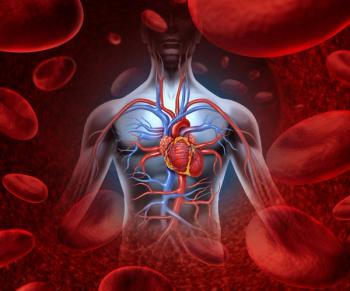
Right ventricular end-systolic elastance to end-systolic arterial elastance coupling in excess of 0.68 was linked with preserved right ventricular function and better survival outcomes in patients with heart failure with reduced ejection fraction and secondary pulmonary hypertension.

A novel biologic for severe asthma reduced exacerbations by 56%, according to a study published Wednesday in The New England Journal of Medicine.
Advertisement
Advertisement
Trending on AJMC
1
CMS Rule Ends Medicaid, CHIP Funding for Pediatric Gender Care
2
Oral JAK Inhibitors Boost Hair Regrowth Odds in Alopecia Areata
3
Panel Calls for Earlier Detection, Clearer Pathways in Rare Glomerular Disease
4
Follitropin Delta Achieves Ongoing Pregnancy in 64% Under Age 35
5