





Health Care Delivery
Latest News

What We’re Reading: Chinese Biotech Crackdown; Relaxed Bird Flu Lab Regulations; Telehealth Abortions Increasing
By AJMC Staff
Advertisement
Latest Videos








Advertisement
More News
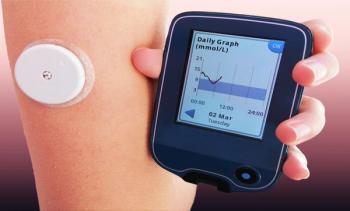
Closed-Loop Glucose Management Improves Outcomes in Youth With T1D
Published: | Updated:
Patients with type 1 diabetes (T1D) reported improved glucose outcomes, but they also said their sleep and quality of life benefited.
On this episode of Managed Care Cast, experts from Illinois CancerCare discuss CMS regulations limiting the access of rural patients with cancer to medically integrated pharmacies.

A new study highlights significant disparity in reimbursement rates across states between hospitals and Medicare; the first patient to receive a genetically modified pig kidney has died; research examines outcomes of over 500 patients receiving medication abortion pills by mail.

The authors created a machine learning–based model to identify patients with major depressive disorder in the primary care setting at high risk of frequent emergency department visits, enabling prioritization for a care coordination program.

Immune checkpoint blockade therapy works by preventing the binding of checkpoint and partner proteins, thereby allowing T cells to continue their work of attacking and killing cancer cells.

A follow-up study utilizing interviews and survey responses demonstrates that patients prefer rhenium-188 skin cancer therapy (RSCT) over surgery in the treatment of their non-melanoma skin cancer.

Session speakers at the 2024 meeting of ISPOR—The Professional Society for Health Economics and Outcomes Research share their favorite parts of the conference.

What Is a Health Plan’s Role in Preventing Homelessness Among Seniors?
Published: | Updated:
The CEO of SCAN Health Plan discusses its first-ever Environmental, Social, and Governance Report.
Challenges in developing next-generation cancer therapies persist; research indicates widespread utilization and hurdles in affordability and access to glucagon-like peptide-1 (GLP-1) medications; legislation seeks to legalize therapeutic use of psychedelics in California.
A novel program utilizing an approach to defragment care for patients with end-stage kidney disease (ESKD) resulted in better patient outcomes.

Chris Pagnani, MD, medical director and founder of Rittenhouse Psychiatric Associates in Philadelphia, explains the importance of offering college students consistent care via telehealth while collaborating with their campus counseling centers.

Earlier antiretroviral therapy was found to be safe in regards to kidney health, with benefits of virologic suppression and immune reconstitution.
This week's topics include frameworks for improving health equity nationwide, addressing social determinants of health, discussing CMS's Medicare rules, investigating breast cancer treatment refusal, and exploring HIV and major depressive disorder in underrepresented groups.

Public hospitals were significantly more likely to sustain access to unprofitable services following 340B Drug Pricing Program participation, while nonprofit hospitals were mostly unaffected, according to a recent study.

Educational interventions for patients, including both in-person and online methods, significantly reduced atopic dermatitis (AD) severity.

Results featured at the Academy of Managed Care Pharmacy 2024 annual meeting revealed a pattern of prior authorization rejections that could delay necessary therapeutic treatments for various patient groups.

Gaps in the delivery and coverage of behavioral health care can be addressed through continued advocacy for better policies and financial incentives surrounding treatment.
A cross-sectional, mixed-methods study found that adverse effects (AEs) can occur even after 1 year of treatment with immune checkpoint modulator (ICM) therapy in patients with melanoma.

A cross-sectional analysis assessed the birth prevalence of sickle cell disease (SCD) alongside data on social vulnerability to highlight the needs of communities impacted by SCD.
In the series debut episode of "Frameworks for Advancing Health Equity," Mary Sligh, CRNP, and Chelsea Chappars, of Allegheny Health Network, explain how the Urban Health Outreach program aims to improve health equity for individuals experiencing homelessness.

Findings from the FAMS-T1D study demonstrate that structured goal-setting and achievement significantly enhance self-efficacy and self-care in emerging adults who have type 1 diabetes (T1D).
For patients prescribed diabetes, hypertension, and hyperlipidemia medications, nonadherence to CMS Star Ratings quality measures of medication adherence was associated with increased health care resource utilization and costs.

A high burden of HIV could indicate other underlying factors, such as limited access to health care resources and a risk of major depressive disorder.

Outcomes among patients with stage IV non–small cell lung cancer as evaluated within clinical trials via Response Evaluation Criteria in Solid Tumors (RECIST) and clinician response criteria in observational studies were compared for their concordance and reliability.

The findings show exercise-induced hypertension increases myocardial oxygen demand.
Advertisement
Advertisement