



Health Care Delivery
Latest News
Advertisement
Latest Videos








Advertisement
More News

This week, the Center on Health Equity & Access featured expert perspectives on sickle cell disease, obesity, psychological safety, LGBTQ+ health, and postpartum depression.

In the clinical practice setting, intensifying treatment for axial spondyloarthritis (axSpA) is associated with a higher Ankylosing Spondylitis Disease Activity Score (ASDAS) cutoff value than recommended, new research found.

This investigation sought to expand knowledge of the impact of comorbid pulmonary hypertension (PH) on diagnosed non–small cell lung cancer (NSCLC), using data from adult patients treated at military hospital facilities within the US.

As health care leaders, it’s our responsibility to know the importance of psychological safety and actively promote an environment that supports emotional and mental well-being, no matter one’s position or background, notes Carolyn Tandy of Humana.

Sickle cell trait (SCT) and pregnancy each exacerbate the symptoms of COVID-19. As a result, pregnant individuals with SCT may have a higher risk of COVID-19 infection.

"As a health care provider and as a psychiatrist, it's something that I think about first—instead of step therapy, when I have a patient with postpartum depression, this is what they need to be on," Rachel Dalthorp, MD, explains.

A prospective cohort study, using data from the UK Biobank, suggested that the Mediterranean diet could provide benefits to patients with multiple sclerosis.

Older adults who had colorectal surgery were found to have reduced postoperative complications if they started the Geriatric Oncology Service.

June 19 is marked as World Sickle Cell Awareness Day, granting the opportunity to reflect on the current state of treatment, access, equity, and more that impacts patients living with sickle cell disease.

The home-based care model offers a promising strategy for improving quality of care, while also reducing health care spending.

The albumin-bilirubin score is a reliable predictor of treatment response for hepatocellular carcinoma (HCC) after yttrium 90 transarterial radioembolization (TARE).

In part 3 of an interview, MD Anderson’s Ravin Ratan, MD, MEd, discusses neoadjuvant immune checkpoint blockade for 2 specific types of soft tissue sarcomas.

A Chinese study shows hypertension management led by nonphysicians can be safe and effective.

Ana Lacerda, MD, MSc, of the Portuguese Institute of Oncology, advocates for early palliative care integration in pediatric patients with hematologic diseases.

Ageing with HIV comes with greater risks of other health complications; behavioral counseling programs for obesity are scare and often not covered by insurance; the surgeon general is calling for legislative action to protect youth when they interact with social media.
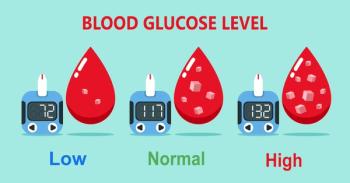
Notably, adolescents and young adults (AYA) living with type 1 diabetes (T1D) who reported more comfort with self-management tended to have worse glycemic control.

The late-breaking oral session at the European Hematology Association (EHA) 2024 Congress featured new data from abstracts submitted after the deadline, including both interventional and foundational science.

Jennifer Vidrine, MBBS, MRCP, of Newcastle upon Tyne Hospitals, stresses the importance of providing personalized, beneficial end-of-life care for patients with hematologic diseases.

Two posters presented at the 2024 American Society of Clinical Oncology annual meeting revealed real-world data on the outcomes and management strategies associated with melanoma during pregnancy.
The Center on Health Equity & Access shares the latest news, research, and expert insights on developments related to health disparities, gaps in care, and initiatives to address them.

At a friendly debate held at the European Hematology Association 2024 Congress, hemophilia experts argued for and against wider access to gene therapy for patients living with the condition.

Results presented at the 2024 European Hematology Association Congress suggest that chimeric antigen receptor (CAR) T-cell therapy can be feasibly and safely delivered in the outpatient setting as treatment for lymphoma.
Brian Koffman, MDCM, DCFP, FCFP, DABFP, MSEd, of CLL Society, details the comprehensive multidisciplinary support for patients with chronic lymphocytic leukemia (CLL) at the European Hematology Association (EHA) 2024 Congress.

What We're Reading: ADHD Medication Access Concerns; 2023 US Health Care Spend; Legislation Introduced to Reform PA
Published: | Updated:
The arrests of the founders of Done Global, a telehealth company that provides attention-deficit/hyperactivity disorder (ADHD) medication to adults, for allegedly providing prescriptions to unqualified patients and defrauding the government have raised concerns about future access to these medications; US health care spending rose to $4.8 trillion in 2023; bipartisan legislation has been introduced to reform prior authorization with Medicare Advantage.

At a YoungEHA session at the 2024 European Hematology Association (EHA) Congress, speakers discussed the prevalence of waste in laboratories, research, and clinical practice, as well as ways attendees can effect change for a more sustainable future.
Advertisement
Advertisement