






Obesity
Latest News
Advertisement
Latest Videos




Advertisement
More News

The FDA approves Wegovy, the first oral GLP-1 pill, offering a new weight loss solution for those struggling with obesity and overweight.

The top Managed Care Cast episodes explored wellness visits, weight loss drug access, neurospine care, public health policy, and ketamine-assisted therapy.
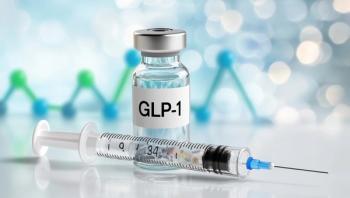
Glucagon-like peptide 1 (GLP-1) receptor agonists offer promise in weight and cardiovascular risk reduction, but their use must complement—not replace—lifestyle interventions within a holistic, patient-centered care model.

A phase 2 trial demonstrated substantial weight loss with the long-acting peptide–antibody conjugate, as well as other cardiometabolic improvements.

Explore the evolving landscape of biologics in metabolic syndrome treatment, highlighting GLP-1 analogs and PCSK9 inhibitors for improved patient outcomes.

The guidelines highlight the need for lifelong obesity management, early diagnosis, comorbidity prevention, and patient-centered care.
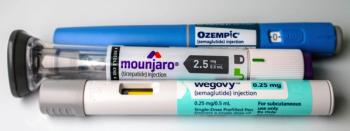
Discontinuing GLP-1 use before or early in pregnancy raises gestational weight gain, birth weight percentile, and the risk of pregnancy complications.

Research shows a sharp rise in bisphenol-attributable metabolic disease since 2000, with annual costs exceeding $250 billion in North America.

Semaglutide and tirzepatide led to the most weight loss across 22 trials, while liraglutide remains a cost-effective alternative as its patent expires.

Consistent across age, sex, and race, BMI closely mirrored body fat–based obesity in nearly all US youth with BMI-defined obesity (BDO).
The founder and President of Phesi addresses the need for streamlining clinical trial data as GLP-1 RA therapies are being used to treat multiple diseases.

David Rometo, MD, reflects on the sustainability of incremental weight loss programs and aggressive diets.
Social determinants of health disproportionately impact patients' ability to maintain and achieve their weight loss goals.
David Rometo, MD, weighs various weight loss treatments, their success, and sustainability.
David Rometo, MD, of UPMC, addresses stigma surrounding obesity and group setting weight loss intervention therapies and how consults benefit patients.

Research highlights disparities in anti-obesity medication use and metabolic and bariatric surgery.
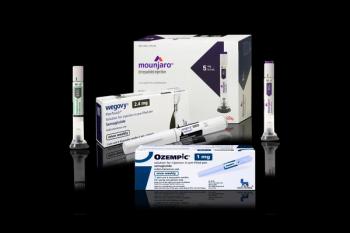
The European Association for the Study of Obesity now recommends the 2 treatments for obesity and most associated complications.

Here are 5 reasons why bariatric surgery may be better for weight loss than GLP-1 receptor agonists

Tirzepatide appears more cost-effective than semaglutide for obesity and knee osteoarthritis, though long-term data and patient-centered outcomes remain key.
Tirzepatide’s cost-effectiveness provides key evidence for policy makers implementing clinical coverage decisions.

Bariatric surgery is more efficient at increasing weight loss and more cost-effective than GLP-1 RAs.
Elena Losina, PhD, codirector of the Orthopedics and Arthritis Center for Outcomes Research at Brigham and Women’s Hospital, discusses the cost-effectiveness of varying weight loss interventions.
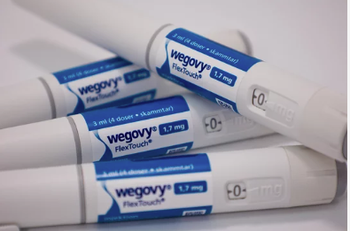
Researchers in Denmark observed a significant drop-off in anti-obesity drug usage after 1 year in first-time users.

This commentary calls for health care systems to deliver equitable care for people living with obesity by addressing weight bias and updating standards in obesity care.

Bariatric surgery reduces the likelihood of obesity-related comorbidities compared with nonsurgical weight loss interventions.
Advertisement
Advertisement
Trending on AJMC
1
Coroner Reports Pennsylvania's Sixth Measles-Associated Death
2
CMS Rule Ends Medicaid, CHIP Funding for Pediatric Gender Care
3
MedHaul Closes Care Gaps With Single Stop for Getting Patients to Appointments
4
FDA Approves First Treatment for BCG-Unresponsive Bladder Cancer
5