
Opinion|Videos|October 6, 2026
Closing Screening Gaps for Cardio-Kidney-Metabolic Disease
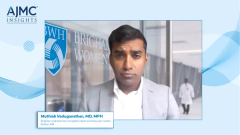
Author(s)Muthiah Vaduganathan, MD, MPH
Specialty silos leave a large population of at-risk patients undiagnosed for adjacent cardio-kidney-metabolic conditions, and aligning incentives around earlier screening could meaningfully change patients' long-term risk trajectories and downstream costs.
Advertisement
Episodes in this series
"Closing Screening Gaps for Cardio-Kidney-Metabolic Disease" explores why a large population of at-risk patients remains undiagnosed despite frequent contact with the health system.
Dr. Vaduganathan turns to the scale of the undiagnosed cardio-kidney-metabolic population and why so many at-risk patients are missed. He describes a large group of patients in the community who have already interacted with the health system, meeting a cardiologist for early heart failure concerns, a nephrologist for chronic kidney disease, or an endocrinologist for type 2 diabetes, yet still fall through the cracks. The reason, he argues, is that clinicians across these specialties have practiced in relative silos, each focused on their own condition without routinely screening for the adjacent cardio-kidney-metabolic conditions a patient may also carry. That gap, he says, represents a significant missed opportunity to build a more holistic picture of an individual's overall risk trajectory.
Dr. Vaduganathan traces the underdiagnosis partly to misaligned incentives. Additional testing adds time to a clinic visit, requires explaining results to patients, and demands a follow-up workflow for any abnormal findings, infrastructure that many current care systems simply do not have in place. He suggests payers have a substantial role to play here, potentially incentivizing the upfront screening that specialists are otherwise disincentivized to pursue given time and workflow constraints.
He closes by emphasizing the downstream value of catching these conditions earlier. If proven, evidence-based therapies can be started before complications accrue, and before costly events like hospitalizations occur, Dr. Vaduganathan believes clinicians can meaningfully change a patient's risk trajectory. Earlier identification, in his view, is not just a diagnostic nicety but a direct lever for avoiding the downstream costs that both patients and payers ultimately bear when cardio-kidney-metabolic disease goes unrecognized until it is advanced.
The final episode, "SGLT2 Inhibitors: Practical Guidance for Clinicians and Formularies," closes the series with Dr. Vaduganathan's practical guidance for clinicians and formulary committees.
Advertisement
Related to this article

Adults with moderately to severely active Crohn disease can now start risankizumab with an on-body injector at home and keep using the same device for maintenance. They no longer need intravenous infusions to begin.

This system-level initiative significantly increased guideline-concordant venous thromboembolism prophylaxis rates in hospitalized patients through coordinated education, clinical decision tools, audit-feedback, and pharmacist integration.

For all the advances in breast cancer, there remains unmet need for patients whose cancer progresses after treatment with antibody-drug conjugates (ADCs). In the final week of Breast Cancer Awareness Month, AJMC® looks at an investigational vaccine approach that could come after ADCs, offering patients a low-toxicity regimen.

Nevena Vicic, MSc, discusses first real-world data showing mRNA-1283 protected adults 65 and older from COVID-19 hospitalization in 2025-2026.
He sees progress in Richter combination therapies, explains how patient goals shape CLL treatment, and reflects on mentoring trainees.
CEO Susan Cantrell previews AMCP Nexus 2026, discussing AI, drug pricing, emerging therapies, and a decade of change in managed care pharmacy.

Jennifer Flythe, MD, MPH, discusses individualizing dialysis volume management and why guideline-directed therapy use lags in advanced CKD.

Povetacicept reduced proteinuria by 52% vs 4.3% with placebo at week 36 in adults with IgA nephropathy in the phase 3 RAINIER trial’s interim analysis.
Advertisement
Advertisement
Trending on AJMC
1
IDWeek Studies Tie RSV, Flu, and COVID-19 to Harm After Acute Illness
2
Preparing for Hepatitis B Functional Cure: Jordan Feld, MD, MPH
3
Povetacicept Cuts Proteinuria by 52% in IgA Nephropathy at Week 36
4
Colonization vs Infection: Rethinking C. Diff Prevention
5