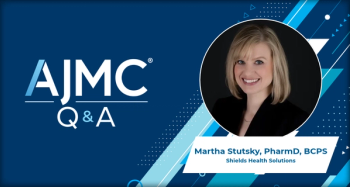
Stutsky explains why shifting therapy perceptions had more pharmacist touchpoints and longer time on therapy among patients with ATTR-CM.
John Anderson, MD, explains why stronger primary care and specialist collaboration are needed in diabetes care.
Advances in type 2
An estimated 90% of type 2 diabetes care in the US occurs in primary care settings, placing frontline clinicians at the center of disease management, according to Anderson. When patients are not reaching glycemic targets, particularly when basal or basal–bolus insulin is needed, primary care clinicians should not hesitate to refer to endocrinologists or other specialists. The guiding question should always be asking if the patient is meeting their goals. If not, collaboration is essential.
Anderson urged clinicians to proactively brief specialists before the first visit, especially about any issues the patient is struggling with. A simple phone call to a colleague, he noted, can set up that first specialist encounter for success and model good habits for younger clinicians.
The interview also highlighted the rapid evolution of therapies for
For diabetes specifically, the impact of glucagon-like peptide-1 (GLP-1) receptor agonists, dual agonists, and SGLT2 inhibitors has been described as “nothing short of profound,” with data showing reduced hospitalizations for heart failure and fewer major adverse cardiovascular events. Yet high costs and limited
Ultimately, Anderson argued, these therapies are cost-saving at a global level, even if pharmacy costs appear high. Ensuring