

Opinion|Videos|March 4, 2025
Comparing Safety Profiles: Making Informed Treatment Decisions in mCRC
Experts discuss how they balance safety, efficacy, and overall patient prognosis when selecting third-line treatments for metastatic colorectal cancer (mCRC) and explore how the toxicity profiles of fruquintinib, regorafenib, and trifluridine + tipiracil ± bevacizumab differ, informing treatment decisions.
Advertisement
Episodes in this series
Video content above is prompted by the following:
- When selecting third-line treatments for mCRC, how do you balance safety, efficacy, and overall patient prognosis?
- How do the toxicity profiles of fruquintinib, regorafenib, and trifluridine + tipiracil ± bevacizumab differ, and how can these differences inform treatment decisions?
Advertisement
Related to this article

Experts at CHEST 2026 urge pulmonologists to keep lung cancer in mind for younger patients who never smoked, to order screening and biomarker testing themselves, and to advocate for patients' access to care.

FDA granted accelerated approval to dostarlimab-gxly for dMMR or MSI-H locally advanced rectal cancer based on interim phase 2 AZUR-1 results.

Phentolamine 0.75% (Ryzumvi) won FDA approval for presbyopia based on the phase 3 VEGA-2 and VEGA-3 trials.

Nearly 3 in 4 bariatric surgery candidates had clinical obesity, a phenotype that BMI alone did not distinguish from preclinical obesity.

Satralizumab, a first-in-class IL-6 receptor inhibitor, was approved for adults with thyroid eye disease based on the phase 3 SatraGO program.

A review of 47 endometriosis guidelines found most came from high-income settings and diverged on biomarkers, repeat surgery, and fertility referral.
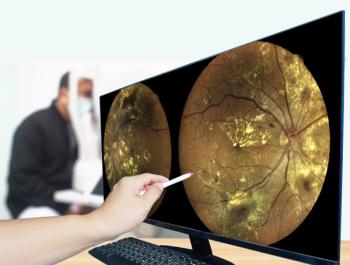
The meeting covered several topics in eye care, including how artificial intelligence (AI) can play a part in eye care.

A meta-analysis of 27 trials found a 15% cardiovascular risk reduction per 10-mm Hg lower systolic BP, with no added risk of kidney failure.
Advertisement
Advertisement
Trending on AJMC
1
FDA Approves Ryzumvi for Presbyopia, Expanding its Label
2
New CHEST Guidelines Offer a Road Map for Bronchiectasis
3
CHEST Highlights Practice-Changing COPD Therapy and Strategies
4
CHEST Investigations Explore COPD Guideline Adherence, Adding Ensifentrine, and Use of AI in Education
5