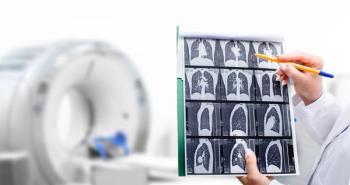
AI quantitative CT (UCLA QILD, Brainomix e-Lung) predicts FVC decline and drug response in PPF, strengthening biomarkers beyond spirometry in INBUILD.
Loss of a partner or sibling during the pandemic was associated with heightened cardiovascular vulnerability, according to one study.
The link between grief and heart disease has long been recognized, but the
“In this cohort study, death of a close family member was associated with an increased risk of CVD,” the study authors wrote. “The risk increment after loss of a partner or a sibling was stronger during the COVID-19 period compared to the pre–COVID-19 period, suggesting a potential interaction between bereavement and psychosocial conditions during the COVID-19 pandemic.”
Researchers from Karolinska Institutet and the University of Gothenburg leveraged Swedish national health registries to study more than 5.3 million adults during the pre-pandemic period and more than 5.5 million during the pandemic period. Bereavement was defined as the death of a partner, child, parent, or sibling. The primary outcome was a first CVD diagnosis, including myocardial infarction, cerebrovascular disease, and
Across both periods and all relationship types, bereavement was consistently associated with increased CVD incidence, but the pandemic appeared to compound that vulnerability for certain losses. The adjusted HR for CVD following partner loss rose from 1.30 (95% CI, 1.26-1.35) in the pre-pandemic period to 1.46 (95% CI, 1.41-1.51; P < .001) during the pandemic.
Sibling loss followed a similar pattern, with HRs increasing from 1.16 to 1.23 across the 2 periods (P = .003). However, no significant period-related differences were observed for the loss of a child or parent.
The analysis also revealed that CVD risk was highest in the first 90 days after bereavement, with the steepest elevation occurring within the first week of loss. These findings
Age also shaped the risk profile in multiple ways.1 For partner and parent loss, CVD risk increased with age, whereas loss of a child or sibling was more strongly associated with CVD risk among younger individuals. Adults aged 70 and above who lost a partner during the pandemic experienced a particularly sharp increase in adjusted CVD risk compared with their pre-pandemic counterparts.
The authors pointed to several pandemic-specific mechanisms that may have deepened the cardiovascular toll of grief. Social distancing disrupted mourning rituals and limited access to in-person support networks. Also, pandemic-era restrictions reduced access to routine medical care, meaning CVD risk factors may have gone undetected or unmanaged in bereaved individuals.
The fact that individuals bereaved due to COVID-19 infection itself showed some of the highest CVD risk estimates during the pandemic period adds another layer of complexity, potentially reflecting shared exposure to the virus or the particular trauma of pandemic-era death.
“These findings demonstrate the compounded cardiovascular burden among bereaved individuals during the COVID-19 pandemic and underscore the need for targeted prevention and support to reduce CVD risk in this vulnerable population, particularly during major health crises or other stressful circumstances,” the researchers concluded.
References
1. Yang F, Li S, Barker MM, et al. Bereavement and risk of cardiovascular disease before and during the COVID-19 pandemic. JAMA Netw Open. 2026;9(4):e269102. doi:10.1001/jamanetworkopen.2026.9102
2. Cleveland Clinic researchers find rise in broken heart syndrome during COVID-19 pandemic. Cleveland Clinic. July 9, 2020. Accessed May 5, 2026.