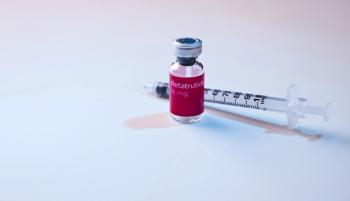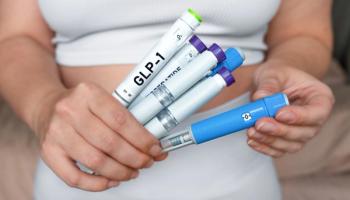
Amanda Velazquez, MD, discusses GLP-1 formulary strategies, overcoming prior authorization hurdles, and building scalable obesity care infrastructure.
Environmental factors were a barrier to participation in community activities among people with multiple sclerosis, even after adjusting for personal factors like disease severity.
Participation in community activities can significantly benefit quality of life among people with
The study,
“Community participation is an important health outcome
Such research has suggested that individual characteristics of patients, such as sociodemographic factors and functional impairments, play a major role in determining patients’ community participation levels. However, the authors noted that external factors like physical, social, and attitudinal environments also play a role. Specifically, factors like a building’s architectural accessibility, the availability of social opportunities, and the attitudes of the public can play a major role in whether or not patients are willing to participate in community activities.
The investigators observed that current MS interventions tend to focus on patient-level factors, such as managing symptoms and improving physical function.
“Interventions focused on empowering PwMS to navigate environmental barriers and advocating systemic support are limited,” they wrote.
The authors began by using deidentified baseline data from a
Following that quantitative phase, the investigators conducted a qualitative phase with 4 focus groups involving 12 PwMS who used mobility aids and another 12 PwMS who did not use mobility aids. The participants were asked about 5 EFs, 5 personal factors (PFs), and 6 community participation outcomes.
The authors found that there was a significant association between PFs and 5 of the 6 community participation outcomes (R2 = 13-48%; P < .05). They found that EFs were responsible for an additional 11% variation in satisfaction with community participation and an 11% variation in GPS-based measures of activity, after adjusting for PFs.
When looking at individual EFs, the investigators found that patients who perceived having financial resources were more likely to participate and more likely to be satisfied with their participation in community activities. Patients with social support and safe neighborhoods were more likely to participate in activities, they found.
In the qualitative interview phase, the investigators found that patients who used mobility aids were more likely to report challenges with physical spaces as a barrier to community participation. Those who did not use mobility aids were more likely to raise concerns about the attitudinal environment they might face when participating in community activities.
According to the researchers, the solutions to these barriers are multifaceted.
“Acceptance and adaptation were useful strategies, but participants called for improvements in the built environment, information access, MS specialty care, and public attitudes toward disability,” they wrote.
The investigators concluded further studies should test out potential interventions and policies to see whether they can further empower PwMS to actively participate in their communities.
References