HR 1 brings Medicaid work requirements and narrower immigrant eligibility by January 2027, and CBO projects 10 million more uninsured by 2034.
The American Journal of Managed Care
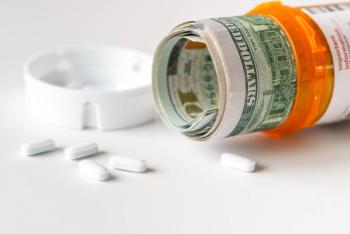
The authors assessed charitable care spending for a 1-month supply of medications at discharge. One-third of the cost was spent on medications for which a more sustainable coverage method exists.
ABSTRACT
Objective: Medication cost is a barrier to adherence for uninsured patients. Current practices at the academic medical center examined here include 1-month coverage of discharge medications through the institution’s charitable care fund. This study aimed to characterize the cost, type, and frequency of medications provided via charitable care for uninsured patients at hospital discharge.
Study Design: Single-center retrospective cohort study.
Methods: The study included uninsured patients discharged between July 1, 2022, and June 30, 2023, who received medication(s) paid for by the institution’s charitable care fund. Patients were included if they were prescribed medication(s) at discharge from an inpatient service and filled the prescription(s) at an affiliated discharge pharmacy within 72 hours.
Results: A total of 13,272 medications were provided for 2915 unique patients. Patients had a mean (SD) age of 45.21 (19.19) years, 60.48% were male, and a majority (67.89%) self-identified as Black or African American. The total cost of medications provided was $613,315, with a mean (SD) of $46.21 ($231.12) per prescription. Of these, 2221 prescriptions ($182,943) were identified as being eligible for more sustainable coverage options. Within 90 days of discharge, 1392 patients (47.75%) returned to the emergency department or were readmitted, resulting in an estimated health care utilization cost of $9,310,770.
Conclusions: Significant funds were used to provide short-term medication access; however, approximately 16.7% of these medications had alternative coverage options, and nearly half of the patients who received medications re-presented to the hospital within 90 days of discharge. These findings highlight an opportunity to establish a program with clinical pharmacist oversight to ensure continuity of care and sustainable medication access, reduce avoidable health care utilization costs, and improve patient outcomes.
Am J Manag Care. 2026;32(5):273-278.
Takeaway Points
As of 2023, an estimated 7.6% of the US population (approximately 25 million people) did not have health insurance.1 Patients who do not have insurance often experience medication nonadherence for a variety of reasons, including inconsistent ability to pay for prescriptions, inconsistent medical follow-up, lack of transportation, and reduced health literacy.2 Medication nonadherence has a significantly negative impact on health outcomes and has been associated with increased rates of comorbid diseases, emergency department (ED) visits, hospitalizations, health care expenditures, and medication errors.3-6 Discharging patients who are uninsured after hospital admission presents a unique challenge, as the known risk of medication errors during the medication reconciliation and prescribing process is coupled with limited access to essential medication therapies. A 2024 study of patients discharged from an adult internal medicine service found that 25% had medication access barriers at discharge.7 Prescriptions may go unfilled due to mobility or transportation challenges, difficulty with understanding and enrolling in patient assistance programs, or language barriers, among other reasons.8 The complexity of discharge prescribing paired with these unique challenges in uninsured patients can result in increased health care utilization and readmissions, higher medication costs, decreased quality of life, and increased morbidity and mortality.9,10
Selecting long-term, affordable pharmacotherapy and identifying methods to defray patient costs, which often vary from patient to patient, can promote medication adherence. Pharmacists play a vital role in ensuring medication access for patients at discharge to decrease risk of hospital readmissions and improve patient outcomes.11 However, medication cost is often not widely known by inpatient pharmacy staff or physicians, and they may unknowingly recommend or prescribe medications for uninsured patients that are costly out of pocket or require prior authorization approval.12 Other challenges include being unfamiliar with insurance restrictions or potential ways to decrease prescription costs, such as patient assistance programs.13
One strategy for ensuring medication access for uninsured patients involves using institutional charitable care funds to cover the cost of medications for 1 month without refills, a practice common at the academic medical center in this study. An initial review of this practice in the hospital-affiliated clinic revealed highly inconsistent medication access and uncertain rules around when patients qualified for charitable care assistance.14 Medications covered with charitable funds within that study included both new drug therapies and medications for chronic disease management. A subsequent pharmacist-led quality improvement project that provided consistent medication access showed improved outcomes, specifically a reduction in ED visits and hospitalizations, while improving cost-effectiveness.15
Although the issue of medication access for the uninsured was evaluated and successfully addressed in this small-scale pilot in the outpatient setting at this institution, practices surrounding the provision of medications using charitable care funds to patients upon hospital discharge have not yet been evaluated. This retrospective analysis aimed to characterize the use of charitable funds for medications at hospital and ED discharge, providing data to inform the expansion of the existing pharmacist-driven charitable medication access pilot to the inpatient setting.16
This study aimed to describe existing practices regarding charitable medication access at hospital discharge and identify opportunities for more efficient processes and the use of charitable funds. Data collected included the cost, type, and frequency of medications covered by the institution’s charitable fund used for patients with barriers to medication acquisition at hospital discharge. In addition, patient demographics and health care utilization data were analyzed for patients who received medications via charitable funds at hospital discharge during the study period.
METHODS
This single-center, retrospective cohort study involved patients with medication affordability barriers, defined as having no prescription drug coverage, who were discharged from the academic medical center and received a medication covered by the institution’s charitable fund between July 1, 2022, and June 30, 2023. Patients were included if they were prescribed medication(s) from an inpatient service at hospital discharge and received the medication from an institution-associated discharge pharmacy within 72 hours. Patients were excluded if they were insured or had a primary payer other than the hospital’s charitable care fund, if they had medications filled outside of specified institution-affiliated outpatient pharmacies, or if the medications were prescribed from an outpatient clinic, procedural area, or infusion center.
Eligible patients, specifically any patients who received medication(s) through an institution-specific charitable billing code as the primary payer, were identified via pharmacy claims data through Willow Ambulatory outpatient pharmacy software. The patient list provided from claims data was then used to collect patient-specific information from medical records, including demographics (age, sex, race, language, and ethnicity) and health care utilization data. Medication data collected included the medication supplied, dosage, quantity, and price. Medications included both new drug therapy initiation and continuation of therapy prescribed prior to the hospital admission, reflective of the current practice of charitable care spending at this center. The medications were then sorted into broad medication categories based on therapeutic and/or pharmacologic class. Data on the cost of the prescribed medications were also collected.
Descriptive statistics were used to summarize patient- and medication-specific results, including mean, median, SD, and IQR. Patient demographics and avoidable health care utilization data, including ED visits and hospitalizations within 90 days of discharge, were assessed. Historical financial data provided from the institution’s cost center were used to estimate health care utilization costs. Patients were also assessed for comorbid chronic conditions, including chronic kidney disease (CKD), hypertension, hyperlipidemia, asthma, diabetes, chronic obstructive pulmonary disease (COPD), and heart failure, which require continual medication management beyond the 30-day medication supply provided by charitable funds at hospital discharge. Additionally, a χ2 analysis and unpaired independent t tests were used to assess differences between the cohort that did not re-present to the hospital and the cohort that did re-present within 90 days. This research was approved as quality improvement research through the academic medical center’s institutional review board. Data were analyzed using Excel (Microsoft).
RESULTS
A total of 13,272 medications were paid for using the institution’s charitable funds for 2915 unique patients during the study period. Patient demographics are shown in
During the study period, the academic medical center spent $613,315.31 of charitable care funds on medications, with each medication costing a mean (SD) of $46.21 ($231.12) (median [SD], $5.23 [$204.93]; IQR, $2.38-$18.45). Patients received a mean of 4.44 medications paid for using charitable care funds per discharge. The mean cost per patient was $205.26.
The 5 most commonly prescribed medications in this study were naloxone 4 mg/actuation nasal spray (Narcan; 476 prescriptions, totaling $13,075.95), oxycodone 5-mg tablets (OxyContin; 449 prescriptions, totaling $821.16), pantoprazole 40-mg delayed-release tablets (Protonix; 391 prescriptions, totaling $1558.33), gabapentin 300-mg capsules (Neurontin; 355 prescriptions, totaling $2314.35), and acetaminophen 500-mg tablets (Tylenol; 325 prescriptions, totaling $501.23) (
Of the 13,272 medications that were paid for using charitable care funds, 2221 prescriptions (16.73%) totaling $182,942.55 were identified as medications for which more sustainable coverage options exist, such as patient assistance programs or manufacturer discount cards (
Of the 2915 patients who received medication(s) covered by the charitable care fund, 1392 (47.75%) presented to the ED or were rehospitalized within 90 days following discharge. Demographics for this cohort were similar, although the proportion of male patients among those who re-presented to the ED or hospital (36.78%) was significantly lower than in the initial cohort (60.48%; P = .0013). The re-presentation cohort had a mean (SD) of 2.20 (2.14) comorbidities per person, and 914 (31.36% of initial cohort; 65.66% of re-presenting cohort) patients who re-presented had at least 1 comorbidity. Of those who re-presented to the hospital, 605 patients (20.75% of initial cohort; 43.46% of re-presenting cohort) presented to the ED, whereas 787 (27.00% of initial cohort; 56.54% of re-presenting cohort) were rehospitalized within 90 days of discharge. These 787 people generated 6119 re-presentation visits within 90 days of discharge, with a mean (SD) of 4.40 (13.52) visits per person. The mean (SD) time to first re-presentation after discharge was 19.01 (22.57) days, consistent with internal hospital records.
Hospital charge data from fiscal year 2022-2023 showed that the mean ED visit cost was $365.80, and the mean hospitalization cost was $2550.00.17 Using these institutional data, the total estimated health care utilization cost was $9,310,769.80 for patients who re-presented within 90 days of discharge, with a mean of $6688.77 per person. The institution’s charitable fund spent $9,924,085.11 on supplying medications and hospital utilization.
DISCUSSION
These data show that, at discharge, many patients at this institution had barriers to obtaining medications. Although a 30-day supply of these medications was provided via charitable funds, patients often require continuation of therapy beyond 30 days and encounter affordability barriers to obtaining continued supply beyond that first month. Of the 2915 unique patients who received medications supplied from the charitable care fund, almost half (1392; 47.75%) re-presented within 90 days of hospital discharge. The total health care utilization for re-presentation was $9,310,769.80 for 6119 unique visits. Although the exact causes for re-presentation are unknown, and some hospitalizations and ED visits are unavoidable, it is reasonable to consider that medication nonadherence after the 30-day supply of medications was depleted played a role in the need for acute care. The re-presentation cohort had a mean (SD) of 2.23 (2.03) chronic conditions per person, which supports the need for medications beyond the 30-day supply period provided by charitable care.
A total of $613,315.31 was spent on 13,272 medications; however, 2221 (16.73%) prescriptions totaling $182,942.55 (29.83% of total cost) were identified as medications for which more sustainable coverage options exist, such as patient assistance programs, representing a significant amount of potentially avoidable cost. Approximately one-third of the cost of the medications could have been covered by more sustainable means. Thus, these costs could have been avoided. Additionally, enrollment in a patient assistance program ensures continuity of care beyond the 30-day coverage period, improving medication adherence and clinical outcomes.18 Furthermore, the most prescribed medication supplied by the charitable care fund was naloxone nasal spray, at 476 prescriptions, with a total cost of $13,075.95. Although naloxone should certainly be readily available to patients, several government-funded programs provide naloxone free of charge.19 For example, the Opioid Restitution Fund is a program established in 2019 that requires the state of Maryland (where this study was conducted) to receive all monies awarded from prescription opioid–related legal action through state-funded programs intended for the betterment of public health initiatives and harm reduction.20
The study findings underscore the need to oversee the utilization of charitable care funds for medication dispensing for patients with barriers to access at hospital discharge, ensuring that the most sustainable, clinically appropriate therapies are selected and that continuity of care is optimized for discharged patients. Clinical pharmacists are equipped to recommend alternative regimens, identify the need for and facilitate prior authorizations, and help enroll patients in patient assistance programs. Previous data have demonstrated that involving pharmacists at discharge can improve patient safety and decrease health care utilization cost, citing a cost avoidance of $24,784 due to pharmacists identifying 40% of medication errors at discharge.7 In addition to reducing medication errors, pharmacists also can recommend alternative medication regimens with the goal of sustainable prescription access for patients, thus decreasing re-presentation and associated health care costs. In the outpatient setting, a pharmacist-led charitable medication access program reduced ED visits by 10% and reduced hospitalizations by 34%.15
Patient assistance programs are valuable resources that provide vital medications to patients who meet certain income requirements. Although these programs increase medication access and diminish affordability barriers, the administrative steps to enroll patients can be time-consuming, and collecting the necessary documentation for enrollment can be challenging.21 Recognizing which medications are available to patients without insurance can be another barrier for providers, who often spend a lengthy time determining the options available to these patients at discharge.22 Lack of knowledge regarding available programs, limited time and personnel resources, and difficulty with collecting the required patient-specific financial and clinical information are all barriers to enrollment of patients in these programs during hospital admissions. Pharmacists, with their knowledge of therapeutic options and existing avenues for medication access for patients with affordability barriers, are well-positioned to oversee the use of charitable funds for discharge medications. Pharmacists can recommend affordable therapeutic alternatives, identify opportunities to complete prior authorizations or enroll in patient assistance programs, and expedite approval of these applications to ensure sustainable, longitudinal medication access.Although we did not include an analysis of time or cost savings that could be provided by alleviating the burden on prescribers, implementing a pharmacist-driven charitable medication access program that considers these barriers during hospital admissions could allow providers to spend less time on the administrative tasks of filing for patient assistance or coordinating medication access for uninsured patients and allow more time to be spent on direct patient care.
The variability, both in cost and pharmacologic category, in the medications prescribed and provided through the institution’s charitable fund was another notable finding of this study. Although the medications in this study encompassed a variety of drug classes and disease states, there is an opportunity to streamline these medications to a limited formulary with a stepwise, systematic approach.
Lastly, this institution is a nonprofit 340B safety-net institution, for which spending charitable care dollars is an expected and welcome part of providing comprehensive care to patients.23 The goal of developing a pharmacist-led charitable access program that oversees spending of charitable funds on discharge medications is not to reduce spending, but to ensure cost-conscious care by ensuring the most clinically appropriate and financially feasible medications are selected for discharge, expanding the provision of charitable care to more eligible patients, and improving patient outcomes. Containment of medication costs could free up charitable funds for other medical services, such as procedures and medical care visits, enabling them to reach more patients in a more equitable manner.
Future Directions
The next steps for this project include creating the Streamlined Medication Access for High-Risk Patients (SMART) Formulary program to provide charitable access to medications for patients discharging from this academic medical center. The program, which will be overseen by clinical pharmacists, will streamline the process for requesting charitable funds for discharge medications and identify and facilitate opportunities for prior authorization completion and patient assistance program enrollment to ensure continuity of care. The clinical pharmacists will provide medication recommendations to prescribers and help organize patient assistance program application submission and tracking prior to discharge for patients who qualify for financial assistance. By reviewing discharge medications, providing recommendations for alternative medications, enrolling patients in patient assistance programs, and streamlining prior authorizations, clinical pharmacists will provide oversight to ensure appropriate use of charitable care funds while increasing continuity of care by providing consistent, high-quality medication access.
Limitations
There are several limitations to this study. This research included data only from institution-affiliated discharge pharmacies, excluding other nonaffiliated outpatient pharmacies. Because this study did not include nonaffiliated pharmacies, prescriptions might have been sent to external pharmacies for filling; therefore, patients may not have retrieved their prescriptions if the cost was too high or transportation was a barrier. Likewise, this study only tracked rehospitalizations or ED visits if the patient presented to a facility within the health system; external hospital visits to other institutions were not accounted for in this analysis, and thus, the effect size regarding hospital utilization may be larger. For the medications provided by charitable care that were identified as having more sustainable coverage options, the reasons those options were not pursued were not investigated. Additionally, data concerning the number and cost of outpatient clinic visits for this population were not collected. However, the study team anticipates that costs of outpatient clinic visits may similarly be reduced by ensuring proper medication adherence. Lastly, the study team recognizes that although medication adherence can reduce avoidable acute care utilization, we did not assess reasons for re-presentation in this study and cannot determine which were related to depletion of the charitable medication supply vs other reasons.
CONCLUSIONS
Although significant charitable care funds were spent to provide medications to patients with affordability barriers, nearly half of the patients who received medications through charitable care re-presented to the hospital within 90 days of discharge. Additionally, approximately 30% of the medication cost could have been reduced by pursuing more sustainable options, such as enrolling patients in patient assistance programs. This analysis revealed significant opportunities at this hospital to establish a program involving clinical pharmacist oversight to ensure continuity of care and sustainable access to medication for patients discharging from the hospital. This program could oversee the use of charitable care funds for discharge medications by facilitating enrollment in patient assistance programs and identifying sustainable therapeutic alternatives to reduce health care utilization spending and improve patient outcomes.
Acknowledgments
The team would like to acknowledge the Johns Hopkins Pharmacy Analytics Team for their contributions and data retrieval.
Author Affiliations: Johns Hopkins Health System (SR, EVM, DB, RS, RG, LP, MS, CD-G), Baltimore, MD.
Source of Funding: None.
Author Disclosures: The authors report no relationship or financial interest with any entity that would pose a conflict of interest with the subject matter of this article.
Authorship Information: Concept and design (SR, EVM, RS, RG, MS, CD-G); acquisition of data (SR, RS, RG, CD-G); analysis and interpretation of data (SR, EVM, DB, RS, RG, CD-G); drafting of the manuscript (SR, DB, CD-G); critical revision of the manuscript for important intellectual content (EVM, DB, RS, CD-G); statistical analysis (SR, DB, CD-G); provision of patients or study materials (LP); obtaining funding (MS); administrative, technical, or logistic support (SR, RG, LP); and supervision (DB, RS, LP, MS, CD-G).
Address Correspondence to: Shay Roth, PharmD, BCPS, Johns Hopkins Health System, 600 N Wolfe St, Carnegie Bldg Rm 180, Baltimore, MD 21287. Email: sroth19@jh.edu.
REFERENCES
1. U.S. uninsured rate drops by 26% since 2019. News release. CDC. June 18, 2024. Accessed February 17, 2025.
2. Kleinsinger F. The unmet challenge of medication nonadherence. Perm J. 2018;22:18-033. doi:10.7812/TPP/18-033
3. Roebuck MC, Liberman JN, Gemmill-Toyama M, Brennan TA. Medication adherence leads to lower health care use and costs despite increased drug spending. Health Aff (Millwood). 2011;30(1):91-99. doi:10.1377/hlthaff.2009.1087
4. Pednekar P, Heller DA, Peterson AM. Association of medication adherence with hospital utilization and costs among elderly with diabetes enrolled in a state pharmaceutical assistance program. J Manag Care Spec Pharm. 2020;26(9):1099-1108. doi:10.18553/jmcp.2020.26.9.1099
5. Cutler RL, Fernandez-Llimos F, Frommer M, Benrimoj C, Garcia-Cardenas V. Economic impact of medication non-adherence by disease groups: a systematic review. BMJ Open. 2018;8(1):e016982. doi:10.1136/bmjopen-2017-016982
6. Shani M, Lustman A, Comaneshter D, Schonmann Y. Associations of chronic medication adherence with emergency room visits and hospitalizations. J Gen Intern Med. 2022;37(5):1060-1064. doi:10.1007/s11606-021-06864-9
7. Zheng L, Pon T, Bajorek S, et al. Impact of pharmacist-led discharge medication reconciliation on error and patient harm prevention at a large academic medical center. J Am Coll Clin Pharm. 2024;7(8):787-794. doi:10.1002/jac5.1980
8. McQuaid EL, Landier W. Cultural issues in medication adherence: disparities and directions. J Gen Intern Med. 2018;33(2):200-206. doi:10.1007/s11606-017-4199-3
9. Rameli PM, Rajendran N. Outcomes of complex discharge planning in older adults with complex needs: a scoping review. J Int Med Res. 2022;50(7):3000605221110511. doi:10.1177/03000605221110511
10. Marsall M, Hornung T, Bäuerle A, Weigl M. Quality of care transition, patient safety incidents, and patients’ health status: a structural equation model on the complexity of the discharge process. BMC Health Serv Res. 2024;24(1):576. doi:10.1186/s12913-024-11047-3
11. Gallagher D, Greenland M, Lindquist D, et al. Inpatient pharmacists using a readmission risk model in supporting discharge medication reconciliation to reduce unplanned hospital readmissions: a quality improvement intervention. BMJ Open Qual. 2022;11(1):e001560. doi:10.1136/bmjoq-2021-001560
12. Sloan CE, Millo L, Gutterman S, Ubel PA. Accuracy of physician estimates of out-of-pocket costs for medication filling. JAMA Netw Open. 2021;4(11):e2133188. doi:10.1001/jamanetworkopen.2021.33188
13. Young LM. Continuity of care for patients discharged from hospital settings. American Medical Association. June 2, 2021. Accessed February 17, 2025.
14. Kumar A, Dowd-Green C, Green R, Stewart R. Institutional practices for charitable medication access for uninsured patients. Am J Manag Care. 2024;30(4):e135-e139. doi:10.37765/ajmc.2024.89535
15. Van Meter E, Dowd-Green C, Roth S, Green R, Bertram A, Stewart R. Pharmacist-driven SMART formulary improves pharmacoequity. Am J Manag Care. 2025;31(6):e167-e172. doi:10.37765/ajmc.2025.89738
16. Dowd-Green C, VanMeter E, Green R, Stewart R. The TAP Rx formulary: a medication vouchering pilot. Presented at: The Johns Hopkins Health System; 2023; Baltimore, MD.
17. Charges and fees. Johns Hopkins Medicine. Accessed February 17, 2025.
18. Colon C, Salas P, Díaz M, et al. Patient assistance programs and technology in medication adherence. Innov Pharm. 2020;11(2). doi:10.24926/iip.v11i2.3269
19. Get free naloxone, fentanyl test strips, and xylazine test strips. Maryland Department of Health. November 19, 2024. Accessed February 17, 2025.
20. Opioid Restitution Fund. City of Baltimore. Accessed February 17, 2025.
21. Felder TM, Palmer NR, Lal LS, Mullen PD. What is the evidence for pharmaceutical patient assistance programs? a systematic review. J Health Care Poor Underserved. 2011;22(1):24-49. doi:10.1353/hpu.2011.0003
22. Okoniewska B, Santana MJ, Groshaus H, et al. Barriers to discharge in an acute care medical teaching unit: a qualitative analysis of health providers’ perceptions. J Multidiscip Healthc. 2015;8:83-89. doi:10.2147/JMDH.S72633
23. Rogers HA. Overview of the 340B Drug Discount Program. Library of Congress. October 14, 2022. Accessed February 17, 2025.