In more than 250,000 adults with prediabetes and obesity, GLP-1 users had lower risks of type 2 diabetes, death, and cardiovascular events.
Many patients who stop a GLP-1 RA regain weight. How plans can measure adherence when cash-pay fills go unseen.
Direct-to-consumer (DTC) channels, telehealth platforms, and 2 new oral options have made it easier than ever to start a glucagon-like peptide-1 receptor agonist (GLP-1 RA). Staying on therapy is a separate problem, and it is the one that determines whether payers see a return on GLP-1 RA spending. In a
Fewer than half, and the share depends on why the patient was taking the drug. A retrospective cohort study published in
That link matters because weight regain comes quickly. In the off-treatment extension of the STEP 1 (
Patients using a GLP-1 RA for weight management alone were more likely to discontinue and less likely to restart than patients with T2D in the same cohort. Within 1 year, 64.8% of patients without T2D stopped therapy, compared with 46.5% of those with T2D.2 Greater weight loss was associated with lower discontinuation, as was higher income among patients with T2D. Moderate or severe gastrointestinal adverse events were associated with higher discontinuation in both groups.
Coverage is part of the picture. One of the study's coauthors told
Much of it never reaches a claims system. Cash-pay prescriptions, including many filled through DTC channels, do not appear in pharmacy claims data.1 A plan or health system analyzing its own claims may see a patient start therapy and then appear to stop, without knowing whether that patient moved to a self-pay channel or quit altogether. Even a paid claim does not confirm that the patient took the medication.
Brian Smith, PharmD, chief pharmacy officer at Shields, wrote that providers may have limited visibility into care that happens outside the broader health system. His proposed fix centers on the relationship between the dispensing pharmacist and the prescriber.
"Integrated specialty pharmacy models help address these challenges by connecting pharmacists and prescribers around a shared care plan, enabling proactive outreach and intervention at key points in the patient journey," Smith wrote in a statement to The American Journal of Managed Care® (AJMC®).
Two widely used metrics measure different things. Proportion of days covered (PDC) captures how consistently a patient has medication on hand over a period, and it is the adherence measure the Pharmacy Quality Alliance has endorsed and CMS has built into its Medicare plan ratings. Researchers have generally treated a PDC of 80% as acceptable in many disease states, although
The choice of gap changes the answer. In a MedScout analysis of pharmacy claims for the 5.1 million patients who started a GLP-1 in 2024, 59% discontinued within the first year when discontinuation was defined as a gap of more than 60 days after a fill's supply ran out. With a 90-day gap, the share was 56%.1
Shields reports both for its network of nearly 80 health system partners. In its 2025 outcomes report, 19.7% of patients discontinued GLP-1 RA therapy at 1 year, and adherence reached 92%.1 Jennifer Donovan, PharmD, vice president of clinical services at Shields, told AJMC that the adherence figure is measured by PDC. Those figures reflect Shields' own network and should not be read as a head-to-head comparison with national claims data.
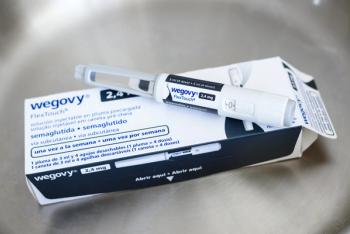
They widen the options, but they trade one burden for another. The FDA approved an oral formulation of semaglutide for obesity (Wegovy pill) in December 2025 and
That makes patient preference part of the prescribing decision. At Shields’ partner sites, pharmacists learn each patient's preferences on the first call, Donovan said in an interview with AJMC. Some patients do not want injections or have difficulty with them, while others would rather take a weekly shot than a daily pill. Patients who travel often may also weigh whether a medication needs refrigeration. The goal, she said, is to start patients on the medication they will take consistently.
The evidence points to adherence as the variable that decides whether GLP-1 RA spending produces durable results. Patients who stop tend to lose much of their benefit; restarting is more likely after weight has returned, and cash-pay fills never reach a plan's claims data. Coverage that ends at the prescription leaves plans paying for initiation, and sometimes reinitiation, without the outcomes that justified the benefit.
Plans weighing adherence programs can start by agreeing on definitions: which PDC threshold and which allowable gap they will use, and how they will account for patients who move between insured and cash-pay channels. From there, the questions for any vendor or health system partner are concrete. Who contacts the patient before the first fill and again during titration? Does that person have access to the prescriber and the medical record, and does the program report 12-month persistence rather than adherence alone?
References