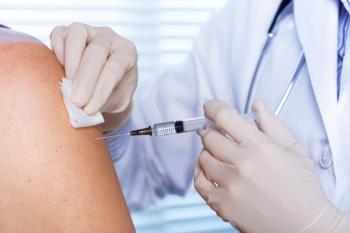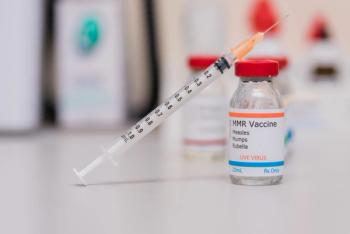
The Franklin County death is under state review as Pennsylvania's measles outbreak passed 1100 cases and 219 hospitalizations.
New York City health officials confirmed a 5th fatality in the Upper East Side Legionnaires' disease outbreak.
A fifth person has died in the Legionnaires' disease outbreak on Manhattan's Upper East Side, New York City health officials announced Tuesday night, as the cluster has sickened at least 82 people over the past month and the source of the contamination remains unidentified.1 The outbreak, first reported in early July and previously
The New York City Health Department confirmed Legionella bacteria in 34 cooling towers across 33 buildings, all of which are undergoing cleaning, and said no new patients have come forward with symptoms in the past 10 days.1 Citywide, 82 cooling towers in 80 buildings are being cleaned and disinfected as part of the broader response.
Of those sickened in the outbreak, 8 patients remain hospitalized, while 56 others have been discharged after hospital stays. That case burden marks a substantial rise from the 60 total cases and 15 hospitalizations AJMC reported in mid-July, when the health department was still describing daily new-case counts as declining.2
Legionnaires' disease is a treatable form of pneumonia that nonetheless kills about 10% of patients, according to the CDC; it is caused by Legionella bacteria that thrive in warm water systems such as cooling towers and hot tubs and spreads through inhalation of contaminated water droplets rather than person to person.1 New York City Health Commissioner Alister F. Martin, MD, said the department's swift response after the first 2 confirmed cases "saved lives” and that the ongoing investigation will inform updated prevention policies.
Following a 2025 Legionnaires' outbreak in Harlem that killed 7 people and sickened more than 100, city leaders authorized the health department to hire 23 additional Legionella-focused water ecologists and supervisors, bringing the intended staff total to 56.¹ As of this week, however, actual staffing stood at 35, with 14 more in a monthslong training pipeline and 7 positions still unfilled. Even with the staffing gap, the department reported conducting nearly 1600 cooling tower inspections in the first 6 months of 2026, a 35% increase over the same period last year.
That this is the second deadly Legionnaires' cluster to strike New York City in as many years—following the Harlem outbreak that killed 7 people in 2025—suggests the city's current regulatory and inspection framework. The persistent staffing shortfall at the health department, even after funding was approved specifically in response to the last outbreak, points to a systemic bottleneck that outpaces the pace of institutional reform.
As investigators continue searching for the source of contamination and the city works through its backlog of cooling tower remediation, the outbreak stands as a reminder that aging urban infrastructure, warming summer temperatures, and uneven compliance among building owners can combine to produce recurring public health emergencies.
References