

Opinion|Videos|October 9, 2024
Impact of Friedreich Ataxia on Quality of Life
Author(s)Sub Subramony, M.D.
Sub Subramony, M.D., discusses how the progression of patients' conditions often leads to a decline in quality of life and functional capabilities, highlighting key clinical indicators that necessitate the adoption of mobility aids.
Advertisement
Episodes in this series

Video content above is prompted by the following:
Can you shed light on the trajectory of patients’ quality of life, functional capabilities, and overall well-being as the condition advances, and how do you typically discern indications in clinical settings that signal a decline in ambulation necessitating the adoption of mobility aids?
Advertisement
Related to this article

Full INTerpath-001 results show the individualized mRNA therapy plus pembrolizumab reduced recurrence risk in resected stage IIB-IV melanoma.

Kidney Week 2026 abstracts show that AMKD progresses quickly in routine practice, with or without diabetes, despite background CKD therapy.
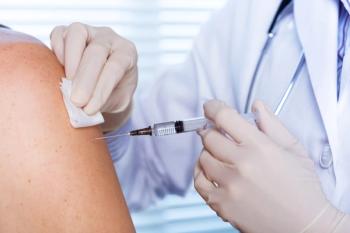
Insurance barriers were the top reason 4 in 10 people prescribed long-acting PrEP at a Missouri clinic never received it, an IDWeek 2026 poster found.

A retrospective study suggests strength exercise may be a safer option than endurance exercise for some people with ACM.

Infant flu protection from maternal vaccination varied by timing, while pediatric vaccination fell to 49.4%, experts report at IDWeek 2026.

The NCCN’s latest esophageal/EGJ guidance raises durvalumab plus FLOT to a category 2A recommendation for PD-L1–negative, diffuse-type disease.

Legal and clinical experts examined the US medical aid in dying framework, its limits, and ethical debates.

The pilot pairs grocery stipends and community health worker support with members who have unmanaged diabetes and unmet social needs.
Advertisement
Advertisement
Trending on AJMC
1
Bepirovirsen Approval Offers New Option for Chronic HBV Treatment
2
Inhaled Amikacin Raises Culture Conversion in New MAC Lung Disease
3
Bronchiectasis GWAS Highlights Candidate Targets Shared With COPD
4
Uninsured Rate Rises to 11.2% as Coverage Erodes Before Medicaid Cuts
5