

Opinion|Videos|August 21, 2024
Managing Adverse Events in Novel Friedreich’s Ataxia Therapy
A key opinion leader outlines common adverse events associated with omaveloxolone treatment in Friedreich's ataxia patients and describes strategies used to manage or minimize these adverse effects.
Advertisement
Episodes in this series

- What adverse events are typically encountered with omaveloxolone, what strategies do you employ to mitigate or address them effectively and under what circumstances should omaveloxolone be discontinued, if at all?
Advertisement
Related to this article

Insmed launches once-daily brensocatib in Japan, the country's only approved treatment for noncystic fibrosis bronchiectasis.

Cross-ancestry GWAS of more than 1.8 million people flags SERPINA1, SMAD3, and other bronchiectasis targets shared with COPD and chronic bronchitis.

The FDA approved bepirovirsen, the first antisense oligonucleotide for chronic hepatitis B, offering a new treatment with functional cure potential.
ALIS added to azithromycin and ethambutol raised culture conversion in new MAC lung disease, with rare resistance, in an ENCORE analysis at IDWeek 2026.

Insmed’s once-daily TPIP prodrug shows sustained lung vasodilation in PAH and PH-ILD, improving walk distance and other key measures.
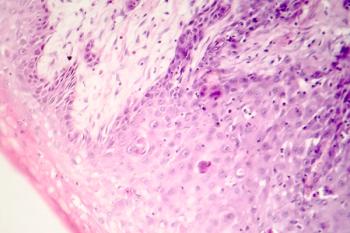
Cosibelimab received an NCCN Category 2A preferred designation for locally advanced CSCC, supported by durable responses and low immune toxicity.

ASPEN links green sputum to neutrophils and exacerbations; brensocatib (DPP1) lowers purulence, while meta-analysis supports fewer flare-ups in bronchiectasis.

Experts at CHEST 2026 urge pulmonologists to keep lung cancer in mind for younger patients who never smoked, to order screening and biomarker testing themselves, and to advocate for patients' access to care.
Advertisement
Advertisement
Trending on AJMC
1
Bepirovirsen Approval Offers New Option for Chronic HBV Treatment
2
Inhaled Amikacin Raises Culture Conversion in New MAC Lung Disease
3
Bronchiectasis GWAS Highlights Candidate Targets Shared With COPD
4
Uninsured Rate Rises to 11.2% as Coverage Erodes Before Medicaid Cuts
5