
Commentary|Videos|July 15, 2026
Leah Szumita, MSN: Nurse Navigators Widen Access to Clinical Trials
Author(s)Maggie L. Shaw, Leah Szumita, MSN
Fact checked by: Giuliana Grossi
The senior director of the Clinical Trial Support Center at Blood Cancer United explains how nurse navigators help patients reach a 20% trial enrollment rate.
Advertisement
Leah Szumita, MSN, has spent her career learning firsthand what patients need most during a health crisis: clarity, support, and someone in their corner. As senior director of the Clinical Trial Support Center (CTSC) at Blood Cancer United, she now leads a team dedicated to closing the gap between patients and the clinical trials that could change their outcomes.
The CTSC began in 2016 as a single part-time nurse navigator role, created after the organization noticed a growing number of calls to its information line from patients confused about clinical trials. Eight years later, the program has grown into a team of 13 nurse navigators who help patients, families, and even health care teams identify and access trials at no
What sets the CTSC apart, Szumita explains, is its personalized, nurse-led model. Each patient is paired with a dedicated navigator for as long as needed; sometimes weeks, often months, occasionally years. Navigators conduct comprehensive clinical, educational, and psychosocial assessments to understand not just a patient’s diagnosis and biomarkers, but their goals, preferences, and real-world barriers to participation. The result is a curated, easy-to-understand list of relevant trials rather than an overwhelming database dump, always intended to support—not replace—conversations with a patient’s existing care team.
Behind the scenes, navigators do extensive detective work: verifying
That labor pays off. Last fiscal year, the CTSC’s clinical trial enrollment rate for eligible patients reached 20%, far above the national average of 5% to 7% for adult cancer clinical trials. Szumita notes it typically takes at least 22 navigator interactions per patient to achieve enrollment, each one, she says, representing a potential crack in the road that patients might otherwise fall through on their own. For Szumita, that math underscores exactly why the work matters: without a dedicated guide, too many patients simply never make it to a trial that could offer them hope.
Advertisement
Related to this article
These phase 3 EXCALIBER-RRMM findings build on earlier MRD-negative complete response results supporting FDA approval of the iberdomide-based regimen.
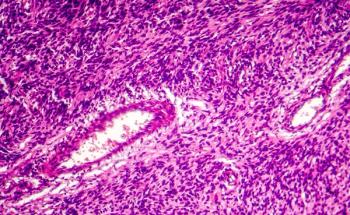
Inconsistent definitions limit pathological response as a soft tissue sarcoma marker, according to a narrative review.
Using baseline samples from 177 patients in the VISION/HO141 trial, researchers built a functional prognostic model for CLL that outperformed the CLL-IPI.
The expanded indication rests on evidence extrapolated from carcinoma in situ, a new FDA approach to closely related forms of bladder cancer.

MedHaul’s platform streamlines nonemergency medical transportation, boosting on-time oncology visits, reducing costs, and helping patients reach critical care across underserved regions.

This analysis in RR MCL shows CAR T-cell therapy (brexucabtagene) yields higher complete responses vs bispecific antibodies; durability remains unclear.
Advertisement
Advertisement
Trending on AJMC
1
5 Things to Know About the One Big Beautiful Bill Act
2
Coroner Reports Pennsylvania's Sixth Measles-Associated Death
3
Medicaid Obesity GLP-1 Coverage May Offset Some Diabetes-Labeled Use
4
FAQ: How Payers Can Close HIV Prevention and PrEP Access Gaps
5