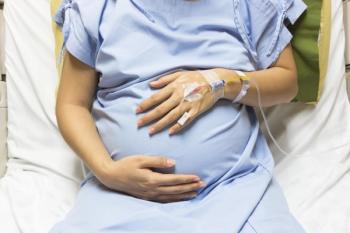
Birth centers are unavailable in 10 states, and 39% of birth center births are self-pay, as licensing and Medicaid pay limit access, a report finds.
Reflex molecular testing and nurse navigation cut delays in lung cancer care, helping more patients get targeted results before first-line therapy, says Christopher D'Avella, MD.
Rates of broad molecular profiling for patients with newly diagnosed advanced
In an interview at The American Journal of Managed Care®
Breakdowns often occur early in the diagnostic process, particularly depending on who performs the biopsy and whether molecular testing is automatically initiated. In cases where testing is not reflexively ordered, additional steps are required for a medical oncologist to request testing, increasing the risk of delays. For patients with symptomatic lung cancer, these delays can complicate timely treatment decisions.
“The goal is that every patient has testing completed before seeing a medical oncologist,” D’Avella explained, underscoring that treatment decisions should be informed by molecular results at the outset.
Variation across care settings also contributes to disparities. Academic centers are more likely to have standardized reflex testing protocols, while community settings may lack the same infrastructure, resources, or multidisciplinary coordination. D’Avella pointed to differences in expertise, availability of nurse navigators, and coordination among care teams as key factors influencing whether testing is completed.
He highlighted reflex testing as the most effective strategy to close these gaps. At academic institutions like the University of Pennsylvania, in-house reflex testing protocols can deliver results within 7 to 10 days, minimizing delays. Complementary strategies—such as nurse navigation and coordinated multidisciplinary care involving surgeons, pulmonologists, and pathologists—further streamline the process.