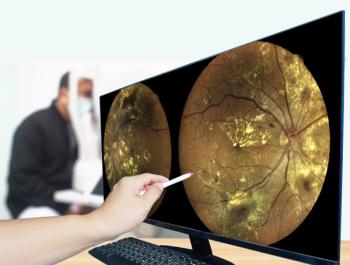
The meeting covered several topics in eye care, including how artificial intelligence (AI) can play a part in eye care.
Todd Brown, MD, PhD, explains key considerations for using GLP‑1 drugs in patients with HIV, including titration tips, surgery precautions, and bone/muscle monitoring.
The therapeutic landscape for glucagon-like peptide-1 receptor agonists (GLP-1 RAs) has expanded rapidly, moving beyond glycemic control to address systemic metabolic dysfunction. However, for clinicians managing the intersection of
To bridge the gap between clinical exuberance and evidence-based practice, Todd Brown, MD, PhD, an endocrinologist and clinical investigator at Johns Hopkins University, sat down at the
Brown noted that although current data suggest GLP-1 RAs are as effective in the population living with HIV as in the general public, their implementation requires specific vigilance:
Regarding drug–drug interactions (DDIs), current peptide-based GLP-1 RAs do not appear to utilize the CYP3A4 pathways common to many antiretroviral regimens. However, Brown cautioned that the imminent arrival of small-molecule, oral GLP-1 RAs will necessitate a re-evaluation of metabolic pathways and potential interactions with protease inhibitors or nonnucleoside reverse transcriptase inhibitors.
Looking forward, Brown envisions a paradigm shift where these agents are categorized not merely as weight-loss tools, but as essential therapies for weight-related comorbidities, including