
Commentary|Videos|October 7, 2026
New Data Spur Reconsidering Transplant in Younger ALL Patients
Author(s)Emily K. Curran, MD, Maggie L. Shaw
Transplant is no longer the default for young, fit patients with a good donor if they achieve MRD-negative status, says Emily K. Curran, MD
Advertisement
The treatment of
Curran said that many patients and their loved one arrive at their appointments believing that in order to achieve long-term remission, treatment needs to be topline aggressive, which means a
She paired this message with reassurance about treatment pathways to consider in the event a patient relapses. Treatments for relapsed disease are “way better” than they were before, she said, and patients can once again achieve remission, at which point transplant can be discussed. In her experience, most of her patients do not need to undergo transplant and can live long lives.
She also addressed open questions on T-cell ALL, highlighting how data from pediatric studies hint that adding bortezomib or nelarabine to pediatric-inspired regimens may improve outcomes in T-cell ALL. Confirming this is difficult because ALL is a rare disease, and T-cell ALL accounts for only about a third of those cases. The best way to answer this question is through national or international collaboration that pools resources and patients. In closing, she noted that this kind of effort is under discussion in cooperative groups and centers are working together to address this exact question.
Advertisement
Related to this article

Phase 3 wins for ianalumab and dazodalibep bring targeted therapies closer for Sjögren disease as patients face diagnostic delays and high costs.

Lean MASLD shows milder histology than overweight and obese MASLD but similar mortality and event risk, with fibrosis tied to prognosis.

Hepatitis reports after vaccination were more often serious in children, but the data lack dose counts and cannot show vaccine-specific risk.

The Autus Size-Adjustable Valve, which can be expanded as children grow, may reduce the need for repeat open-heart surgeries for congenital defects.
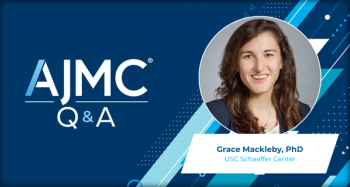
MA-to-MA switching among dually eligible beneficiaries rose sharply from 2016 to 2022, AJMC study author Grace Mackleby, PhD, found.
This moves the noncovalent BTK inhibitor into the first-line setting for certain adults with chronic lymphocytic leukemia or small lymphocytic lymphoma.

Build scalable obesity care with multidisciplinary teams, clear triage, and monitoring protocols; address GLP-1 gaps, Medicare access and price barriers, including oral GLP-1.

CMS is adding value-based care (VBC) risk faster than many providers can build the data and tech capacity they need to succeed.
Advertisement
Advertisement
Trending on AJMC
1
Perspectives on Health-Related Social Needs for Medicare Advantage Beneficiaries
2
Closing Screening Gaps for Cardio-Kidney-Metabolic Disease
3
Up to 400 mg of Caffeine Daily Is Safe for Most Adults, AHA Says
4
Postvaccine Hepatitis Reports More Often Serious in Children vs Adults
5