
Opinion|Videos|February 20, 2026
Positioning Emerging Targeted Therapies in the Evolving IgA Nephropathy Treatment Paradigm
Author(s)Gerald Appel, MD , Luis Sanchez Russo, MD
Learn how targeted-release budesonide treats IgA nephropathy, cutting proteinuria and slowing GFR decline with fewer steroid side effects.
Advertisement
Episodes in this series
This episode, titled Positioning Emerging Targeted Therapies in the Evolving IgA Nephropathy Treatment Paradigm, features nephrology experts discussing the following critical question:
When are you utilizing endothelin antagonists, complement inhibitors and novel therapies like BAFF/APRIL blockers in your clinical practice?
Led by Dr. Gerald Appel, Dr. Luis Sanchez Russo examined endothelin receptor antagonists, which are often considered after optimization of supportive care, particularly in patients with persistent proteinuria and evidence of ongoing nephron loss despite ACEi or ARB therapy and SGLT2 inhibition. These agents primarily address downstream pathways of kidney injury by reducing intraglomerular pressure and fibrosis, making them well suited for patients with progressive chronic disease features. Complement inhibitors are typically utilized in patients with higher-risk IgA nephropathy who demonstrate signs of active immune-mediated injury, especially when biopsy or clinical features suggest complement pathway activation. Their use is often guided by disease severity, rate of progression, and lack of adequate response to conventional or supportive therapies. Novel therapies targeting BAFF and APRIL are increasingly being considered earlier in the treatment algorithm for patients with persistent proteinuria and immun
Throughout the conversation, the experts provide a comprehensive reflection on the field and the factors that may shape how clinicians approach care moving forward.
In the next episode, Assessing Long-Term Renal Outcomes and Kidney Failure Risk Reduction in IgA Nephropathy, panelists will continue their discussion on IgA nephropathy and highlight the impact of emerging and established therapies on long-term progression to kidney failure and the need for dialysis, with a focus on outcome-driven evidence. It also reviews insights from studies such as RADAR and Kaiser Permanente that inform KDIGO-aligned kidney function thresholds and treatment timing.
Advertisement
Related to this article
Jennifer Flythe, MD, MPH, discusses individualizing dialysis volume management and why guideline-directed therapy use lags in advanced CKD.

Povetacicept reduced proteinuria by 52% vs 4.3% with placebo at week 36 in adults with IgA nephropathy in the phase 3 RAINIER trial’s interim analysis.
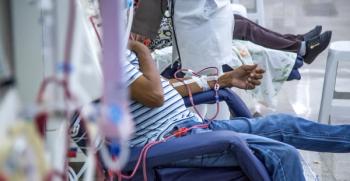
Outpatient dialysis for unfunded patients with ESKD cut ED reliance and costs, while church-based CKD screening improved blood pressure.

Asian expert consensus updates mantle cell lymphoma treatment guidelines, highlighting uneven BTK inhibitor, ibrutinib and CAR T-cell access across Asia.

At ASN Kidney Week 2026, nephrologists said value-based kidney models improved dialysis starts, but payment cuts and MA growth are pushing practices out.

At IDWeek 2026, IDSA and HIVMA leaders and clinician advocates outline how stories, relationships, and bipartisan outreach shape ID and HIV policy.

Insulin icodec-abae becomes the first once-weekly basal insulin cleared for children 10 years and older with type 2 diabetes.

At IDWeek 2026, Atul Gawande, MD, MPH, said USAID cuts are costing lives but that the field is "not back at square one."
Advertisement
Advertisement
Trending on AJMC
1
Merck, Moderna Cancer Vaccine Cuts Melanoma Recurrence Risk by 42%
2
Former USAID Health Chief Says Aid Cuts Are Costing Children's Lives
3
How ID, HIV Clinicians Can Influence Policy in an Election Year
4
It’s the Best of Times and Worst of Times for Cancer Care in Tampa
5