The editor in chief of Evidence-Based Oncology, who was recently named medical director of Precision Medicine for The US Oncology Network, discussed milestones met and those still to be achieved.
Texas Oncology boosts precision medicine with near-universal biomarker testing, quality measurement, and genomic insights—advancing health equity through streamlined workflows and coverage. This commentary will appear in the June issue of Evidence-Based Oncology.
Precision medicine has long promised to transform oncology care, yet one of the most persistent gaps in community practice has been inconsistent biomarker testing for patients with advanced cancers. Despite clear evidence that genomic insights can guide targeted therapies and improve outcomes, real-world adoption has lagged due to operational, educational, and systemic barriers. This lack of testing creates further disparities in an already disparate health care environment. These disparities are not theoretical; they are visible every day in clinics across the country, including Texas, where I practice.
As a medical director for Texas Oncology and later as director of quality services for the largest community oncology practice in the world, I saw firsthand that one of the most addressable gaps in care was inconsistent biomarker testing. By 2022, less than half of eligible patients with advanced cancers were receiving biomarker testing. This meant missed opportunities for targeted therapies and clinical trial enrollment.1
I decided to change that. My goal was straightforward but ambitious: Ensure that every patient with advanced cancer receives comprehensive biomarker testing. We launched the Precision Medicine Quality Initiative (PMQI): every eligible patient with an advanced solid tumor should receive a broad panel next-generation sequencing (NGS) test. I encouraged the use of liquid biopsy if there was not enough tissue. As director of quality, my mission was consistency: Whether a patient walked into a clinic in Dallas or a rural site near the Mexico border, the standard had to be the same.
Achieving this required more than intent; it required infrastructure. One of the biggest barriers to testing adoption is complexity. Ordering NGS can be time-consuming, expensive, and confusing. To solve this, we utilized Trapelo, a decision-support platform integrated directly into the iKnowMed electronic medical record. This transformed the ordering process into a guided, step-by-step workflow based on disease type, stage, and pathology, making it intuitive for physicians. By 2023, our team presented data at the American Society of Clinical Oncology (ASCO) Quality Care Symposium that showed testing rates increased 150% in the 14 months after the launch of PMQI in January 2022.2
Equally critical was building a centralized precision medicine support system. Once a physician places an order, our precision medicine team handles logistics, which includes coordinating specimens, selecting laboratories, and ensuring timely processing. Results are returned seamlessly to the workflow, removing operational friction that often discourages testing. Additionally, an alert system was implemented: If a patient was noted to be missing NGS testing, pharmacy staff alerted the physician and facilitated ordering the test. Lastly, if the physician refused testing, a “reason for refusal” had to be documented, and I had a discussion with the physician to reiterate the importance of testing.
We also invested heavily in physician education. Through peer engagement, data transparency, and continuous feedback, we reinforced a cultural shift: Biomarker testing is not optional; it is foundational. Pharmacy teams and precision medicine liaisons played key roles in connecting testing to treatment decisions, ensuring that results translated into action. The support from leadership, at both the practice and precision medicine levels, has been paramount to the success of this initiative.
Policy changes further accelerated progress. As president of the Texas Society of Clinical Oncology, I lobbied for the “Biomarker Bill” (SB989), a Texas law enacted in September 2023 requiring insurance coverage for biomarker testing.3 This removed one of the most burdensome barriers: reimbursement. Previously, physicians spent countless hours justifying testing through letters of medical necessity. Eliminating this friction allowed clinicians to focus on patient care.
The results have been remarkable. Today, we are approaching near-universal biomarker testing for eligible patients with advanced cancers, with testing rates close to 100%. In the community oncology setting, where variability has historically been the norm, this level of consistency is virtually unheard of. More importantly, this translates into more patients being matched to appropriate targeted therapies, clinical trials, and emerging treatment options.
This initiative demonstrates that closing the biomarker testing gap is not a question of possibility, but of execution. With the right infrastructure, education, and accountability, community oncology can lead, not lag, in adopting precision medicine.
As oncology continues to evolve, universal biomarker testing must become foundational, not aspirational. Our experience at Texas Oncology offers a blueprint for achieving this at scale, and underscores a simple yet powerful principle: When systems are aligned, patients benefit.
The next challenge is not just sustaining these gains, but building on them, integrating more advanced diagnostics, incorporating real-world evidence, and ensuring that every patient has access to the full promise of precision oncology.
Author Information
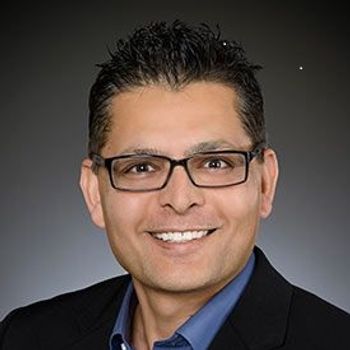
Sucharu “Chris” Prakash, MD, is the editor in chief of Evidence-Based Oncology™. He is a member of the board of directors of Texas Oncology and serves as the practice’s director of quality services and regional medical director for the Paris, Mount Pleasant, and Greenville areas. A board member for the Texas Society of Clinical Oncology, Prakash is a member of the ASCO Rural Cancer Care Task Force and a member of the US Oncology Breast Cancer Research Committee.
References
5 months ago
The Unfinished Work of Value-Based Cancer Care