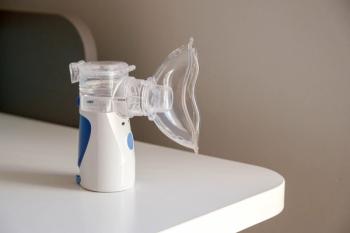
Insmed launches once-daily brensocatib in Japan, the country's only approved treatment for noncystic fibrosis bronchiectasis.
More than one-quarter of US adults have a risk factor for severe RSV infection, but their eligibility for the RSV vaccine depends on their age.
A new study has found that a significant percentage of adults in the United States have at least one risk factor for severe respiratory syncytial virus (RSV), even as eligibility for the
The findings suggest more work is needed to improve vaccine awareness and access among people at risk of developing severe RSV infection. The report was
In most cases, RSV symptoms are limited to the upper respiratory tract and resolve on their own within 2 weeks. However, the infection can make its way to the lower respiratory tract and lead to severe disease, particularly in patients with underlying medical conditions, noted corresponding author Emily K. Horn, MSc, of the drugmaker GSK, and colleagues. A
Current US regulations specifically promote vaccination in elderly and high-risk patients.1 The FDA has approved RSV vaccines for all adults 60 years of age and older and adults under the age of 60 who are at a heightened risk of severe disease. The CDC’s Advisory Committee on Immunization Practices recommends the vaccine for all adults 75 years of age and older and for adults between ages 50 and 74 who are at risk for RSV with lower respiratory tract disease.
“However, this risk-based recommendation does not include younger at-risk adults aged < 50 years, and it limits access to RSV vaccination among those aged 50-74 years who remain undiagnosed with medical conditions associated with increased risk of severe RSV disease,” Horn and colleagues noted.
Even among those eligible for vaccination, uptake remains low. An
Horn and colleagues wanted to better understand the prevalence of severe RSV risk factors, as well as the age at which patients are diagnosed with common risk factors, which include coronary heart disease, diabetes, renal disease, and liver disease, among others.1
They turned to the National Health and Nutrition Examination Survey data for 2011 through 2020. After weighting the data, the investigators had a projected sample of more than 233 million US adults.
The investigators found that 28.0% of adults had at least one diagnosed risk factor for severe RSV. That includes 12.8% of the population who had at least one pulmonary risk factor, 9.2% of the population who had at least one cardiovascular risk factor, and 14.1% who had at least one endocrine or metabolic risk factor. They also identified undiagnosed diabetes in 3.7% of adults and undiagnosed renal disease in 12.5% of adults.
Among those with a diagnosed risk factor, 60% had the risk factor diagnosed before the age of 50. The authors found that adults ages 50 or above, non-Hispanic Black adults, and those with lower poverty-to-income ratios had higher rates of risk factors.
They said their analysis shows that existing recommendations leave out a significant proportion of the at-risk population.
“Findings from this study underscore the importance of comprehensive RSV vaccine recommendations that allow eligible adults access to vaccination, as well as equitable vaccine implementation programs to protect individuals who are disproportionately at risk of severe RSV disease,” they concluded.
References
1. Horn EK, Singer D, Booth A, Nguyen H, Saiontz-Martinez C, Berger A. Prevalence and age at diagnosis of risk factors for severe respiratory syncytial virus disease among US adults: an analysis of 2011-2020 NHANES data. Influenza Other Respir Viruses. 2025;19(12):e70181. doi:10.1111/irv.70181
2. Falsey AR, Hennessey PA, Formica MA, Cox C, Walsh EE. Respiratory syncytial virus infection in elderly and high-risk adults. N Engl J Med. 2005;352(17):1749-1759. doi:10.1056/NEJMoa043951
3. La EM, McGuiness CB, Singer D, Yasuda M, Chen CC. RSV vaccination uptake among adults aged 60 years and older in the United States during the 2023-2025 vaccination seasons. Hum Vaccin Immunother. 2025;21(1):2535755. doi:10.1080/21645515.2025.2535755