Nevena Vicic, MSc, discusses first real-world data showing mRNA-1283 protected adults 65 and older from COVID-19 hospitalization in 2025-2026.
Naima T. Joseph, MD, MPH, discusses why measles immunity screening in pregnancy is debated and how vaccination and counseling help.
Captions are auto-generated.
Assessing at-risk populations for measles on a national level remains a challenge amid rising vaccine hesitancy and measles infections, particularly for perinatal management.
Leaders at
The CDC offers frameworks for understanding who should be vaccinated, she noted, “but making sure that we disseminate vaccination as a primary prevention tool across our communities” is key.
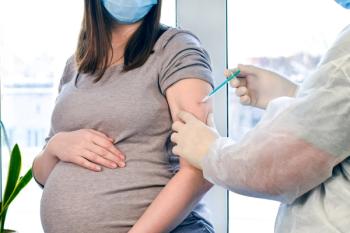
Another preventive measure is screening, especially for pregnant women, who should not receive the measles, mumps, and rubella (MMR) vaccine during pregnancy because it is a live vaccine. Recommendations to screen for rubella in pregnancy were originally developed because the rubella component of the MMR vaccine protects against congenital rubella syndrome, which is associated with severe heart defects, Joseph explained. Screening allows clinicians to identify women who need vaccination to protect future infants.
“And so for now, the question has been whether or not we should screen pregnant people for measles immunity,” Joseph said.
But immunity is multilevel, and the body produces immunity in many ways, not all of which can be detected with modern technologies. Screening currently starts with asking about any history of measles and reviewing vaccine records, while screening for actual measles immunity “is still a matter of debate,” Joseph said.
Many clinicians in outbreak areas are screening so patients understand their individual risk and how quickly to seek preventive treatment if exposed, which Joseph said is appropriate when following local jurisdiction guidance. At a national level, however, the data remain unclear, especially because immunity persists after vaccination, she said.
“And it’s not clear whether or not screening during pregnancy as an option confers any benefit against measles,” she explained. “…I think what we do as far as prevention is really just counseling patients around exposure prevention, handwashing, masking, understanding your levels in your community, understanding exposures through your daycare and things like that, and really protecting yourself through alternative measures.”