
Conference Coverage
Latest Content

Jun 14, 2026 | Publication
Paul Richardson, MD, Calls Mezigdomide “CAR T in a Pill” for Patients With R/R Multiple Myeloma

EHA 2026 Late Breakers Deliver Practice-Shifting Phase 3 Data and Novel CAR T Approaches Across Hematology
Jun 14, 2026

Global Hematology Trials Ensure Research Stays Applicable, Flexible, Patient-Centered
Jun 13, 2026

MRD-Guided CLL Treatment Duration: Personalization or Malpractice?
Jun 13, 2026
Real-World Resmetirom Gains in MASH: Naim Alkhouri, MD
Jun 12, 2026





Advertisement
Shorts

0:52
EHA 2026 Highlights Include Advances in Pediatric ALL, Immunotherapy: Shannon L. Maude, MD, PhD, and Martin Schrappe, MD, PhD
2 days ago
by
Brooke McCormick(+2 more)

0:41
The Fundamental Immune Paradox of Cancer Therapy
3 days ago
by
Muhammad Bilal Abid, MD
0:34
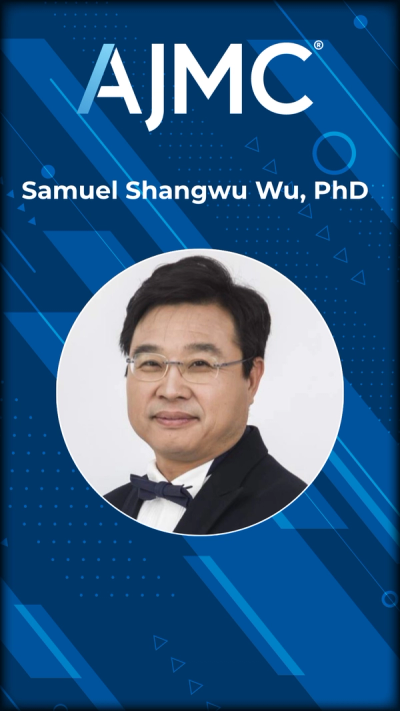
Improving Clinical Thresholds for Patient Health Outcomes: Samuel Shangwu Wu, PhD
5 days ago
by
Giuliana Grossi(+1 more)
0:40
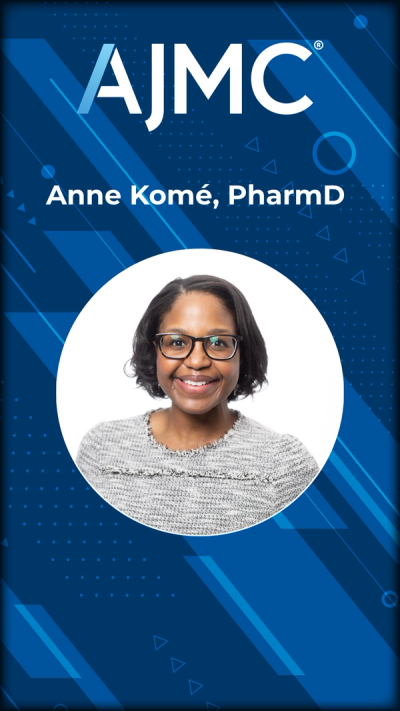
Can Oral Ketones Treat Diabetic Heart Failure?: Anne Komé, PharmD
5 days ago
by
Giuliana Grossi(+1 more)
1:01
Better Early-Onset CRC Survivorship Care Hinges on Cardiometabolic Risk Understanding: Meng-Han Tsai, PhD
6 days ago
by
Brooke McCormick(+1 more)
0:33
Why Visceral Fat Loss Matters More Than Muscle: Lee Kaplan, MD, PhD
6 days ago
by
Giuliana Grossi(+1 more)
0:33
Inhaled Insulin a Game Changer for Kids With Needle Phobia
11 days ago
by
Laura Joszt, MA(+1 more)
0:36
The Value of Vaccine Co-Administration: Jamie R. Felzer, MD
12 days ago
by
Sabrina McCrear(+1 more)
0:54
3 Common Vaccine Myths Debunked by an Expert: Jamie R. Felzer, MD
13 days ago
by
Sabrina McCrear(+1 more)
1:28
Active vs Passive Outreach for Hepatitis B Reengagement: Helen Nde, MPH
16 days ago
by
Laura Joszt, MA(+1 more)
A Conference You Don't Want To Miss
Two days of strategy, insights, and innovation in patient-centered oncology care. September 24–25.

Innovation Starts Here
We’re now accepting applications for OncoVenture—submit your oncology innovation.
Center on Health Equity & Access
Start seeing what truly shapes access and learn how you can redefine the landscape.

Free Webinar: The Economics of Cell and Gene Therapy
Hear expert perspectives on policy and market changes that could help patients access innovative CGT.
Stay Ahead of Clinical and Policy Change
AJMC's e-newsletter features payer-focused insights across priority disease areas.
Podcasts
Center on Health Equity & Access





Advertisement
All News
Advertisement

Although smaller studies have highlighted CAR T differences in access and outcomes, new research shows the full extent of the issue.
Nancy Lin, MD, explores MMAI validation needs, turnaround advantages, equity implications, and how payers should approach AI-based diagnostics.
ACA cancellations rise; HBV re-engagement varies by outreach; rural US has 44% fewer clinicians; diabetes and alopecia need custom care.

The conference, set to take place in Baltimore, Maryland, will feature 4 days of sessions focusing on sleep medicine and how it affects overall health.
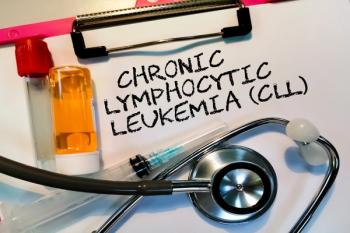
Final results of the CLL14 study reveal the efficacy of 1-year venetoclax-obinutuzumab therapy for chronic lymphocytic leukemia.
Rilvegostomig plus T-DXd achieved 57% pCR in HR+/immune+ HER2-negative breast cancer in I-SPY 2.2, potentially enabling surgery without chemotherapy.

The bispecific T-cell engager could fulfill an unmet need among patients with mantle cell lymphoma who progress after treatment with a BTK inhibitor.

Organized screening in Hong Kong narrowed socioeconomic disparities over 9 years, although suboptimal uptake persists in key groups.
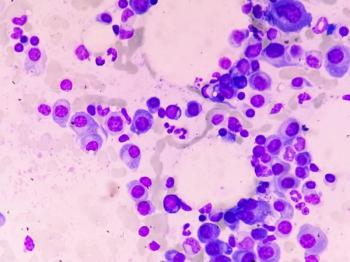
Longer patient survival times require a shift toward earlier surrogate end points, with measurable residual disease (MRD) providing robust evidence of its utility for accelerating access to myeloma treatment.

Distrust, misinformation, and conflict complicate Ebola response efforts in the DRC, highlighting broader challenges to public health trust.
Advertisement
Advertisement
Trending on AJMC
1
EHA 2026 Late Breakers Deliver Practice-Shifting Phase 3 Data and Novel CAR T Approaches Across Hematology
2
MRD-Guided CLL Treatment Duration: Personalization or Malpractice?
3
Teclistamab Outperforms Len/Dex in High-Risk Smoldering Myeloma With Higher CR Rate, PFS: Omar Nadeem, MD
4
Tec-Dara Demonstrates Superior 3-Year PFS vs Standard Therapy in Functional High-Risk Myeloma: Rahul Banerjee, MD
5