

Opinion|Videos|November 27, 2025
Impact of SC Formulations on Pharmacy Operations
Panelists discuss how SC formulations streamline pharmacy workflows and optimize oncology practice efficiency.
Advertisement
Episodes in this series
Panelists discuss how subcutaneous (SC) formulations affect pharmacy operations, workflow, and staffing models in oncology. They note reduced compounding requirements, improved efficiency in drug preparation, and faster administration times. The discussion highlights that successful integration requires collaboration across pharmacy, nursing, and clinic management. SC therapies are recognized as a means of improving capacity and throughput while maintaining quality and safety standards.
Advertisement
Related to this article

Merck has begun the phase 3 ENHANCE-3 trial testing whether ensifentrine added to standard of care prevents COPD exacerbations in high-risk adults.

Non-CF bronchiectasis prevalence rose across commercial, Medicare, and Medicaid plans from 2016 to 2024, while incidence stayed relatively stable.

Shorter telomere length was linked to a usual interstitial pneumonia pattern (UIP) on CT in patients with ILD, per research presented at CHEST 2026.
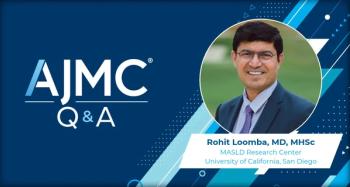
Low awareness that fatty liver can silently progress and that MASH fibrosis is treatable drives missed follow-up testing, says Rohit Loomba, MD.

The FDA approved asundexian (Sunharbo) with antiplatelet therapy to reduce recurrent stroke risk after noncardioembolic stroke or high-risk TIA.

The FDA granted accelerated approval to amivantamab and hyaluronidase for previously treated recurrent or metastatic head and neck cancer.
Advertisement
Advertisement
Trending on AJMC
1
Real-World Cohort Ties JAK Inhibitors in Alopecia Areata to Menstrual Side Effects
2
Phase 3 Trial Tests Ensifentrine for COPD Exacerbation Prevention
3
Tarlatamab Plus Durvalumab Cuts Risk of Death by 58% as First-Line Maintenance in ES-SCLC
4
Trends in Pharmacy Benefit Manager Market Dynamics, 2016-2025
5